
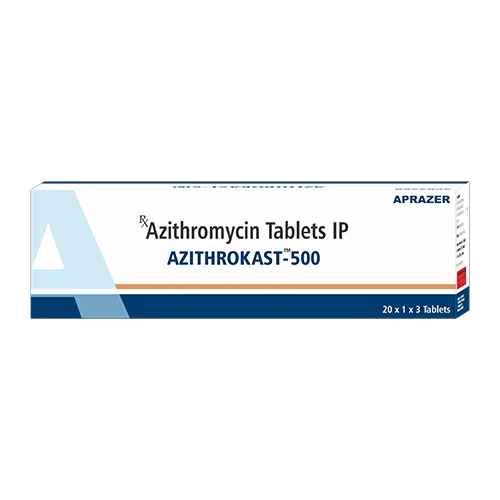
Azithromycin Tablets
Aprazer Healthcare – Leading WHO-GMP certified manufacturer and global exporter of Azithromycin Tablets (Azithrokast). High-quality, reliable, affordable medicine.
Available finished formulation under our brand name AZITHROKAST 500.
View Commercial Product DetailsFormulation Insights
Comprehensive Medical Overview
Azithromycin Tablets
Classification: Macrolide AntibacterialAbout Azithromycin Tablets
Azithromycin is a second-generation broad-spectrum azalide/macrolide antibiotic indicated for acute community-acquired pneumonia, acute bacterial sinusitis, pharyngitis, skin infections, and sexually transmitted infections.Azithromycin Tablets (Azithrokast) Manufactured by Aprazer Healthcare
Azithrokast is formulated and manufactured under strict WHO-GMP compliance, delivering proven bioequivalence, therapeutic efficacy, and clinical reliability globally.Azithromycin
Classification: Macrolide / Azalide Antibiotic
What is Azithromycin?
Azithromycin is a second-generation macrolide antibiotic with an extended broad spectrum of activity against respiratory, dermatological, and genital bacterial pathogens.
Azithrokast, manufactured by Aprazer Healthcare, is available in two international strengths: Azithrokast 500 (Azithromycin 500 mg) and Azithrokast 250 (Azithromycin 250 mg).
Aprazer Healthcare – R&D and Manufacturing Standards
Aprazer Healthcare is accredited under WHO-GMP and EU-GMP quality guidelines. Our formulations department optimizes bioavailability and therapeutic stability to ensure exceptional clinical tolerance.
Clinical Indications
Azithromycin is indicated for:
- Respiratory tract infections (pneumonia, bronchitis, sinusitis, pharyngitis)
- Ear and throat infections (otitis media, tonsillitis)
- Skin and soft tissue infections
- Sexually transmitted infections (STIs, including non-gonococcal urethritis and cervicitis)
- Traveler’s diarrhea
Mechanism of Action
Azithromycin reversibly binds to the 50S ribosomal subunit of susceptible microorganisms, inhibiting transpeptidation and protein synthesis. This halts bacterial replication, allowing host immune mechanisms to eradicate the infection.
Side Effects
Common effects include mild gastrointestinal discomfort, nausea, vomiting, abdominal pain, diarrhea, headache, and transient taste alterations.
Symptoms requiring medical intervention:
- Pounding/irregular heartbeat or chest palpitations (QT prolongation)
- Jaundice (yellowing of skin/eyes) indicating hepatic impairment
- Severe allergic reactions (anaphylaxis, blistering skin rash)
- Persistent watery or bloody diarrhea
- Worsening of myasthenia gravis symptoms
Precautions & Contraindications
- Space from antacids: Aluminum- and magnesium-containing antacids must be spaced at least 2 hours before or after taking Azithromycin.
- Finish the regimen: Missing doses reduces treatment effectiveness and fuels antimicrobial resistance.
- Contraindications: Severe allergy to macrolides or ketolides, or a history of azithromycin-associated cholestatic jaundice/hepatic dysfunction.
Drug Interactions
- QT-prolonging drugs: Concurrent use with antiarrhythmics (amiodarone, sotalol), antipsychotics, hydroxychloroquine/chloroquine, or ondansetron increases arrhythmia risk.
- Ergot alkaloids: Co-administration can cause ergotism and severe peripheral vasospasm.
- Monitored drugs: Blood thinners (warfarin), digoxin, cyclosporine, and nelfinavir require close monitoring.