
Can I Use Pantoprazole (Proton Pump Inhibitors) Long-Term?

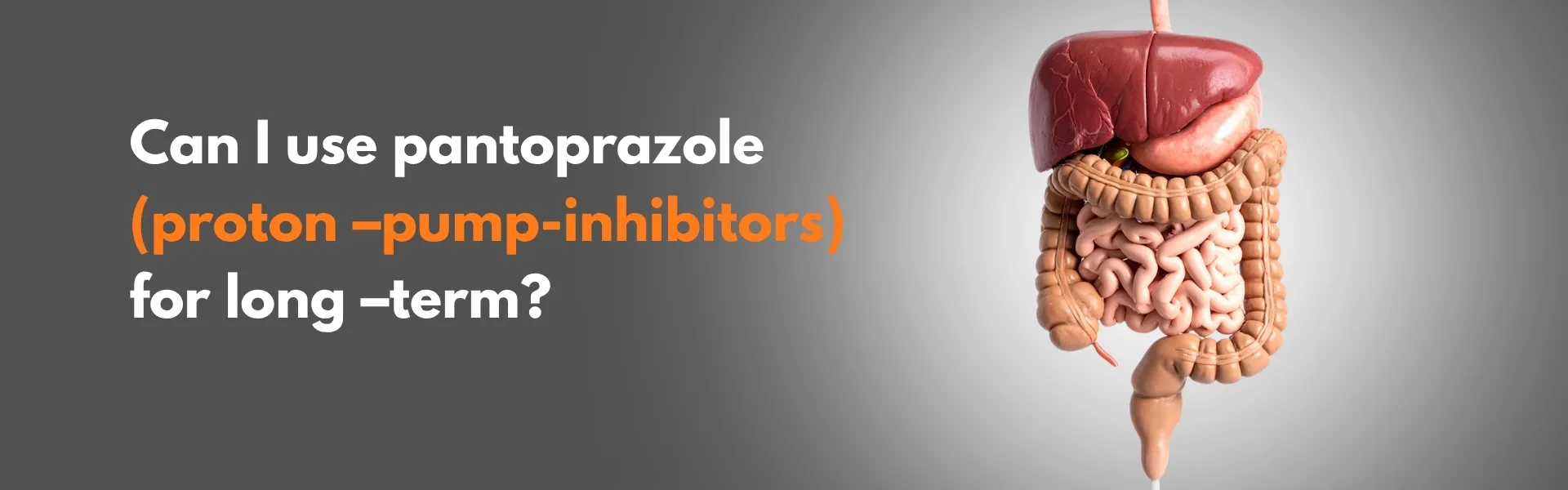
Proton pump inhibitors are commonly available over- the –counter drugs.
These are widely used for quick relief of –
- Heart burn
- Acid-related gastric conditions
Due to easy availability, over-the-counter drugs are mistakenly used for the long term.
What are the commonly available acidity medicines (PPIs)?
- Omeprazole
- Esomeprazole
- Pantoprazole
The widely prescribed PPI combination-
- Eprakast DSR – Esomeprazole ER and Domperidone SR
- Aprapan DSR – Pantoprazole and Domperidone prolonged release capsules
- Aprapan D – Pantoprazole and Domperidone tablets
Aprazer Healthcare, as a gastroenterology medicine manufacturer, manufactures a wide range of gastrointestinal drugs.
Aprazer’s products, marked by their quality, are accepted worldwide.
It manufactures a range of GIT drugs-
- Proton pump inhibitors
- Gastroselective antibiotics
- Hepatoprotective drugs
Proton-pump inhibitors relieve gastric issues. How?
It depletes the acid pump in the stomach.
It inhibits acid secretion.
These are widely used to resolve gastric issues like heartburn and irritation.
When are the acidity medicines used?
These are widely used to relieve symptoms of excess acid.
It is usually prescribed for the short term (2-8 weeks).
It brings symptomatic relief in-
- GERD– It is used to relive heart burn.
- Peptic ulcer disease – Aid to heal gastric /duodenal ulcers by suppressing acid secretion.
- Prophylaxis treatment – It is used to prevent GIT bleeding while using NSAIDs and aspirin.
- Esophagitis: Inflammation in the esophagus.
The risks involved in long-term use of acidity medicines (PPIs)
Regularly using proton–pump inhibitors for more than one year increases the risk of –
- Bone fracture-
It reduces the absorption of calcium, weakening bones.
- Reduces Nutritional absorption
It depletes the acid needed for absorption.
It leads to deficiencies like –
- low vitamin B-12
- low magnesium
- low iron
- Increases the risk of infection-
It lowers the protective acid amounts in the stomach.
It increases vulnerability to infections-
- SIBO
- Clostridioides difficile
- Upper GIT tract infection
- Kidney impairment – It increases the risk of CKD or acute kidney injury.
- Gastric Polyps and Cancer Risks- It can cause hypertrophy of cells in the stomach.
- Rebound hyperacid secretion – Abruptly stopping the medicine can lead to rebound acid secretion.
Conclusion-
One should use PPIs for a short duration for quick relief.
These do not offer a cure to any chronic GIT disorder.
These must be used in low doses.
For long-term use, one must consult a doctor.