
Abdominal Cramp Relief Medicines: Antispasmodic Combinations
Painkillers/muscle relaxant and anxiolytic agents
These are widely used to relax muscles in the gut.
These are significantly used to relieve muscle spasms caused in the GIT, bladder, or the gallbladder.
What are the commonly used Antispasmodic combinations?
- Antispasmodic + Analgesic medicine –
These relax the muscles and reduce spasm.
The painkiller reduces the pain.
It is widely used for abdominal spasm and pain.
Drotaverinee + Paracetamol
Drotaverinee + Mefenamic Acid
- Antispasmodic + Anxiolytic combination –
It is a combination of an anticholinergic with an anti-anxiety or tranquilizing agent.
It lowers the aggravated spasms caused by anxiety.
- Clidinium + Chlordiazepoxide
- Isopropamide + Trifluoperazine
What are the antispasmodic drug uses?
These are widely used to relieve muscle spasm and pain during –
- IBS
- Menstrual pain
- Abdominal colic
- Biliary and renal colic
Antispasmodic drug working –
The antispasmodic drugs work by inhibiting abnormal muscle contractions.
- Anti-muscarinic drugs – They block the cholinergic receptors.
This reduces the excessive muscular contraction.
- Dicyclomine
- Hyoscine butylbromide
- smooth muscle relaxants – These relax the smooth muscles in the gut and the bladder.
They relieve pain and muscle contractions.
- Drotaverine
- Mebeverine
- Calcium channel blockers – These inhibit the calcium channel, causing muscular contraction.
- Pinaverium bromide
- Otilonium bromide
What are the antispasmodic drug side effects?
The common side effects include-
- Dry mouth
- Constipation
- Dizziness
- Lightheadedness
- Drowsiness
- Weakness
- Blurred vision
- Decreased sweating
How do antispasmodic drugs differ from antispastic drugs?
Antispasmodic drugs relax smooth muscles.
It helps relieve smooth muscle contractions.
These are mainly used to control involuntary muscle spasm.
Antispastic drugs are used to relax skeletal muscles.
They are used to relieve back pain.
Aprazer Healthcare – A recognized global drug exporter/ supplier.
Aprazer Healthcare is a pharmaceutical drug manufacturing company.
We are a leading contract drug manufacturer from India.
Manufacturing a global range of antispasmodic combinations, Aprazer Healthcare is an antispasmodic drug exporter.
Leveraging our expertise in manufacturing innovative drug therapies, we manufacture the latest advanced drug combinations.
We are trusted for global exports-
- WHO-GMP compliant manufacturing
- Robust distribution network
- Regulatory expertise
- Quality control and quality assurance
- Transparent communication

Autoimmune Disorders and Treatments
The immune system attacks healthy body parts and their functioning.
What are the types of autoimmune disorders?
Autoimmune diseases can affect any part of the body.
Joints, muscles, skin, or blood vessels.
The autoimmune condition consists of more than 100 types.
The common autoimmune diseases are –
- Rheumatoid arthritis
- Psoriasis
- Type-1 diabetes
- Myasthenia gravis
What are the symptoms of autoimmune disorders?
- Extreme fatigue
- Joint pain
- Muscle pain
- Frequent fever
- Brain fog
- Skin rashes, scaly patches
- Bloating /stomach pain
- Weight gain/loss
- Dry eyes/dry mouth
Who is at risk of developing autoimmune disorders?
- People having viral infections.
- Women are prone to develop autoimmune disorder.
- Family history of autoimmune disorder.
- Exposure to chemicals /toxins
- Smoking tobacco
What are the medicines used in autoimmune disorders?
Pain killers – Simple analgesics are used to relieve pain and inflammation.
- Acetaminophen
- NSAIDs
- COX- inhibitors
Disease-Targeting drugs –
DMARDs, these reduce joint pain and inflammation.
These are used in rheumatoid arthritis /psoriatic arthritis.
- Methotrexate
- Tofacitinib
Corticosteroids –
These are widely used to prevent immune flare.
These relax and calm down the immune response.
They reduce the swelling /pain or the inflammation.
Immunosuppressant –
These drugs work by lowering the white cells.
They suppress immune cell formation.
It calms down the immune activity (overactivity).
- Mycophenolate mofetil
- Azathioprine
What is the cure for autoimmune disease?
Autoimmune diseases do not have a cure.
They can be managed.
The drugs can offer long-term disease-free remission.
The targeted therapies or the biologics.
What is the treatment goal for autoimmune disease?
The treatment is focused on achieving 3 results-
- Achieving Remission-
The symptoms of the disease are completely suppressed.
The inflammation disappears to zero.
- Reversing Immune Malfunction-
It is the reprogramming of the immune system.
It is a novel method of treatment.
- Managing the prognosis-
It is targeting the disease and managing the symptoms.
Type-1 diabetes, Arthritis are managed through targeted drugs.
Common side effects that occur while treating auto-immune disorder –
The treatment focuses on lowering the immune activity.
This significantly suppresses the immune system.
- Increased risk of infections.
- Lowered WBC count
- Anemia
- organ toxicity
- Bone loss
- Blood pressure spikes
Why is Aprazer Healthcare the leading contract pharmaceutical manufacturer?
Aprazer Healthcare is a pharmaceutical manufacturer.
We are a globally recognized brand.
We lead in third party drug manufacturing.
Global drug exporters lay the trust in us, supplying world-class solutions.
Our pharmaceutical dossier consists of export ready products.
- Immunosuppressive agents
- Corticosteroids
- Rheumatology drugs
Atrial Fibrillation – Treatment and The Role of Anticoagulants
It is the unusual rhythm caused in the heart.
The chambers of the heart beat fast (arterial chamber).
It stops the blood flowing smoothly into the body.
It can leads to –
- Blood clots
- Strokes
- Heart failure
The causes of atrial fibrillation-
Arterial fibrillation is the disruption in electrical signals in the heart.
It is the change in the structure or damage to cardiac tissues.
It heart rhythm fluctuates.
- High blood pressure
- Blocked /narrow arteries.
- Faulty heart valves
- Congenital heart disorder
Other medical conditions that may affect pumping of the heart.
- Obesity
- Sleep apnea
- Thyroid disorders
- Diabetes and kidney disorders
- Lung diseases
- Heart surgery
The other habits that may cause arterial fibrillation –
- Smoke
- Alcohol
- Illicit drug use
The Atrial Fibrillation symptoms-
- Racing heart
- Weakness
- Trouble breathing
- Light headedness
- Chest discomfort
- Reduced exercise capacity
- Chronic health disorders
Anticoagulants in Atrial fibrillation. Why?
During arterial fibrillation, the blood flow through the heart is not smooth or streamlined.
The blood pool or slow down, it forms pockets in the appendages.
It blood cells cling together to form a clump.
It leads to the clot formation.
The clot can travel through the blood stream and reach brain.
It can block the blood vessels.
It can lead to stroke in the brain.
The anticoagulants break down the clump/clot formation.
These dissolve the clumps caused due to blood pooling.
The commonly used anticoagulants in atrial fibrillation-
Direct oral anticoagulants –
These work by blocking the clotting proteins.
These inhibit the formation of thrombin or fibrin clot.
- Apixaban
- Rivaroxaban
Vitamin K antagonist –
These drugs block the natural clotting factors.
They inhibit clot formation.
- Warfarin
- Acenocoumarol
The injectable anticoagulant – Heparin.
Anticoagulant drug side effects-
Anticoagulants increase the risk of bleeding.
Always look for – bleeding gums, easy bruising, nosebleeds or heavy menstrual flow.
The signs of internal bleeding –
- Blood in stool/urine
- blood in vomiting and cough
Other side effects include –
- Stomach upset
- Indigestion
- Nausea
- Diarrhea
Other medicines used in managing atrial fibrillation-
Medications to control heart rate-
Beta blockers-
These slow down the heart rate.
They block the adrenaline.
These stops the electrical signals.
- Metoprolol
- Bisoprolol
- Carvedilol
Calcium channel blockers –
It slows down the heart rate.
It targets the AV node.
It slows down the electrical signals.
- Diltiazem
- Verapamil
Digoxin – It reduces the electrical activity from the upper chamber to the lower heart chambers.
Medicines to control heart-rhythm-
Sodium channel blockers –
These block the sodium induced repolarization /depolarization of the heart.
Quinidine, Lidocaine
Potassium channel blockers-
These delay the repolarization.
It inhibits tachycardia.
Amiodarone and Sotalol.
The contract drug manufacturer for global exports-
Aprazer Healthcare is the leading pharmaceutical manufacturer.
We export drugs globally to countries in Asia, Africa and America.
We manufacture a diverse range of Anticoagulants /Anti-fibrinolytic agents.
We are anticoagulant /antifibrinolytic drugs exports from India.
Why global manufacturers choose us?
- Export ready product dossier
- Regulatory compliant manufacturing
- Quality control and assurance
- Audit –ready labs
- Complete documentation
- Transparent dealings
- Robust distribution network
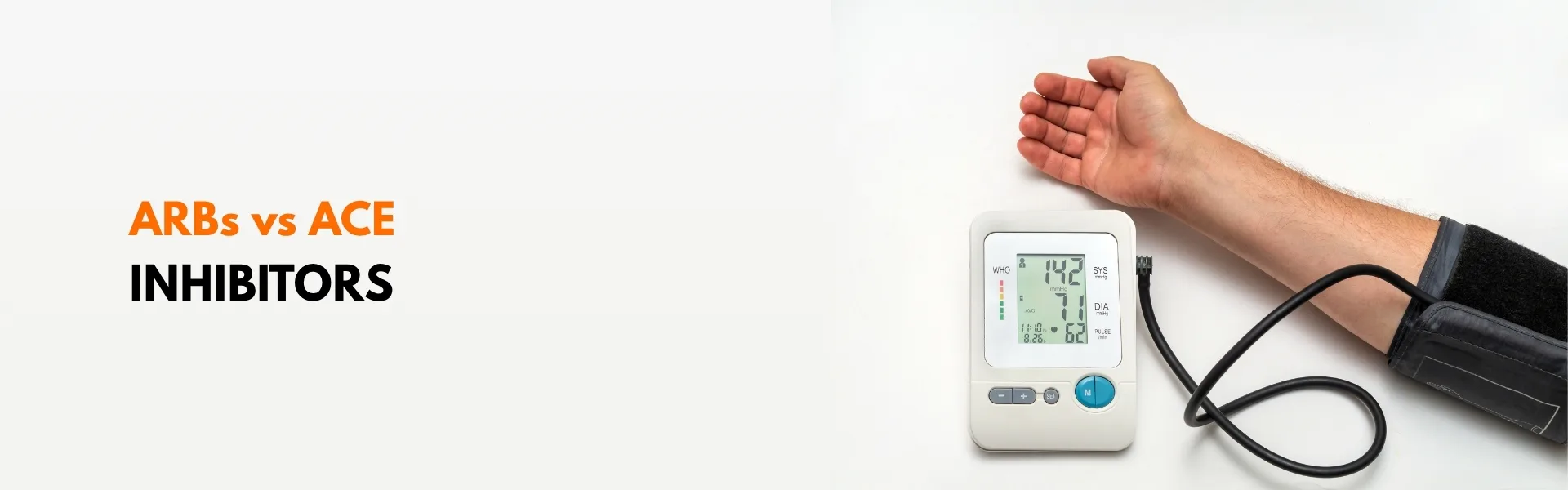
ARBs versus ACE Inhibitors
They form a major class of antihypertensive drugs.
They work by lowering the action of the hormone angiotensin 2.
These are the drugs that treat –
- High blood pressure
- Heart failure
- Kidney disorders
Angiotensin II Receptor Blockers-
Angiotensin 2 is a hormone. It narrows the blood vessels.
Angiotensin 2 blocker stops the binding of angiotensin- 2 to the receptors.
It stops the working of Angiotensin II.
It relaxes blood vessels. This widens the veins/arteries.
It reduces strain on the heart and kidneys.
Angiotensin-converting enzyme inhibitor –
These drugs block the enzyme forming angiotensin -2.
It stops the formation of the angiotensin hormone.
It inhibits the hormone that constricts the blood vessels.
It also reduces the release of aldosterone and thus increases salt excretion from the kidneys.
It reduces fluid volume in the body.
Which antihypertensive drug causes cough?
ACE inhibitors cause dry cough.
These block the breakdown of bradykinin.
Bradykinin deposits in the lungs.
It causes itching in the throat.
What are the ACE inhibitors’ side effects?
- Dry cough
- Hypotension
- Hyperkalemia
- Tiredness
- Extreme weakness
- Headache /drowsiness
- Mild skin rash
- Altered taste
What are the ARBs side effects?
- High potassium
- Dizziness /Lightheadedness
- Headaches
- Fatigue
- Stomach upset
- Back/joint pain
When does the doctor prescribe ACE inhibitors or ARBs?
ACE inhibitors are the first choice used to control high BP.
If a person shows a persistent cough or swelling in the face or throat.
ACE inhibitors are changed to ARBs.
Do these drugs prevent damage to the heart and kidneys?
Heart protection –
The ARBs and the ACE inhibitors reduce the strain on the heart.
These smooth the blood flow and reduce the extra workload on the heart.
They also reduce the blood volume by excreting extra fluid.
These are widely used after a heart attack, it prevents heart muscles from structural changes.
These are used to manage heart-failure
Kidney protection-
These relax the tiny blood vessels in the kidneys.
It reduces blood pressure.
High blood pressure injures the tiny nephrons.
It reduces the filtration load.
The precautions while using ACE inhibitors or ARBs-
They must be avoided in pregnancy.
Do not take potassium food.
Do not stand up at once; it can cause a fall in BP.
Maintain hydration
The leading contract drug manufacturer-
Aprazer Healthcare is a pharmaceutical manufacturer and exporter.
We are global drug distributors. We export the widest range of antihypertensives to countries in Asia, Africa, and America.
We have the strongest distribution network.
Our antihypertensive product portfolio includes –
ARBs (Angiotensin II Receptor Blockers)-
- Losartan
- Valsartan
- Telmisartan
ACE (Angiotensin-converting enzyme) inhibitor-
- Lisinopril
- Ramipril
Beta blockers – Nebivolol
Alpha–beta blockers – Labetalol
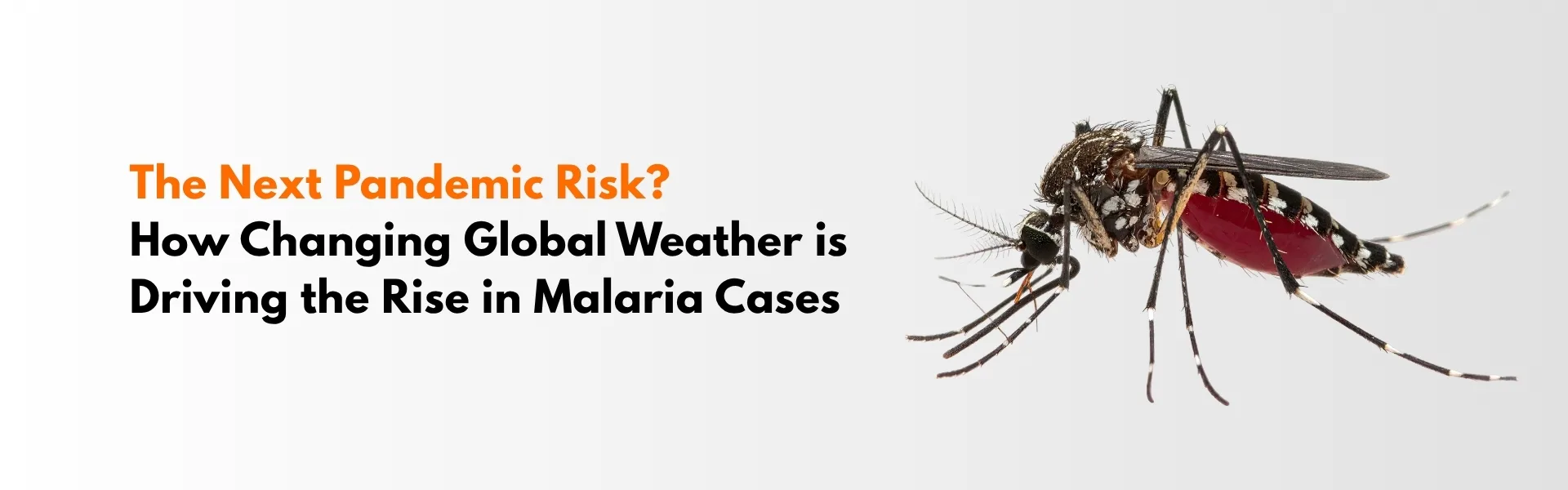
The Next Pandemic Risk? How Changing Global Weather is Driving the Rise in Malaria Cases
The reasons for rising malaria –
Global warming –
The rising temperature in the cold temperate regions offers favorable space for propagation.
Drift into new latitudes –
The changes in the season.
Warmer winters and the extended summers cause a shift in mosquito breeding, spreading into new areas.
New invasive species– the stagnant waters and urban water tanks, pollution, etc. introduce genetic variation, emerging new invasive species.
The increased use of pesticides/chemicals – This increases drug resistance.
The malarial parasite develops genetic changes and more resistant variants.
What are the malaria symptoms?
- Fever and chills
- Body ache sand joint pain
- Nausea, vomiting
- Systemic fatigue
Serious symptoms –
If malaria is left untreated.
It can lead to severe organ failure and even death.
- Altered consciousness
- Difficulty in breathing
- Severe anemia
- Jaundice
- Acute organ failure
- Dark urine
- Low blood sugars
The cause of Malaria –
It is caused by the bite of an infected mosquito (female Anopheles).
How is malaria transferred?
The mosquito carries the parasite.
By biting another healthy person, it transfers into the other person.
Malaria is also transmitted by blood-to-blood contact.
Sharing needles or infected blood.
How to prevent malaria?
Avoid mosquito bites and breeding grounds.
- Use insect repellants
- Sleep under bed nets
- Cover the skin
- Avoid outdoor movements in the evening
- Clear standing waters
- Use sprays
Can malaria spread from a pregnant mother to the child?
It is a very rare condition for malaria to get directly transmitted.
However, malaria may cause several birth defects.
- Still birth
- Miscarriage
- Premature delivery
- low birth rate
What are anti-malarial medicines?
The malaria drug therapy depends upon the type of causative species.
- Artemisinin-based Combination Therapies (ACTs)
These are used to treat uncomplicated malaria.
The fast-acting artemisinic drug is combined with a slow-acting drug.
It efficiently clears the parasite and prevents drug resistance.
- Artemether-lumefantrine
- Artesunate-mefloquine
- Chloroquine Phosphate- It is used for non-falciparum species
- Atovaquone-proguanil – These are widely used to prevent relapse.
It eliminates the dormant malarial parasites, hidden in the liver.
The leading pharmaceutical manufacturer for antimalarial drugs
Aprazer Healthcare is a leading contract drug manufacturer.
As a leading drug exporter, we export a wide range of anti-malarial drugs.
To combat the malarial crises /pandemic, we are committed to manufacturing affordable anti- malarial drugs.
- Large-scale manufacturing unit
- Adherence to global health standards
- Regulatory-compliant drugs
We have a strong distribution network, supplying drugs worldwide.
Our flagship products include –
- Artemether + Lumefantrine
- Hydroxychloroquine Sulphate
- Mefloquine 250mg
- Quinine 300mg
Collaborating with the global health centers and public health sectors, we are committed to providing equitable access to all.
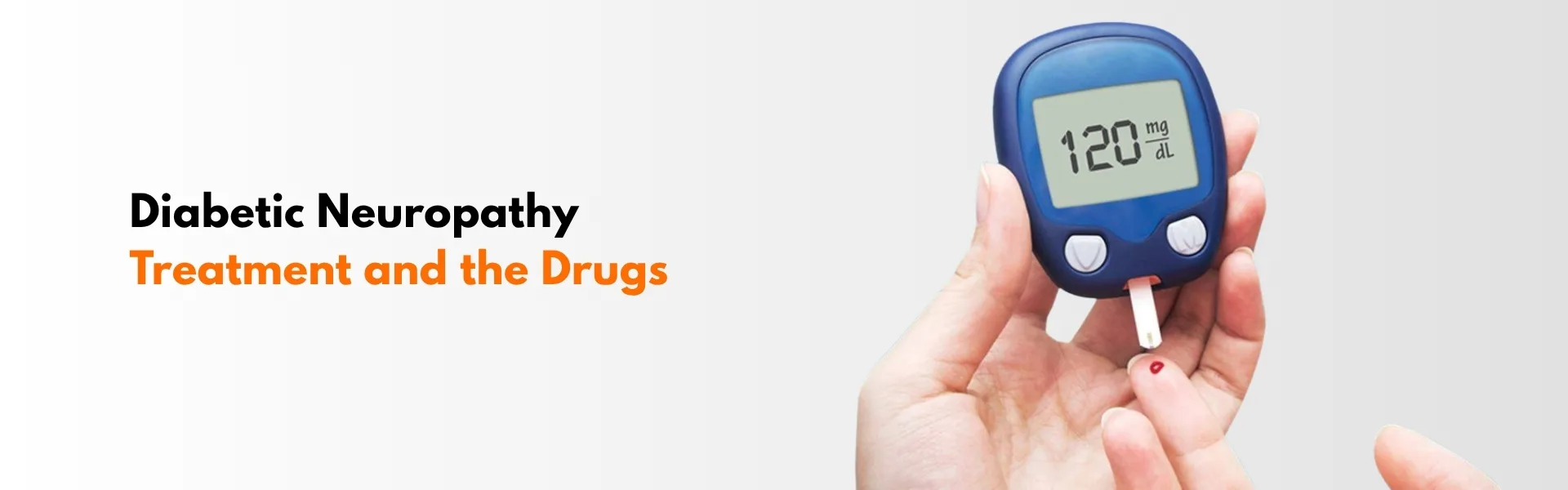
Diabetic Neuropathy Treatment and the Drugs
It is nerve damage because of high sugar levels.
Nerve damage can occur in the legs, hands, and internal organs.
Why does high blood sugar damage the nerves?
The high levels of circulating sugars clog the thin blood vessels.
This blocks the supply of blood to the nerves.
- It inhibits the oxygen supply to the nerves.
- It leads to oxidative stress.
- Sorbitol buildup causes fluid accumulation inside the nerve cells.
- Breaks down the myelin sheath.
- Interrupts nerve conduction
The types of Diabetic Neuropathy –
Peripheral nerve damage – The nerves of the hands, arms, and legs get damaged.
Autonomic Neuropathy- The nerves of the internal organs get damaged.
It can be the nerves of the digestive system, urinary bladder, and heart.
Proximal Neuropathy- It is nerve damage in the hip, buttock, thighs, or legs.
It occurs as severe pain and muscle weakness.
Focal Neuropathy-
A specific nerve gets damaged.
What are the symptoms of diabetes damaging the nerves?
Peripheral nerve damage-
Nerve damage in the peripheral organs.
Hands and legs
- Tingling pain
- Needle-like feeling.
- Burning, sharp pain
- Numbness
- Poor balance
- Muscle weakness
Autonomic nerve damage –
The nerve damage affects internal organs –
Like the stomach, heart, and bladder.
- Stomach upset
- Diarrhea /constipation
- Inconsistent urination
- Hypotension
- Sexual problems
- Unusual Sweating or no sweating.
Which pain-relieving medicines are used to treat diabetic neuropathy?
These are widely used to relieve neuropathy pain.
- Anticonvulsants –
These calm the nervous system.
It reduces the sharp pain.
- Antidepressants – It lowers the spinal cord or brain signals.
- Topical anesthetics- These are local anesthetics.
These are used for local pain relief.
How to manage diabetic nerve damage?
The various steps to manage nerve damage.
- Keep blood sugar within range.
- Avoiding injuries
- Using pain-relief medicines
- Practice hygiene and foot care
- Limit alcohol /smoking
- Low-impact exercises
Why are NSAIDs ineffective in neuropathic pain?
NSAIDs have limited use in managing diabetes induced pain.
They target inflammation.
They cannot relieve pain caused by changes in nerve signals.
It also increases the risk of toxicity.
- Kidney damage
- High blood pressure
- Fluid retention
- Stomach irritation /ulcers
Which is the leading contract drug manufacturer of Neurology Drugs?
Aprazer Healthcare is the top pharmaceutical company.
We manufacture a global range of pharmaceutical products.
We are the leading drug exporters worldwide.
We export neurology drugs to Asia, Africa, and America.
Our neurology product portfolio consists of –
- Anticonvulsants
- Neuroprotective combinations
- Venotonic medicines
Depression – Treatment and Drugs
It is a persistent feeling of low energy, sadness, and loss of pleasure in life.
It significantly affects day–to–day activities like school, work, social life, and relationships.
What are the common symptoms of depression?
- Sadness
- Emptiness/hopelessness
- Anger outbursts
- Loss of interest in regular activities
- Sleep disturbance
- Lack of energy
- Reduced appetite/weight loss
- Anxiety /restlessness
- slowed thinking
- overthinking
- Guilt trap
- Suicidal thought
- Headache/backache
What are the causes of depression?
Family history – Depression travels in the family.
It increases the risk if a close family member has depression.
Neurochemical shifts – It is the depletion of certain chemicals in the brain.
The neurotransmitters are responsible for mood stability.
Hormonal changes-
Any shift in hormones in the body may also cause depression.
Hormone changes occur during menopause, puberty, or pregnancy.
Traumatic event – Events that may lead to chronic sadness.
Death of a loved one, chronic stress
Other health issues –
Any serious health condition may lead to worry and fear.
The excessive pain causes sadness.
Disease causing hormonal changes like thyroid
Brain disorders, etc.
What are the depression medicines?
SSRIs (selective serotonin reuptake inhibitors) –
These elevate the level of serotonin in the brain (happy hormone).
- Sertraline
- Fluoxetine
- Paroxetine
SNRIs (Serotonin –nor-epinephrine reuptake inhibitors) –
These increase the level of norepinephrine and serotonin.
- Venlafaxine
- Duloxetine
Atypical antidepressants –
These affect specific chemical transmitters in the brain.
They affect dopamine along with other transmitters.
- Bupropion
- Mirtazapine
Tricyclic antidepressants –
These are the old-generation drugs.
These block serotonin /norepinephrine reuptake.
These are widely used in major depression /nerve pain
- Amitriptyline
- Desipramine
Can depression be cured by itself?
Depression with mild symptoms or due to life events can be cured.
Clinical depression is a serious condition.
It must be addressed immediately.
Are medicines enough to control depression?
Antidepressants alone may relieve the symptoms.
It does not treat the root cause.
The antidepressant drugs correct the chemical imbalance in the brain.
Depression must be addressed while dealing with the overall condition.
It requires psychotherapy along with medication, depending upon the condition.
Counselling, behavioral therapies, lifestyle adjustments, etc.
Avoid leaving antidepressant drugs on your own. Why?
The antidepressant must be left only after tapering.
Abruptly leaving the medication may show –
Cold turkey effect – Immediately causing a chemical imbalance.
It may cause withdrawal effects.
- Physical issues
- Sensory disturbances
- Emotional instability
- Flu-like symptoms
Which is the leading contract pharmaceutical manufacturer for antidepressants?
Aprazer Healthcare is a pharmaceutical manufacturer with global footprints.
We manufacture a wide range of antidepressants.
With the strongest global distribution network, we supply /export world standard products.
We are WHO-GMP /EU-GMP certified pharmaceutical company.
We are a first choice for global exporters-
- Regulatory adherence
- Global distribution
- Standard quality
- Extensive product portfolio
- Affordable manufacturing
Benign Prostatic Hyperplasia (Enlarged Prostate) – Treatment & Drugs
Benign growth of prostate cells is not cancer.
The prostate cells in the gland grows in size.
It increases pressure on the bladder.
It blocks the urine flow.
It affects 50% of men by the age of 60.
90% of men over 85 years of age tend to develop an enlarged prostate.
Benign prostatic hyperplasia symptoms –
- Frequent urination
- Waking up multiple times for urination at night.
- Weak /slow urine
- Trouble urinating
- Dribbling at the end of urination
Benign prostatic hyperplasia causes –
BPH is linked to unknown causes.
With age, the hormone production in the body is reduced.
Testosterone levels fall while the DHT remains high.
It leads to overproduction of prostate cells.
What are the risk factors for developing BPH?
Age – The risk of prostate enlargement increases after the age of 40.
Genetics – A close family member having an enlarged prostate increases the risk.
Metabolic syndrome- It is linked to altered metabolism.
- Increased BP
- High blood sugars
- High cholesterol
- Cardiovascular diseases
- Type-2 diabetes
Erectile dysfunction – The changes in the muscles /blood vessels in the prostate.
It increases the risk of developing prostate complications.
Can BPH progress to cancer?
Benign prostate enlargement does not progress to cancer.
It is the growth of normal, healthy cells.
Benign cells do not travel to other parts of the body.
Cancer is related to abnormal cell growth.
Cancerous cells rapidly spread to other parts.
What are the drugs used in BPH?
Alpha blockers – They relax the smooth muscles.
They facilitate urine flow.
Tamsulosin and Silodosin
5-alpha-reductase inhibitors – These drugs shrink the prostate cells.
They inhibit dihydrotestosterone hormone expression.
This reduces prostate cell formation.
Dutasteride and Finasteride
PDE-5 inhibitors – These relax the bladder and the urinary tract muscles.
These help manage BPH symptoms.
Tadalafil
Anticholinergics –
With the growing prostate, the bladder muscles become overactive.
It leads to a sudden increase in urge.
It also causes urine incontinence.
Anticholinergic trigger involuntary contractions.
Solifenacin /Mirabegron
Aprazer Healthcare – A Pharmaceutical Manufacturer
Aprazer Healthcare is a global pharmaceutical company.
We are a top drug manufacturer and exporter from India.
Targeting men’s health, we manufacture a wide range of –
- Erectile dysfunction medicine
- BPH medicines
We are trusted for our specialty drug portfolio and quality drug production.
We have WHO-GMP /EU-GMP certified production facilities.
Offering complete regulatory support and quality compliance, Aprazer Healthcare is trusted worldwide.
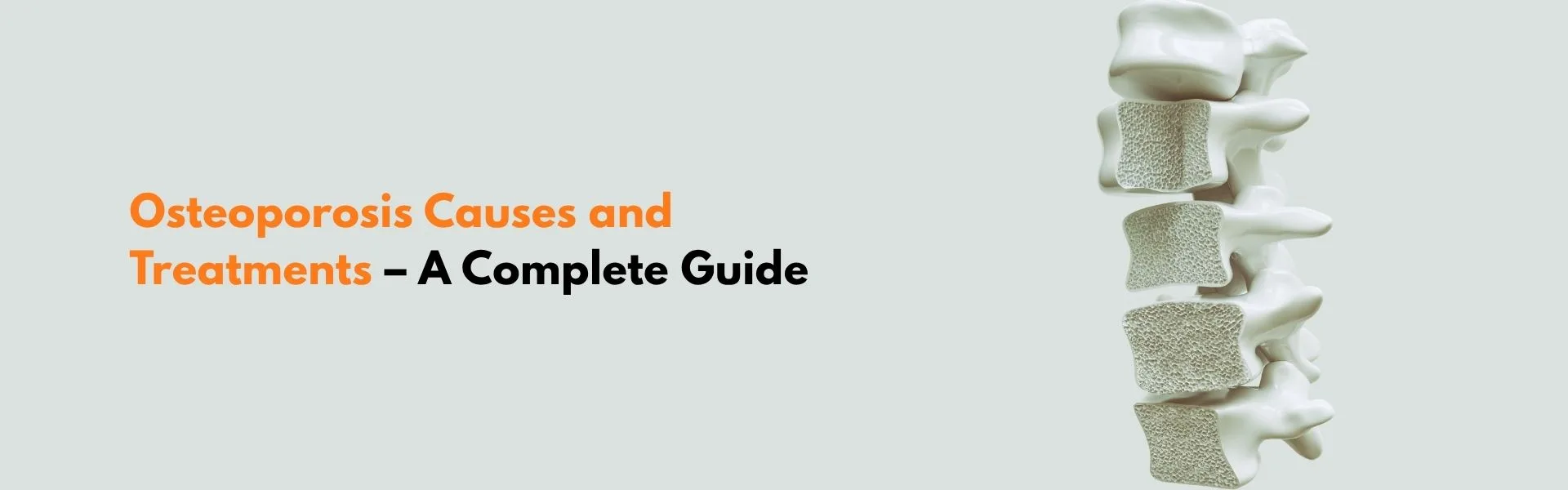
Osteoporosis Causes and Treatments – A Complete Guide
It is a bone disorder. The bones become fragile.
It is a disorder in which bone mineral density or bone mass decreases.
It is a change in bone strength.
It is a silent disorder. The bone loss is not diagnosed until the bone breaks.
The commonly begins in Hips, wrists, and spine.
Are there any symptoms of Osteoporosis?
The bone loss does not cause any symptoms.
It is a sudden fracture in the bone.
The bones gradually lose strength and density.
The warning signs may include-
- Losing an inch of your height
- Posture changes
- Shortness of breath
- Lower back pain
What is osteopenia?
It is a condition in which bone loss occurs gradually.
The bone loss is invisible.
The bone damage is less severe.
If it is not treated, it progresses to osteoporosis.
People who are at the risk of developing Osteoporosis-
Family history-
The risk of osteoporosis increases in people having a family history of bone disorders.
Growing age –
Bone loss naturally occurs with the growing age.
Until the age of 30, the bones are formed.
After the age of 30, the rate of bone degradation exceeds the rate of bone formation.
This leads to bone loss.
Gender – Females have an increased risk of osteoporosis.
It usually occurs in postmenopausal women.
Estrogen levels decline after menopause.
It is a hormone responsible for bone formation.
The reduced hormone declines bone formation.
Chronic disorders – The disease induces inflammation and also impairs absorption.
- Endocrine disorders
- Gastrointestinal disorders
- Autoimmune disease
- Blood disorders
Medication side effects- Certain medicines reduce the absorption of nutrients.
- Proton pump inhibitors
- Glucocorticoids
- Anti-convulsants
- Hormone therapies
Lifestyle factors-
- Smoking tobacco
- Sedentary lifestyle
- Alcohol use
What medicines are used in Osteoporosis?
Osteoporosis can be treated by a balanced approach-
- A healthy, balanced diet
- Active lifestyle
- Using vitamins and mineral supplements
- Hormone therapy
- Bisphosphonates
- Parathyroid hormone
Can calcium preparations improve osteoporosis?
These do not cure the underlying cause of osteoporosis.
They are just added to strengthen the bones and slow down disease progression.
Calcium forms the building blocks of the bones.
These are the external supplements that contain calcium.
- Maintain bone density
- Slow down bone breakdown
- Prevents bone scavenging
- Strengthen the collagen matrix
Why is calcium combined with vitamin D?
Vitamin D is usually given with calcium supplements.
It increases the absorption of calcium.
It increases the absorption of calcium from the intestine into the blood.
Vitamin D also strengthens the muscles.
Are all calcium preparations available over the counter?
The standard calcium preparations like calcium citrate or calcium carbonate are usually available over the counter.
However, specific formulations or high-dose variants need a doctor’s prescription.
The leading contract pharmaceutical manufacturer
Aprazer Healthcare is the top pharmaceutical manufacturer.
Manufacturing global standard products, we export qualified products to countries in Asia, Africa, and America.
We are a third-party Pharma manufacturer for a general range of products.
We manufacture a global range of bone health medicines and supplements.
The product portfolio includes –
- Calcium preparations
- Osteopadicare Products
Migraine is More Than a Headache: Types and Treatment
Migraine is a neurological condition.
It is a severe pain in the head.
It is usually pain on one side of the head.
The attack can last for 4 to 72 hours.
What are the types of migraine?
Migraine with aura – It is a moderate to severe headache.
It includes nausea, vomiting, or smell.
Migraine without aura – It is the sensory disturbances followed by a headache.
It includes flashing lights, zigzag lines, and a blind spot.
Migraine aura without headache –
These are the visual and sensory disturbances in the brain.
Hemiplegic migraine-
It causes temporary motor weakness or paralysis on one side of the body.
Vestibular Migraine: It is an imbalance that causes episodes of severe dizziness and vertigo.
Retinal migraine – It is the temporary changes in one eye.
It leads to vision disturbance in one eye.
Migraine with Brainstem Aura-
It is the head pain that affects the brainstem.
It causes –
Slurred speech, double vision, and ringing in the ears.
What are the causes of migraine?
- A family history of migraines
- Changes in neurotransmitters.
- Abnormal electrical conduction in the brain.
- Incorrect nerve signals.
How does a migraine headache occur? Describe phases.
Migraine is a complex chain of events.
It includes abnormal brain activity, chemical shifts, and nerve signaling.
- Prodrome phase-
These are the early warning signs that occur before a headache.
These occur hours or days before severe pain.
It consists of –
- Frequent yawning
- Food cravings
- Neck stiffness
- Increased urination
- The sensory phase –
This phase lasts for 5 to 60 minutes before the pain.
Shimmering zigzag lines, flashing lights.
Tingling sensation in arms and face.
Slurred speech
- The headache phase-
It is the peak period of the episode.
It lasts from 4 -72 hours (if untreated).
- Pulsating pain
- Extreme sensory sensitivities
- Nausea and vomiting
- Slight movement may aggravate the pain
- Migraine hangover-
It is the phase when the severe pain stops.
It is the recovery phase extending between 24 and 48 hours.
- Extreme weakness
- Brain fog
- Pain on moving the head
What are the symptoms of migraine?
- Throbbing /pulsating headache
- Pain on one side of the head
- Pain behind the eye.
- Stomach upset
- Increased sensitivities
What are the triggers for migraine?
- Changes in hormones
- Overexertion
- Stress
- Sleep changes
- Dehydration
- Specific food /alcohol
- Bright lights
- Strong smell
- Weather changes
How to manage migraines?
It is always advised to avoid the triggers.
Immediate relief steps –
- Turn off the lights
- Avoid sound
- Ice packs on your head or neck
- Drink water
- Small amount of tea
What are the medicines used in migraine?
Acute medication:
It is used when the first signs of pain occur.
These are taken immediately.
- Triptans
- Gepants
- Pain killers
- Ditans
- Anti-nausea drugs
Preventive medications include-
- Monoclonal Antibodies
- Beta-Blockers
- Anticonvulsants
- Antidepressants
- OnabotulinumtoxinA
Which is the contract drug manufacturer?
Aprazer Healthcare is a pharmaceutical company, globally known for quality drug manufacturing.
We are a leading drug exporter from India.
Along with quality manufacturing, we are recognized for transparent communication.
We are capable of large-scale production.
We supply a wide range of products worldwide.
Our export-ready product list comprises –
- Anti-histamines
- Anti-hypertensive combinations
- NSAID combinations
- Anticonvulsants
- Antidepressants