
Is Vertigo a Disease or a Symptom?
It is a symptom.
The feeling of spinning or motion is called vertigo.
A person may feel the surroundings are moving.
Vertigo versus Lightheadedness-
Lightheadedness is a feeling when one feels about to faint.
Lose consciousness.
Vertigo is the sense of spinning or swaying movements.
What causes vertigo?
Vertigo is caused by an imbalance in the inner ear or brain.
It can stem from infection or a brain issue.
Vertigo-associated diseases –
Peripheral Vertigo disorders related to the inner ear-
- BPPV:
Crystalline calcium deposits in the inner ear.
It causes revolving sensations.
- Ménière’s disease:
Fluid retention in the ear.
It causes ringing in the ear.
Hearing loss.
- Labyrinthitis:
Infection in the inner ear.
- Acoustic neuroma:
A tumor on the nerve.
Central vertigo disorders related to the brain –
- Vestibular migraine: Recurring dizziness or vertigo due to migraine.
It may be without head pain.
- Stroke or TIA-
It is reduced blood flow to the brainstems/ cerebellum.
- Multiple Sclerosis (MS)-
It is the demyelination of the nerves.
It affects nerve conduction.
What are the symptoms of vertigo?
Vertigo due to ear dysfunction –
- Dizziness
- Hearing loss
- Difficulty focusing eyes
- Loss of balance
- Ringing ears
- Nausea
- vomiting
- Loss of body fluids
Vertigo symptoms due to a problem in the brain-
- Difficulty in swallowing
- Blurred vision
- Double sight
- Slurred speech
- Weakness of limbs
- Facial paralysis
The medicines used in vertigo management-
The medicines used to manage vertigo symptoms.
These provide short-term relief.
They prevent acute attacks.
Antihistamine drugs –
These are widely used in acute vertigo attacks.
These block the histamine receptors and sensory nerve endings.
It reduces the nerve signals and firing.
Anti- nausea drugs – These drugs act upon the vomiting center in the brain.
These control severe nausea and vomiting.
Vestibular suppressants –
Benzodiazepines – They effectively suppress the inner ear activity.
Anticholinergics- These reduce nerve conduction.
The other drugs based on the disease or illness –
Calcium channel antagonists are widely used in vestibular migraines.
L-channel calcium channel antagonists, tricyclic antidepressants, beta-blockers
for vestibular migraines.
Betahistine or diuretics for Ménière’s disease.
How to manage vertigo?
Immediate ways to relieve –
- Lying down
- Closing eyes
- Moving slowly
- Practicing physiotherapy exercises https://aprazerhealthcare.com
Daily prevention habits-
- Getting up slowly
- Sleep with your head elevated
- Maintain hydration
- Reduce stress
Which is the leading contract pharmaceutical manufacturer in India?
Aprazer Healthcare is a top-tier drug manufacturer in India.
We are the leading drug exporters.
WHO-GMP /EU-GMP licensed, we are trusted and accepted globally.
Our product portfolio comprises a comprehensive range of pharmaceutical products.
- Antihistamine products
- Anti-allergic cold combinations
Our regulatory-compliant, quality-efficient products comprise an affordable and reliable medication
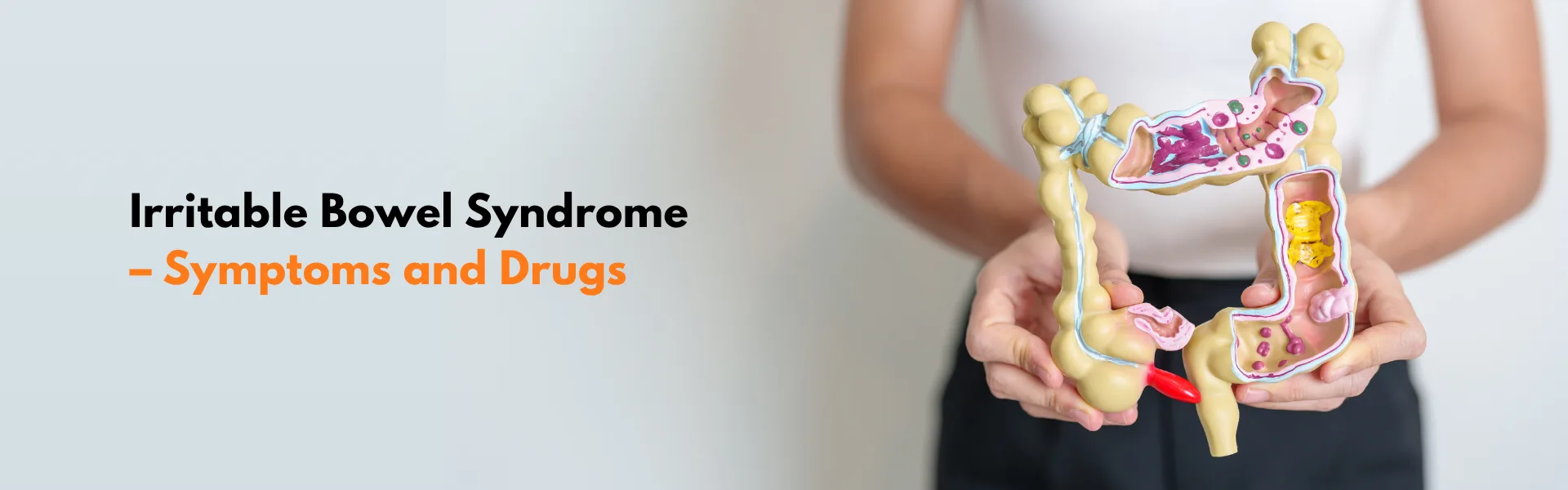
Irritable Bowel Syndrome – Symptoms and Drugs
It is a gastrointestinal disorder.
It affects the large intestine.
It causes recurring symptoms.
- Stomach cramps
- Bloating and gas
Changes in bowel habits –
- Diarrhea
- Constipation
What are the symptoms of IBS?
- Abdominal pain /cramps related to poop.
- Excessive gas /bloating
- Diarrhea/constipation
- Mucus in the poop
- Unable to complete vacate the bowel.
Does IBS comprises diarrhea /constipation?
IBS with diarrhea – It is the condition in which watery loose stool is passed.
It consists of frequent urges.
IBS with constipation – It is characterized by hard and dry stools.
The stool is difficult to pass.
Mixed IBS – It is a condition with mixed symptoms.
It is both diarrhea and constipation.
It is an alternating condition between the two.
Irritable bowel syndrome causes –
It is caused by multiple reasons-
- Muscular contractions –
Stronger contractions cause bloating, gas, and abdominal pain.
Weaker contractions cause slower digestion.
It leads to constipation.
- Gut-brain axis – The imbalance in the gut and brain connection. It changes the gut motility.
- Severe infection – Any infection that changes the gut micro biome. It can cause GIT symptoms like diarrhea and constipation.
- Gut–microbiome changes – Changes in the microbiome in the gut also alter gut functioning.
- Visceral hypersensitivity- The weakening of the nerves in the gut. It also leads to sensitivities.
- Food intolerance – Sensitivities /allergies to some foods can also induce IBS.
- Childhood stress – Any severe trauma, stress, sexual or emotional abuse leads to IBS symptoms.
What are the triggers for IBS?
Periods – The drop in hormone levels triggers the release of cytokines.
It induces IBS symptoms.
Stress – It activates the fight-or-flight response.
It makes the gut oversensitive. It disrupts intestinal functions.
Food – sensitivities to food, spicy, oily food can trigger IBS symptoms.
Managing irritable bowel syndrome-
People with IBS must manage their food habits.
- Low dairy or gas-inducing foods.
- Increase fiber in the diet
- Avoid gluten
- Drink plenty of water
Stress management –
Regular sleep, exercise, and other therapies.
What are the medicines used in IBS?
The IBS treatment consists of symptomatic relief –
Constipation drugs – Laxatives, fiber supplements
Anti-diarrheal drugs – They reduce gut motility.
Antibiotics – These are used for gut infections.
Antispasmodic drugs – These are smooth muscle relaxants. It helps relieve painful spasms.
Neuromodulator – These are the low-dose TCAs that calm down the nerve activity.
Why is Aprazer Healthcare chosen by the global drug exporters?
Aprazer Healthcare is a top-tier pharmaceutical manufacturer.
We manufacture global-quality products for worldwide exports.
Our product portfolio comprises a range of essential medicines.
We are the recognised contract pharma manufacturers for –
- NSAID combinations
- Antispasmodic combinations
- Proton Pump Inhibitor & Gastro-resistant drugs
Hypertension Treatment – A Complete Guide
It can lead to severe complications.
- Heart attacks
- Strokes
- Kidney damage
Symptoms of high blood pressure-
The rare symptoms –
- Headache
- Dizziness
- Bleeding from the nose
- Blurry vision
The Hypertension crisis –
It is BP < 180/120 mm Hg.
It needs immediate medical intervention.
The symptoms include-
- Chest pain
- Shortness of breath
- Confusion
- Weakness
- blurred vision
- Sudden headache
What is dangerously high blood pressure?
A reading above 180/120mm Hg is an emergency condition.
It can directly damage the organs.
What are the types of Hypertension?
High blood pressure –
BP<120-129 mmHg/ 80mm Hg
Stage 1 –BP < 130–139 mm Hg/ 80 mm Hg.
Stage 2- BP <140 mm Hg/90 mm Hg or higher. Hypertensive Crisis- <180 mm Hg/120 mm Hg.
Hypertension Medicines –
- Thiazide diuretics
- ACE inhibitors
- Calcium channel blockers
- Angiotensin 2 blocker
Other medications that are combined to treat high blood pressure
- Alpha blockers
- Alpha and beta blockers
- Beta blocker
- Aldosterone antagonists
- Renin inhibitors
- Vasodilators
- Central-acting agents
What are the main causes of hypertension?
There is no single identifiable cause of hypertension.
- Genetics
- Aging
- Obesity
- High-sodium diet
- Sedentary lifestyle-
About 5% to 15% of cases are due to underlying health conditions.
- Kidney diseases
- Sleep apnea
- Hormonal disorders
- Medications
High blood pressure in pregnancy-
When the blood pressure in pregnancy is higher than 140/90 mmHg.
It is of 3 major types-
- Chronic Hypertension: It is the high blood pressure noted before pregnancy or before the 20th week of pregnancy.
- Gestational Hypertension: High BP after the 20th week of pregnancy.
- Preeclampsia: When high blood pressure starts affecting the kidneys or liver.
Antihypertensive medicines are used in pregnancy –
- Labzer (Labetalol) – It is a beta-blocker safely used to manage high BP in pregnancy.
- Methyldopa – It is a centrally acting drug used for long-term hypertension management.
- Nifedipine – A calcium channel blocker for extended-release BP management.
- Hydralazine-
It is given intravenously in an acute pre-eclampsia emergency.
Anti- hypertensive medications to be avoided in pregnancy-
ACE Inhibitors- lisinopril, benazepril, and captopril
ARBs- candesartan, losartan
Standard Diuretics- hydrochlorothiazide or furosemide
It is important to maintain hydration during hypertension. Why?
It is important to maintain hydration during hypertension.
Dehydration may lead to several complications-
- Increased blood viscosity
- Constricted blood vessels
- Electrolyte imbalance
Antihypertensive drug side effects –
- Dizziness
- Weakness
- Swollen ankles or feet
- Frequent urination
- Cold hands and feet
- Lightheadedness
- Occasional back pain
Do all the antihypertensive drugs cause coughing?
Only the ACE inhibitors cause persistent dry cough.
If it is irritating, one must change the drug combination.
Which is the leading contract pharmaceutical manufacturer for antihypertensive combinations?
Aprazer Healthcare is the top antihypertensive drug manufacturer.
We manufacture a global range of cardiovascular medicines.
Our specialty manufacturing includes-
- WHO-GMP/EU-GMP manufacturing facilities
- Worldwide distribution
- Strong supply chain network
Our specialty product catalogue includes-
- Anti-hypertensive combinations
- Lipid–lowering agents
- Antilipemic Agents Combination & HMG-CoA Reductase Inhibitors (Statins)
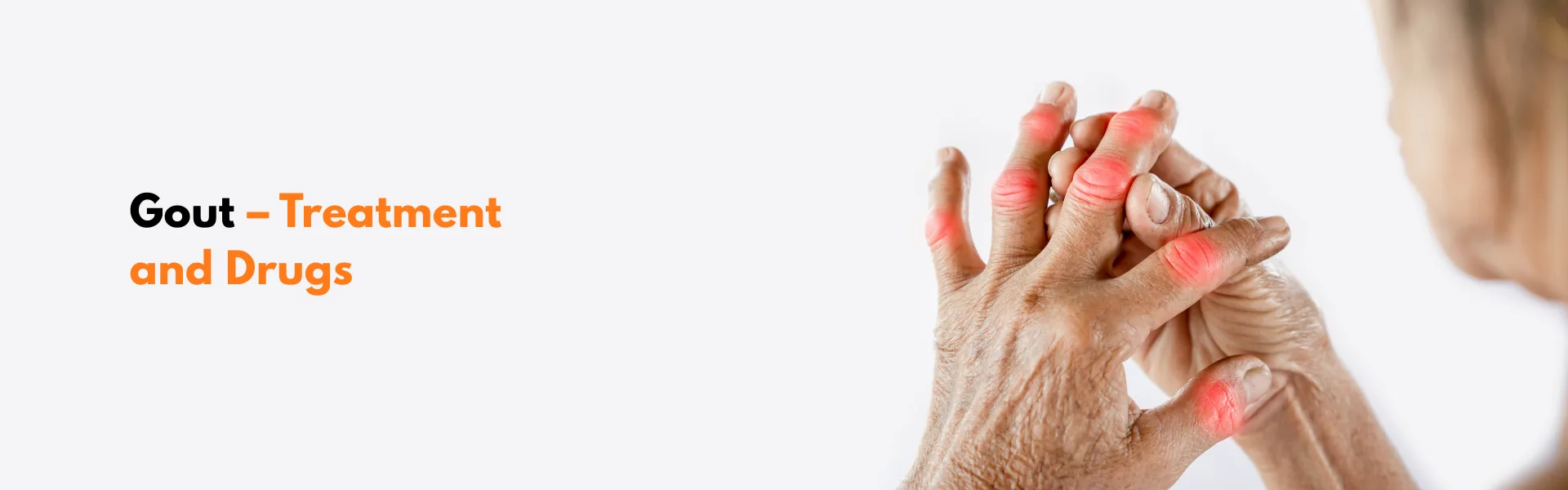
Gout – Treatment and Drugs
It is caused when the body produces excess uric acid.
The kidneys are not able to filter uric acid.
The uric acid forms sharp crystals.
They deposit in the joints.
A sudden pain usually starts in the toe.
What are the higher levels of uric acid?
- 7mg/dl for adult men
- 6mg/dl for adult women
Uric acid levels at 10mg /dl is an emergency condition.
It requires immediate attention.
What are the signs of Gout?
- Sharp pain in the joints
- Warmth or swelling around the joint
- Difficulty in moving the joint.
- The joints get red, puffy, dark, and painful
- Joint stiffness
What are the causes of Gout?
Gout is hyperuricemia. It is a condition due to excessive uric acid buildup in the blood.
It is the extra uric acid production.
It is also caused by reduced renal clearance.
The risk factors include-
Family history – Gout runs in families.
Any close member having gout increases the risk in the family.
Diet – Eating red meat and beverages with excess sugar/fructose increase uric acid levels.
Weight – Obese people make excess uric acid.
The extra uric acid is not excreted from the body.
Chronic disorders- Metabolic disorders like BP, diabetes, etc. increase the risk of gout.
These alter the renal filtration rate.
Older age – Males are likely to develop gout at an age of 30 -40 years.
Females usually develop gout after the age of 60.
The risk increases after menopause.
Surgery or injury – Gout may be caused by physical stress on the kidneys.
Dehydration or blood loss causes volume depletion.
It causes hypoxia in the cells, leading to cell death.
Kidney disorders – Any damage or impaired kidney function may increase the risk of high uric acid.
What are the complications of High uric acid?
- Recurrent gout- Gout precipitates several times in a year.
- Kidney stones – The recurrent gout may lead to the formation of kidney stones.
- Severe arthritis – It can trigger the arthritis /joint pain or inflammation.
- Tophi formation – The uric acid crystals may deposit under the skin.
- Frequent joint stiffness and pain– The crystals deposit in the joints, causing joint pain and inflammation.
How to manage uric acid?
Lifestyle changes –
- Keep the weight in balance
- Exercises without overexertion
- Manage stress levels
- Reduce caffeine and alcohol consumption
Medications –
Drugs to lower uric acid-
Allopurinol- It blocks the enzyme xanthine oxidase.
It inhibits the secretion of uric acid.
Febuxostat- It is given to inhibit the secretion of uric acid.
It is given as an alternative to allopurinol.
Pain-relieving drugs-
These are used to relieve acute gout attacks.
These inhibit the pain and inflammation caused
Increasing uric acid excretion –
These stops the uric acid absorption in the kidney.
It aids in uric acid excretion.
- Probenecid
- Benzbromarone
The Pharmaceutical Manufacturer with Global Export
Aprazer Healthcare is the contract drug manufacturer.
We manufacture and export the widest range of drugs worldwide.
Our manufacturing capabilities are WHO-GMP/EU-GMP licensed.
Expanding our portfolio, we manufacture a wide range of generic and branded drugs.
Focused on rheumatology and joint health, our product portfolio comprises-
- Rheumatology medicines manufacturer
- Gout medicines
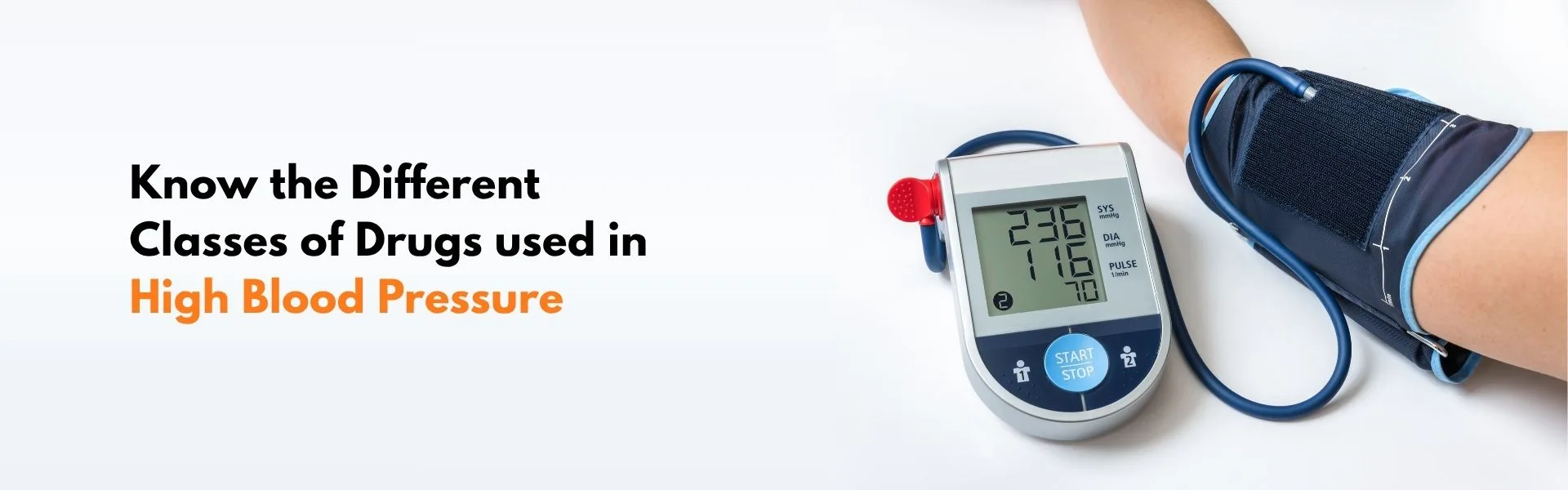
Know the Different Classes of Drugs used in High Blood Pressure
High blood pressure > 120- 129 mm Hg / 80 mm Hg.
Hypertension > Above 130 mm Hg/89 mm Hg.
High blood pressure elevates cardiovascular risk.
Complications caused by high blood pressure-
When blood flows with high pressure through the arteries.
It increases strain on the blood vessels and the vital organs.
- Heart complications –
High BP damages and narrows the arteries.
It increases strain on the heart.
- Brain issues-
High pressure may burst the blood vessels.
It stops oxygen from reaching the brain.
- Kidney dysfunction –
High blood pressure strains the blood vessels.
It damages the nephron.
- Vision loss – The small blood vessels in the eye get strained, and it damages the retina.
- Erectile dysfunction: The blood flow to the penis is obstructed. The tiny blood vessels are damaged. It inhibits erection.
The commonly used medications for high blood pressure –
Diuretics –
These are also called water pills.
These manage blood pressure by removing extra salt and fluid from the body.
These increase the urination frequency.
These widen the blood vessels, reducing the pressure.
These eliminate extra body fluid, reducing the blood volume. This helps reduce pressure.
Examples –
- Thiazides – Chlorthiazide
- Loop diuretics – Furosemide
- Potassium- sparing diuretics- Spironolactone
ACE inhibitors –
These inhibit the conversion of angiotensin 1 to angiotensin 2.
The angiotensin 2 constrict the blood vessels.
Blocking this widens the blood vessels.
Angiotensin inhibition also decreases aldosterone release.
Aldosterone increases blood pressure.
Ace inhibitors also reduce fluid volume.
Captopril, Enalapril
Angiotensin-2 receptor blockers (ARBs) –
These inhibit the binding of angiotensin 2 to the receptors.
They effectively block angiotensin 2 effects.
This helps reduce the fluid volume.
It inhibits blood vessel constriction.
Losartan, Valsartan
Calcium channel blocker –
These block the entry of calcium into the heart muscles /blood vessels.
The calcium ions constrict the blood vessels.
Blocking calcium relaxes the blood vessels and the cardiac muscles.
It also reduces the strain and speed of the heart contractions.
Amlodipine, Verapamil
Other drugs used to control BP-
- Beta–blockers –
These work by blocking adrenaline and noradrenaline.
These hormones reduce the heart rate and reduce the force of contraction.
It relaxes blood vessels. This reduces blood pressure.
- Alpha –blockers-
These block the hormone norepinephrine.
Norepinephrine cause vasoconstriction.
Blocking norepinephrine widens the blood vessels.
It lowers the blood pressure.
- Vasodilators-
These widen the blood vessels.
They relax the muscles and ease the pathway of blood.
The Leading Antihypertensive drug manufacturer–
Aprazer Healthcare is the leading drug manufacturer.
We are a trusted contract drug manufacturer from India.
We are the exporter of a large range of pharmaceuticals.
Licensed with WHO-GMP/EU/GMP, we manufacture global quality products.
Our product portfolio comprises –
- Anti-hypertensive combinations
- Nephrology & Diuretics
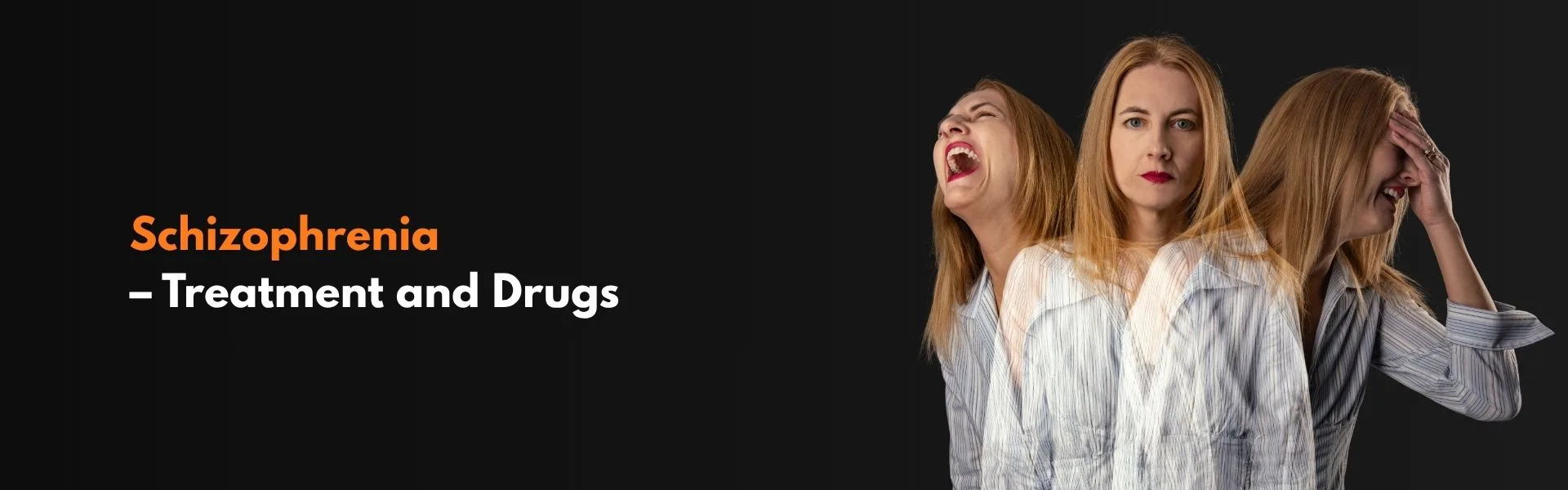
Schizophrenia – Treatment and Drugs
It is a severe condition that affects people’s behavior and psychology.
A person loses touch with reality.
It is a condition of hallucinations, delusions, and disorientation.
A person remains in an imaginary world.
What can be Schizophrenia symptoms?
False beliefs – The person starts believing things that are not real.
False perceptions – A person starts seeing or hearing imaginary things.
They hear unusual voices. They see people that aren’t real.
Disoriented speech and thinking- The person is not able to organize their thoughts.
The behavior is disoriented. A person may continue to laugh excessively or do repetitive movements.
Negative symptoms – It widely impairs attention or mental functions.
Physical inactivity. Negative thoughts, flat expressions.
Causes of schizophrenia-
Family history and genetics – Any close family member having a disorder may pass it on to the family.
Changes in brain chemicals – It is the changes in the neurotransmitters in the brain.
Changes in brain structure- It is the structural changes in the brain.
Changes in the central nervous system.
Pregnancy issues – It is due to various issues caused during pregnancy. Low birth weight, premature labor, etc.
Childhood trauma- Severe stress during adolescence, neglect from the parents, or any other tragedy may trigger schizophrenia.
Drug use – Using drugs like amphetamine, cannabis that alter brain functions or its working.
How to manage schizophrenia?
Schizophrenia treatment consists of lifelong therapies.
It includes vocational rehabilitation therapies alongside regular medication.
The common age for developing schizophrenia –
It is mostly diagnosed in late teens and early 30s.
During adolescence, changes in hormones increase the risk.
It is not diagnosed in children below 12 years of age.
It is rare above 40 years of age.
Does Schizophrenia affect old age?
It is rare and usually occurs in women during menopause due to some hormonal changes.
What are red flag warnings of developing schizophrenia?
- Pulling away from friends and family.
- Sudden decline in activities and performance.
- Difficulty in showering, brushing teeth.
- Odd behaviors
- Sudden intense fear
- Illogical beliefs
- Blurred reality
- Rapid mood changes
- Flat expression or voice tone
Schizophrenia medicines –
The antipsychotics are widely used in schizophrenia.
These alter the dopamine levels in the brain.
- Atypical antipsychotics –
- Risperidone
- Olanzapine
- Clozapine
- Typical antipsychotics-
- Haloperidol
- Chlorpromazine
- Newer medications –
Xanomeline and trospium chloride
The leading pharmaceutical manufacturer of antipsychotic drugs-
Aprazer Healthcare is the top pharmaceutical company.
Focused on brain health and development, we manufacture a wide range of psychotropic or psychiatric medicines.
Our extensive portfolio includes –
- Neurology Combinations
- Anticonvulsants
Manufacturing our own products, we are also recognized as a leading contract Pharma manufacturer from India.
Our manufacturing facilities, equipped with modern infrastructure, are highly compliant with WHO-GMP manufacturing standards.
Beyond WHO-GMP, our premises are licensed with EU-GMP, offering world-class manufacturing facilities catering to the European markets.
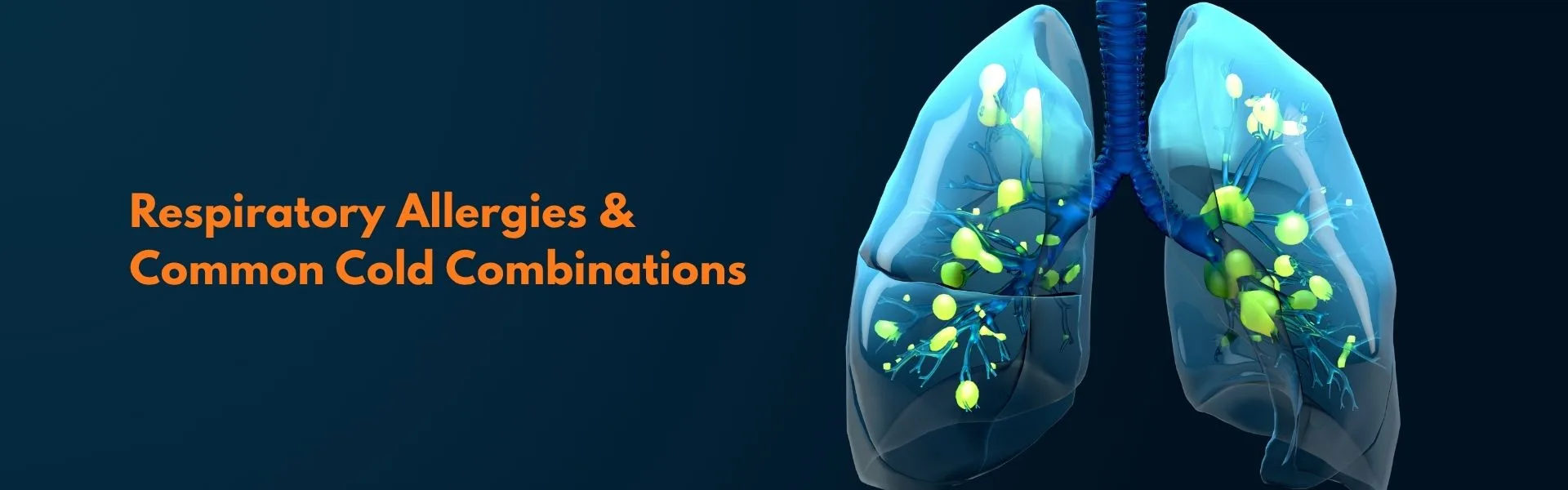
Respiratory Allergies & Common Cold Combinations
An allergy is a reaction or the body’s immune response to a stimulus.
The immune system generates antibodies against the foreign particle.
The allergy in the respiratory tract can be caused by several triggers.
- Pollen grains
- Dust mites
The common types of respiratory allergies-
Allergic rhinitis – It affects the eyes and nose.
Allergic asthma- The allergy that induces asthma flare.
Allergic conjunctivitis – It is paired with rhinitis.
It causes red, watery eyes.
Hypersensitivity pneumonia – Deeper lung inflammation due to mold/fungus infections.
Common cold versus Allergy-
Common colds are viral infections.
A cold lasts for 7 -10 days.
A low-grade fever happens with a cold.
Allergies are an immune reaction.
Allergies remain until the allergen is removed.
The symptoms of allergy include itchy, watery eyes.
Symptoms of respiratory allergy –
- Sneezing
- Runny, stuffy nose
- Itchy, watery eyes
- Persistent cough
- Wheezing and tightness in the chest
The medicines used in respiratory allergies-
Antihistamines – These are the drugs that treat allergy symptoms.
These are also used to treat digestive issues.
They work by blocking histamine.
Histamine is released during an allergy.
Nasal Corticosteroids – These reduce swelling and nasal congestion.
Bronchodilators – These dilate the bronchial muscles.
They relax the tightened airway passage.
These are used in asthmatic flare-ups.
Leukotriene Modifiers-
They block the leukotriene secretions.
Leukotriene are secreted during an allergy.
These trigger inflammation in the lungs.
These narrow down the airways and trigger mucus secretion.
Pain/fever medicines – These drugs relief the body ache and fever.
Decongestants – These are used to relieve the stuffy nose or release sinus pressure.
They shrink the blood vessels. They clear the nasal passage.
What are the triggers of respiratory allergy?
- Outdoor pollen grains
- Mold spores
- Dust mites
- Air pollution
- Smoke
- weather changes
- Strong smell
Difference between respiratory allergies and asthma –
Respiratory allergies –
These are caused in the upper respiratory tract.
It causes wheezing, cough, and runny nose.
Asthma –
It is a disease of the lower lungs.
It is a chronic airway disorder.
It leads to difficulty in breathing.
What is allergic asthma?
It is the precipitation of asthma.
Airway inflammation and breathing troubles are triggered by an allergic reaction.
It causes inflammation in the lungs.
Symptoms include –
- Shortness of breath
- Chest tightness
- Sneezing /runny nose
- Itchy eyes
Which is the leading contract pharmaceutical manufacturer for anti-allergic /cold combinations?
Aprazer Healthcare is a top-tier drug manufacturer.
We manufacture a comprehensive range of pharmaceutical formulations.
We are global drug exporters.
We supply global standard products worldwide.
We are certified WHO-GMP pharmaceutical manufacturers.
We hold an EU-GMP license for manufacturing drugs for export in European markets.
We are recognized exporters in Asia, Africa, and America.
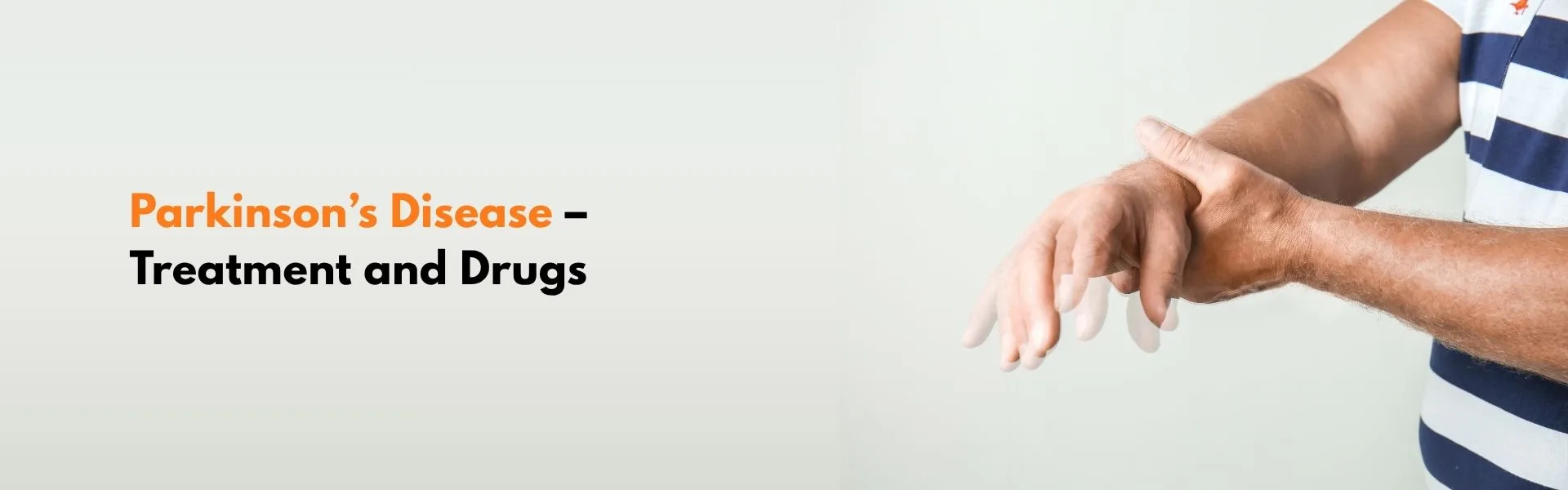
Parkinson’s disease – Treatment and Drugs
Parkinson’s is not a single disease.
It is a complex syndrome that occurs due to different biological processes.
The nerve cells in the brain stop releasing neurotransmitters.
The deficiency in chemicals affects neuron firing.
It also leads to severe cognitive changes.
What are the causes of Parkinson’s disease?
It is the slow degradation of nerve cells.
It is the loss of neurons.
It lowers chemical messengers in the brain.
It leads to loss of Dopamine/Nor-epinephrine.
It controls many body functions.
- Motor functions
- Heart rate
- Blood pressure
- Tiredness
- Sleep disturbances
Parkinson’s disease symptoms-
- Shaky movement in hands /finger.
- Slow movement, taking longer to walk/dress.
- Stiffness in the limbs
- Increased risk of fracture
- Trouble sleeping
- Constipation
- Depression
- Slurred speech
- Blurred vision
Severe complications caused by Parkinson’s disorder-
Parkinson’s disorder affects day-to-day life, affecting a person’s cognitive and physical functions.
- It affects people’s memory, language, and reasoning skills.
- Emotional instability
- Depression /anxiety
- Trouble swallowing /chewing
- Sleep disorders
- Nightmares
- BP changes
- Bladder functions
- Sexual dysfunction
- Smell loss
What are the risk factors of developing Parkinson’s disease?
- Growing Age – With age the neurons in the brain degenerate.
The risk of developing Parkinson’s increases with the growing age.
The risk is higher above 70 years of age.
- Genetics – The risk is higher in people with a family member having Parkinson’s.
- Gender – Males have a higher risk of developing it.
- Exposure to toxins-
Environmental pollution, and harmful chemicals in food.
Can Parkinson’s occur at a younger age?
Parkinson’s can affect young people.
It is mainly caused by genetic inheritance.
It is called juvenile Parkinson’s.
It is different from Parkinson’s in older people.
The disease progresses very slowly.
Young people experience more dystonia and muscular contractions.
They have fewer instances of cognitive issues.
What is the treatment for Parkinson’s disorder?
The treatment involves the restoration of dopamine and relief of the symptoms.
It includes –
- Physical/speech therapies
- Lifestyle adjustments
- Medications
The common drugs used to treat Parkinson’s disorder
- Carbidopa-levodopa-
Levodopa changes to Dopamine.
It enhances the Dopamine level in the brain.
It widely improves motor functions.
Dopamine agonist –
These mimic dopamine in the brain.
It binds to dopamine receptors; it activates the receptors.
It is used to treat –
- Parkinson
- Restless leg syndrome
- High prolactin levels
Pramipexole
- MAO-B, COMT inhibitors –
It prevents dopamine breakdown.
It is taken alongside levodopa to enhance dopamine activity.
- Selegiline
- Rasagiline
- Amantadine –
It blocks the NMDA receptor.
It decreases glutamate activity
It boosts dopamine activity.
It reduces motor function.
Other supportive medicines include –
- Antidepressants for cognitive improvement.
- Drugs for GIT and autonomic issues.
- Laxatives for severe constipation.
Do not stop taking medicine abruptly. Why?
It shows sudden withdrawal symptoms.
The immediate stopping of the medicine.
It leads to a severe drop in dopamine levels.
- Severe muscle rigidity
- Complete loss of movement
- Unstable blood pressure
- Difficulty in breathing, swallowing
- Extreme anxiety
- Panic attacks
It is advised to gradually taper the medications.
A leading Contract Pharmaceutical Manufacturer-
Aprazer Healthcare is the leading pharmaceutical manufacturer.
We manufacture world-standard drugs.
We are globally recognized, offering world-class services.
Our dealings are based on transparent communication.
- WHO-GMO/EU-GMP compliance
- Robust quality products
- Audit-ready labs
- Export-ready dossiers
- Worldwide distribution

Allergic Rhinitis (Hay Fever) – Treatment and Medicines
It is an irritation caused by a stimulus.
It is irritation and inflammation in the nose.
The tiny particles are breathed.
They irritate the inner nose lining, causing a flare reaction.
It releases histamine.
What are the Hay fever symptoms?
- Stuffy nose /runny nose
- Sneezing
- Itchiness in nose and eyes
- Mucus falling in the throat
- Tiredness
- Sinus pressures
What are the types of rhinitis?
Allergic rhinitis – It is nasal inflammation triggered by allergens.
Non-allergic rhinitis- It is triggered by weather changes, spicy foods, and strong smells.
Infectious rhinitis – It is caused by viral infections.
Is hay fever a real fever?
It is called hay fever because the allergy occurs due to hay.
Pollen, dust, etc. It does not cause fever directly.
The fever is caused by infection or cold, etc.
Difference between cold and hay fever-
Cold /Flu is an infection caused by a virus.
Hay fever is caused by an allergic reaction.
The allergy lasts until the allergen is in the environment.
It usually happens in the season of the pollen grains.
Allergic rhinitis /hay fever medicines-
Antihistamines –
They block the histamine receptors.
Histamine is released by the body (due to an allergy).
- Cetirizine
- Fexofenadine
- Loratadine
Nasal corticosteroids-
They help manage moderate to severe rhinitis.
They work directly into the nose.
It reduces nasal inflammation or swelling and mucus.
- Fluticasone propionate
- Budesonide
Decongestants –
These thin down the viscous mucus.
Mucus is excessively produced due to allergy.
- Pseudoephedrine
- Oxymetazoline
Leukotriene inhibitors-
These block the nasal inflammation.
- Montelukast
- Zafirlukast
How to prevent allergic rhinitis?
- Identify the triggers.
- Minimizing exposure.
- Keep the windows closed.
- Practice daily saline irrigation.
- Use intranasal corticosteroids.
- Practice cleaning habits
- Avoid smoking
- Wear sunglasses
- Avoid contact with pets
Allergic rhinitis can induce an asthma flare. How?
Rhinitis irritates the nose and eyes.
It affects the airway system.
The air is inhaled through the mouth.
The air is not warmed in the lungs and irritates the bronchi.
It may cause inflammation of the airway system.
It can cause an allergic flare.
The Third–party pharmaceutical manufacturer and the leading distributor-
Aprazer Healthcare is a global pharmaceutical manufacturer company.
We manufacture a range of global quality products.
Our product portfolio includes a wide range of drugs.
- Anti-Histamines
- Anti-Allergic & Common Cold Combinations
We are WHO –GMP certified and globally recognized.
Accredited by the EU-GMP, we are the leading drug suppliers to the Middle East markets.

Chemotherapy vs Targeted Therapy: Which is Better?
Chemotherapy and targeted therapy form the base of cancer treatment.
These are the systemic anti- cancer therapies.
The toxic drug agent circulates through the bloodstream.
Targeted therapy is precision drug therapy.
It targets the tumor site and the cancer cells.
It is used for specific genetic mutations.
It offers fewer side effects.
Chemotherapy drugs equally affect healthy/cancerous cells.
It is highly effective for fast-growing cancers.
It offers more severe side effects.
Chemotherapy and its uses-
These are the cytotoxic agents that kill the rapidly dividing cells, damaging the DNA.
The primary goal of using chemotherapy drugs is-
- Eliminate the cancer cells
- Prevent the spread of cancer cells to other organs
- Prevent recurrence of cancer
Chemotherapy is exclusively used in –
- Acute leukemia
- Aggressive lymphomas
- Small cell lung cancers
- Triple–negative breast cancer
Targeted therapy and its uses-
These are the cytotoxic drugs that target specific enzymes in cancer cells.
These target the cancer cell cycle.
The primary therapeutic goal of using targeted therapy drugs is-
- Starving the tumor cells
- Blocking the growth signals
- Enhancing the immune system
- Deliver targeted destruction
It is exclusively used in –
- Non-small cell lung cancer
- HER2-positive cancers
- BRCA1/BRCA2 reproductive system cancers
- Myeloid leukemia
Benefits and side effects of chemotherapy-
These offer broader protection.
These are widely used for –
- Fast-growing tumors
- Widespread cancers
- Highly mutating cancer cells
Common side effects include –
- Weakness
- Hair loss
- Bone marrow suppression
- Digestive issues
- Mouth ulcers
- Nerve damage
- Chemo brain
Benefits and side effects of Targeted therapy-
Targeted therapy drugs are used to target specific enzymes.
They are widely used to target –
- Localized tumors
- Specific mutations in the cancer
- Specific stage of the cancer
The common side effects include –
- Skin /nail changes
- Fatigue
- Diarrhea
- High Blood pressure
- Liver impairment
- Delayed wound healing
Which are the chemotherapy drugs?
- Cisplatin- Cycokast-50
- Capecitabine – Capekast
- Paclitaxel – Paclikast 260
- Doxorubicin – Dorucin
- Etoposide – Posiact
Which are the targeted therapy drugs?
- Imatinib – Imatikast 500
- Dasatinib – Dasakast 70
- Olaparib – Olabir
Which is the largest oncology medicine manufacturer?
Aprazer Healthcare is the leading anticancer drug manufacturer.
We are a global pharmaceutical company, specializing in manufacturing oncology orals and oncology injectables.
We are the top exporters of oncology medicine worldwide.
Accredited by the global health authorities, we manufacture top-quality anticancer drugs accepted and preferred worldwide.