

Is Smoking Tobacco a Reason Behind Severe Muscle Loss?
Smoking not only increases the risk of pulmonary diseases.
It directly affects muscle strength.
Tobacco use is increasing in epidemic proportions across the world.
82% of adult smokers begin smoking before 25 years of age.
1/5 of the youth start regular smoking by the age of 15.
Delving deep, let’s understand how smoking/nicotine affects muscle strength.
Smoking increases muscle breakdown.
It reduces oxygen delivery to muscles.
The toxic components in tobacco stop muscle formation.
Inhibits protein synthesis –
It stops the synthesis of muscle proteins.
It increases the breakdown of the muscle.
It imbalances muscle formation and muscle degradation.
Impair nutrient synthesis
The rapid muscle breakdown leads to nutrient depletion.
It suppresses the body’s ability to repair muscles.
It reduces muscle strength.
Diminished oxygen supply
Smoke produces carbon monoxide.
It binds with hemoglobin.
It reduces the binding of oxygen.
The oxygen supply to the muscles/organs is diminished.
Vascular damage
Smoking causes vasoconstriction.
It stops the formation of new blood vessels.
It increases the risk of clot formation.
Thus interrupting the blood flow.
Hormonal imbalance
The nicotine present in smoke alters the endocrine hormones.
It increases cortisol levels, increasing muscle breakdown.
Suppressing testosterone reduces muscle build-up.
Systemic Inflammation-
Long-term smoking infiltrates the blood with cytokines.
It causes a constant state of low-grade systemic inflammation.
It drives muscle wasting.
Does nicotine improves athletics performance?
Nicotine is believed to boost short-term improvement.
However, the long-term side effects outweigh the short-term benefits.
- Nicotine increases the heart rate.
- Improves blood flow.
- It increases motor function.
The chronic use of nicotine has a severe downside.
It leads to dependency.
Athletes are unable to perform without nicotine.
It hijacks the endocrine and sympathetic nervous system.
It leads to a chronic semi-alert state.
It imbalances the transition from performance to recovery.
It impairs-
- sleep quality
- Inhibits muscle repair and formation
- Cognitive function
- Decreases strength and power
Just 14 days of quitting smoking significantly improves muscle endurance.
Over a year of smoking cessation, the body gains up to 17- 23% of muscle strength.
Tips to help muscle growth and strength-
- Resistance exercises
- Protein-rich diet
- Healthcare supplements
The widely used amino acid supplement used by athletes to improve muscle strength-
Hepakast – L-leucine, L-isoleucine, L-valine (BCAA) sachets, manufactured by Aprazer Healthcare.
These are the branched chain amino-acids essential for muscle building.
- It enhances muscle repair and recovery.
- It reduces muscle breakdown.
- It supports muscle maintenance, providing additional energy.
- It reduces exhaustion during workouts.
Aprazer Healthcare is a pharmaceutical manufacturer.
We manufacture a wide range of life–saving medicines and healthcare products.
Beyond its specialty in manufacturing oncology medicines, Aprazer Healthcare continues to expand its portfolio, manufacturing a comprehensive range of generics.
Having global footprint, Aprazer Healthcare is a recognized pharmaceutical company, manufacturing global-quality products.
Open to partnerships, Aprazer Healthcare is a global pharmaceutical choice.
HIV Backbone Combinations by Aprazer Healthcare: Tenofovir/Emtricitabine (Temirazer) and Abacavir/Lamivudine (Abakast L)
HIV treatment usually consists of a combination of 3 drugs.
The two drugs combined from the NRTI class form the foundation.
The other drug forms the basis of the treatment to make it work.
The drugs are from 2 different classes; they effectively inhibit viral cell multiplication at different stages.
These are combined to form a fixed-dose combination.
At Aprazer Healthcare, we are dedicated to manufacturing anti-retroviral combinations, dispensing the multiple drugs into a single pill.
As the leading HIV medicine manufacturer, Aprazer Healthcare manufactures a global range of HIV medicines.
We are the leading HIV drug exporter to countries worldwide.
The anti-retroviral combination forms the gold standard treatment for HIV
The anti-retroviral combination offers –
- Better control
- Lower drug resistance
- Fewer side effects
- Improve immune functions
- Stop transmission
- better compliance
- Lower pill burden
The commonly combined 2 drugs include
- Nucleotide reverse transcriptase inhibitors (NRTIs)-
These form the foundation of antiretroviral combinations.
The two drugs are combined to offer a synergistic effect.
These get incorporated into the viral cell.
It inhibits the multiplication of the virus.
- Integrase Strand Transfer Inhibitors (INSTIs)
If the virus manages to form the DNA, integrase inhibitors inhibit the final step.
It stops the virus from integrating its DNA into the human DNA.
Which are the two widely used antiretroviral combinations for HIV?
It is a widely used combination and forms the backbone of HIV treatment.
Together, they reduce the viral count to zero.
It is also used for pre-exposure HIV prophylaxis.
It can be used for both Hepatitis B and HIV.
Both drugs mimic the nucleic acid bases.
They incorporate into the viral chain and act as chain terminators.
The combination offers a high resistance barrier.
It has a longer intracellular half-life.
- Abacavir and Lamivudine (Abakast-L)-
It blocks the conversion of RNA to DNA.
They cause chain termination.
It improves immune function.
It inhibits opportunistic infections.
It prevents the transmission of HIV.
Which is better, Tenofovir or Abacavir?
Both are strong anti-retrovirals.
They both effectively manage HIV.
The choice of treatment depends upon the health profile and viral load.
Tenofovir and emtricitabine (Temirazer) are preferred in –
- High viral load
- Hepatitis B co-infections
- People with cardiovascular risk
- Emtricitabine offers high resistance barrier
Abacavir and Lamivudine (Abakast-L) are preferred in –
- People with risk of renal disorder
- osteoporosis
- It increases cholesterol levels and increases the risk of cardiac problems.
Conclusion – Tenofovir is the first-line treatment, globally preferred combination used to control high viral loads.
Abacavir is the alternative treatment drug widely used in people with renal disorders/bone dysfunctions.
Abacavir therapy requires genetic testing.

Discussing the HIV Drug Side Effects and Effective Management
The modern HIV drugs are highly effective in managing HIV infection.
They cause fewer side effects, easily manageable.
However the body need time to adjust.
The short-term side effects usually last for 2 – 6 weeks.
The HIV treatment extends life-long and needs strict adherence.
At Aprazer healthcare (HIV medicine manufacturer) we specialize in manufacturing an advanced generation antiretroviral combination.
We are focused to transform multi regimen drugs to a single pill.
We are the top drug exporters supplying a global range of HIV drugs.
Our HIV product portfolio comprises of fixed dose HIV combination drugs.
- Temirazer– Tenofovir Disoproxil Fumarate, Emtricitabine Tablets
- Tudobest-L– Tenofovir Disoproxil Fumarate & Lamivudine Tablets
- Lopikast– Lopinavir and Ritonavir USP Tablets
What are the common HIV drug side effects?
The short term side effects occur during the early weeks of the treatment.
However the body adapts to the drug regimen lowering its adverse effects.
- Stomach upset
- Tiredness
- Low energy
- Trouble falling asleep
- Weird dreams
- Injection site reaction for HIV injectable.
What are the long term HIV medicine side effects?
Cardiovascular /metabolic side effects –
The HIV medicine increases the level of bad cholesterol.
It increases the risk of plaque deposition in the arteries.
It elevates the risk of heart attack and strokes.
Many of the HIV drugs can directly damage pancreatic cells.
It leads to insulin resistance and increases blood glucose levels.
Body fat redistribution –
The older generation drugs usually show unequal fat distribution.
The fat under the skin is lost.
The fat accumulates deeper inside the organs.
The belly fat and the buffalo hump.
The thin legs and arms.
Bone –density loss-
It alters the bone metabolism.
The drugs fasten the bone degradation and stops bone formation.
It increase the risk of fracture.
Organ damage
Kidney damage –
The drugs damage the nephrons.
It strains the kidney and impair filtration.
It leads to protein leakage into the urine.
Liver damage
The drugs leads to elevated liver enzymes.
It increases chronic inflammation.
Nervous system issues
The prolonged use damages the nerves.
It also leads to neuropsychiatric effects.
Why the side effects of HIV medicines does occurs?
The fixed dose combinations contain more than one drug.
The two or more drugs interact with the body cells at different sites.
Integrase inhibitors can lead to elevated cholesterol or mood shifts.
TDF can affect kidney and bones.
NNRTIs can lead to insomnia or vivid dreams.
Old generation drugs may lead to severe diarrhea, insulin resistance and weight gain.
Rare but severe side effects –
- Hypersensitivity
- Deep breathing
- Severe muscle pain
- Cold limbs
- Severe peeling, painful skin blisters around mouth, nose or eyes.
What functions must be monitored while on long-term HIV treatment regimen?
3 to 6 months routine checkup is required and complete tests for –
- Blood functions
- Cholesterol
- Blood sugar
- liver enzymes
- Bone density scans
Are these side –effects manageable?
The side- effects are manageable by swapping the regimen.
To reduce kidney /bone issues, one can use tenofovir free regimen.
Integrase inhibitor can increase cholesterol levels.
Allergy /genetic testing.
Secondary medications for cholesterol /diabetes or bone density management.
Lifestyle changes like –
- Strength training
- Proper diet
- Quitting smoke
An affordable, pan-genotypic (Velakast) Sofosbuvir/Velpatasvir treatment for Hepatitis C by Aprazer Healthcare
Sofosbuvir/Velpatasvir (Velakast) is a clinically proven, synergistic combination effective against all major genotypes (1-6) of the hepatitis C virus.
Velakast (Sofosbuvir/Velpatasvir), manufactured by Aprazer Healthcare, delivers an affordable Hepatitis C treatment regimen worldwide.
Aprazer Healthcare (pharmaceutical manufacturer) specializes in manufacturing generic hepatitis C medicines.
We are the largest exporter of hepatitis C medicines from India.
With global-standard drug manufacturing capabilities, we are a trusted, reliable pharmaceutical partner for international drug supplies.
Trusted worldwide by government health bodies, we supply Hepatitis C medicines to the leading global hospitals and clinics.
Why Sofosbuvir/Velpatasvir (Velakast) is widely prescribed?
It is a globally available strong antiviral combination used to treat tougher cases.
It can be safely used in children above 6 years of age and adults.
It is used in both compensated and decompensated liver cirrhosis.
Sofosbuvir/Velpatasvir (Velakast) combination benefits –
- The average cure rate is 90-95 percent.
- It offers a high resistance barrier.
- Effective against all types of mutated strains
- Widely preferred in advanced liver diseases
- Single dose combination helps easy adherence.
Velakast usage in co-infections (Hepatitis B /HIV)
It can be used safely in HIV co-infections.
However, in Hepatitis B co-infections, it cannot be used alone.
It can lead to hepatitis B reactivation.
It must be used in combination with Hepatitis B medicines.
What is Sofosbuvir/Velpatasvir (Velakast) standard dose, and how long is the treatment?
The treatment duration depends upon the overall liver health.
The standard treatment lasts for 12 weeks.
In stable cirrhosis, a single tablet (sofosbuvir -400, velpatasvir -100) once a day is used.
For advanced liver disorder, treatment can extend to 24 weeks.
For children, the dose is adjusted as per body weight.
The safe use of Sofosbuvir/Velpatasvir (Velakast) with Ribavirin –
- Dual drug regimen –
It is used as a single-dose pill, taken once for 12 weeks in people without cirrhosis or stable compensated cirrhosis.
- Triple drug regimen –
It is combined with Ribavirin and is used in advanced liver cirrhosis.
Ribavirin maximizes the cure.
It induces self-destruction of the virus.
When is Sofosbuvir/Velpatasvir (Velakast) unsafe in pregnancy?
It is not usually prescribed in pregnancy.
It can be used in conditions of high viral load to prevent transmission to the child.
The triple drug regimen adding ribavirin is highly contraindicated in pregnancy.
It can lead to severe birth defects.
Sofosbuvir/Velpatasvir (Velakast) can cure Hepatitis C. How?
It can achieve 98 percent viral elimination.
One must strictly adhere to the treatment regimen.
Complete the full course.
Do not skip the doses.
Take the medicine at the same time.
Definitive treatments for Hepatitis C by Aprazer Healthcare

Can I Use Pantoprazole (Proton Pump Inhibitors) Long-Term?
Proton pump inhibitors are commonly available over- the –counter drugs.
These are widely used for quick relief of –
- Heart burn
- Acid-related gastric conditions
Due to easy availability, over-the-counter drugs are mistakenly used for the long term.
What are the commonly available acidity medicines (PPIs)?
- Omeprazole
- Esomeprazole
- Pantoprazole
The widely prescribed PPI combination-
- Eprakast DSR – Esomeprazole ER and Domperidone SR
- Aprapan DSR – Pantoprazole and Domperidone prolonged release capsules
- Aprapan D – Pantoprazole and Domperidone tablets
Aprazer Healthcare, as a gastroenterology medicine manufacturer, manufactures a wide range of gastrointestinal drugs.
Aprazer’s products, marked by their quality, are accepted worldwide.
It manufactures a range of GIT drugs-
- Proton pump inhibitors
- Gastroselective antibiotics
- Hepatoprotective drugs
Proton-pump inhibitors relieve gastric issues. How?
It depletes the acid pump in the stomach.
It inhibits acid secretion.
These are widely used to resolve gastric issues like heartburn and irritation.
When are the acidity medicines used?
These are widely used to relieve symptoms of excess acid.
It is usually prescribed for the short term (2-8 weeks).
It brings symptomatic relief in-
- GERD– It is used to relive heart burn.
- Peptic ulcer disease – Aid to heal gastric /duodenal ulcers by suppressing acid secretion.
- Prophylaxis treatment – It is used to prevent GIT bleeding while using NSAIDs and aspirin.
- Esophagitis: Inflammation in the esophagus.
The risks involved in long-term use of acidity medicines (PPIs)
Regularly using proton–pump inhibitors for more than one year increases the risk of –
- Bone fracture-
It reduces the absorption of calcium, weakening bones.
- Reduces Nutritional absorption
It depletes the acid needed for absorption.
It leads to deficiencies like –
- low vitamin B-12
- low magnesium
- low iron
- Increases the risk of infection-
It lowers the protective acid amounts in the stomach.
It increases vulnerability to infections-
- SIBO
- Clostridioides difficile
- Upper GIT tract infection
- Kidney impairment – It increases the risk of CKD or acute kidney injury.
- Gastric Polyps and Cancer Risks- It can cause hypertrophy of cells in the stomach.
- Rebound hyperacid secretion – Abruptly stopping the medicine can lead to rebound acid secretion.
Conclusion-
One should use PPIs for a short duration for quick relief.
These do not offer a cure to any chronic GIT disorder.
These must be used in low doses.
For long-term use, one must consult a doctor.

Delving deep Into Glutathione IV therapy – Quick Fix Marketing vs Medical Reality
In an era of quick fixes and marketing hype.
The exaggerated glutathione drips claim miraculous skin whitening and rapid anti-aging.
Marketing emphasizes a complete, permanent change in skin tone, but the reality is far more than a gimmick.
The repeated use of high doses of glutathione IV drips in spas and cosmetic centers may lead to-
- Toxicity
- Severe shock
- Organ failure
- Allergic reaction
- Air embolism
As a pharmaceutical manufacturer, Aprazer Healthcare manufactures a comprehensive range of oncology drugs and supportive therapies.
Committed to safety and the highest quality, we manufacture global standard products.
We aim to bridge the gap between the market hype and reality, manufacturing precise-dose Glutathione Injections – Glutakast.
A safe alternative to unregulated, unverified formulations.
What is a Glutathione injection?
An antioxidant produced in the body.
- Neutralizes free radicals
- Repairs damaged tissues
- Enhance immunity
What are Glutathione IV drips?
These are formulations for intravenous glutathione administration.
It consists of 3 amino acids –
- Glutamate
- Glycine
- Cysteine
The antioxidant is directly delivered into the bloodstream.
It bypasses the digestive system.
It shows 100 percent bioavailability.
Glutathione injection uses-
- Reducing chemotherapy neurotoxicity
- Treating paracetamol overdose
- Alcoholic fatty liver
- Peripheral artery disease
- liver detoxification
- Skin whitening
- Autoimmune support
- Skin brightening
- Anti-aging
How is Glutathione used for skin treatments?
It reduces the secretion of melanin.
It lightens the skin tone.
Glutathione can be given-
- Orally- it is used for antioxidant properties, immune health, and skin toning.
- Topically – It is used for local skin lightening (hyperpigmentation)
- Intravenously –Widely used for skin lightening /liver detoxification
When are Glutathione IV drips unsafe?
It is widely used in an unsafe manner in the cosmetic industry.
The IV infusions are administered by untrained professionals, without evaluating underlying health conditions.
These are generally procured from unregulated licensed providers.
The glutathione drips for cosmetic use contain a 5 times higher dose of safe bacterial endotoxins.
It carries severe health risks –
- Severe skin reaction
- Organ dysfunction
- Endotoxin poisoning
What are the long –term side effects of Glutathione IV drips?
Long-term repeated high dose can lead to –
- It stresses the organs
- It can lead to liver /kidney failure
- It increases skin sensitivity
- Increases risk of skin cancer
- Thyroid dysfunction
- Nutrient depletion
- Mineral deficiencies
Who should not use Glutathione?
- Pregnant/ Breastfeeding women
- Asthma /lung disorders
- Liver /kidney diseases
- People taking weight loss medication
- Severe allergies
- People with mental health issues
Conclusion –
It is recommended to use glutathione only under medical supervision.
It is a prescription drug.

Are You Wondering if Orlistat (Orlikast) is the Right Option for Weight Loss?
Obesity is a rising health threat and a defining modern disease.
In the past, being underweight was a concern.
Countries faced food scarcity.
Today, being overweight is the biggest challenge.
The easy availability and lowered cost of junk food have led to an over reliance on processed food.
Obesity is not confined to a sedentary life or adults.
The children also suffer from being obese.
The obesity rates have doubled in recent years.
It is not only the excessive body mass.
It creates a severe imbalance in the entire body’s functioning.
It is the driver for several health complications.
High BP, high cholesterol, type -2 diabetes, etc.
What is Orlistat (Orlikast)?
It is a weight loss drug.
Orlikast is manufactured by Aprazer Healthcare.
Available worldwide, it is used as an anti-obesity drug.
Aprazer Healthcare is a pharmaceutical manufacturer.
We manufacture a general range of medicines and life-saving treatment drugs.
We are a trusted drug exporter from India.
We are known for our diverse oncology product portfolio.
We supply a complete range of pharmaceuticals worldwide.
Will orlistat (Orlikast) help reduce my weight? How?
It inhibits the enzyme lipase.
It blocks the breakdown of fats from the food.
It reduces fat absorption.
The indigestible fat moves out of the body through the feces.
Why should I use Orlistat (orlikast)? Benefits
It does not act on the brain or suppress the appetite.
It is not absorbed into the bloodstream.
It acts locally in the GIT and is excreted with undigested fat.
It does not stimulate the CNS.
It does not cause –
- rapid heartbeat, jitter, or insomnia
Can I lose weight fast with Orlistat (Orlikast)?
Orlistat efficacy maximizes when combined with –
A low-fat diet and regular exercise
Plan your diet with lesser fat value.
Do not get into complete starvation.
It may be dangerous.
Avoid medicine without meals.
Take it with a meal.
Use within 1 hour after a meal.
Take health supplements with an hour gap from Orlistat.
Does Orlistat (Orlikast) cause any major side effects?
It can cause side effects locally in the GIT.
Very rarely, it causes severe side effects.
- fatty, oily stool
- Oil spotting
- Passing gas with oil discharge
- Increased bowel
- Stomach pain
It reduces the absorption of vital nutrients.
It also lowers the absorption of other medicines.
Who all should not use Orlistat (Orlikast)?
- Pregnant women
- People with bile disorders
- Malabsorption
- Organ transplant
- Allergy to the drug
Can I take Orlistat (Orlikast) on my own? Is it safe?
Orlistat is a prescription medicine.
Take, after the doctor’s consultation.
However, lower doses of orlistat 60mg are available over the counter.
Conclusion –
Weight loss is achievable with Aprazer’s trusted solutions.
Combined with exercise and low-calorie meals, Orlistat (orlikast) produces visible results in a few weeks.

The Emerging Role of Metformin in Cancer – Its Future Lies in Precision Medicine
Metformin is the commonly used drug for type-2 diabetes.
The diabetic patients using metformin have shown lower incidences of cancer.
It is widely gaining popularity for its repurposed drug effect.
It is not considered or acclaimed as a standard treatment for cancer.
However, it shows a significant effect in people with metabolic issues. Like – insulin resistance.
It can be a targeted tool for precision medicine.
It can be used against a specific type of population or specific tumors.
The role of metformin in diabetes control-
It inhibits glucose synthesis in the liver.
It increases insulin sensitivity.
It improves glucose uptake and utilization.
It reduces glucose absorption in the intestine.
Metformin role in cancer treatment –
Metformin is repurposed in oncology for its potential benefits –
- Lowering cancer risk
- Improved survival rates
It stops the growth signal to the tumor cells.
It inhibits fuel supply to the cancer.
It enhances the T-cell and CD4 + cell activity.
It lowers the spread of cancer cells.
It inhibits protein and lipid synthesis in the tumor.
It inhibits inflammatory kinases.
The metformin use in various cancers-
Breast Cancer – It reduces the risk of hormone-sensitive cancer in diabetic women.
Gastric cancer- It slows down cancer cell proliferation.
Colorectal cancer– It reduced the recurrence of precancerous adenomas.
Liver cancer – It reduces the risk of bile duct cancer.
It reduces the progression of fatty liver to liver cancer.
Ovarian cancer- It reduces the resistance to chemotherapy drugs.
It targets cancerous stem cells.
Pancreatic cancer –It kills the pancreatic cancer cells.
How will metformin be used in cancer treatments in the future?
Metformin is the new hope for cancer patients.
It can be used in people resistant to traditional chemotherapy drugs.
It is an attractive and affordable option for cancer cure in the future.
Bottom line –
It cannot work as a replacement for chemotherapy.
It may be used as an adjuvant therapy in a specific group of patients.
Aprazer Healthcare – Generic Anticancer Drug Manufacturer
Aprazer Healthcare, with its leadership in pharmaceutical drug manufacturing, is the largest drug manufacturer.
With the strongest portfolio in anticancer therapy, Aprazer Healthcare manufactures a comprehensive range of generic anti-cancer medicines.
We possess world-class infrastructure supporting R&D.
We continue to invest in advanced drug development and discovery.

Why is Cancer Awareness Important?
Knowing cancer causes or symptoms can dramatically change the patient outcomes.
It reduces mortality rates and severe complications.
Cancer symptoms are silent. They are often missed.
A single symptom may not assure cancer.
A tumor or cancer may not be painful.
Understanding cancer becomes crucial.
Knowing cancer at the earliest stage saves lives. It improves life quality.
It reduces the progression of the disease.
It reduces the treatment cost.
Early cancer diagnosis can change patient outcomes –
The stage of cancer plays an important role in treatment and prognosis.
90 percent of cancers are curable when detected at the first stage.
At stages 3 and 4, the survival chances are much reduced.
The advanced cancer stages incur high treatment costs –
The disease progresses. It requires advanced treatment methods.
It incurs inadvertent cost. There is no single therapy for cancer.
It requires multiple treatments and supportive therapies.
Due to the advanced stage, the treatment goes longer.
It requires prolonged intensive therapies and expensive medication.
Aprazer Healthcare – Innovating the Affordable Cancer Care
Aprazer Healthcare is an Indian pharmaceutical company.
With world-class infrastructure, Aprazer Healthcare continues to invest in research and drug development.
We are focused on developing advanced cancer medicines that are affordable and accessible.
We manufacture drugs in all therapeutic segments.
We are recognized as a trusted pharmaceutical manufacturer from India.
Early signs of cancer that must not be ignored-
Any persistence or unusual change in the body must not be overlooked.
Any symptom that persists for longer may turn out to be chronic and later on become cancer.
If treated earlier, it can be prevented from developing cancer.
- Sudden loss of weight
- Weakness
- Lumps and swelling
- Irregular menstrual cycle
- Abnormal bleeding
- Skin changes
- Prolonged cough
- Changes in voice
- Difficulty swallowing
- changes in bowel
Can cancer risk be reduced?
A healthy lifestyle can reduce risk to a great extent.
- Healthy diet
- Limit smoking /alcohol
- Regular exercise
- Preventing infections
- Avoiding pollution and radiation
- Identifying family history of cancer
Conclusion –
It is a reminder –listen to your body.
Cancer is highly curable when detected at the earliest.
With increased awareness, proper treatment of cancer can be cured or managed effectively.
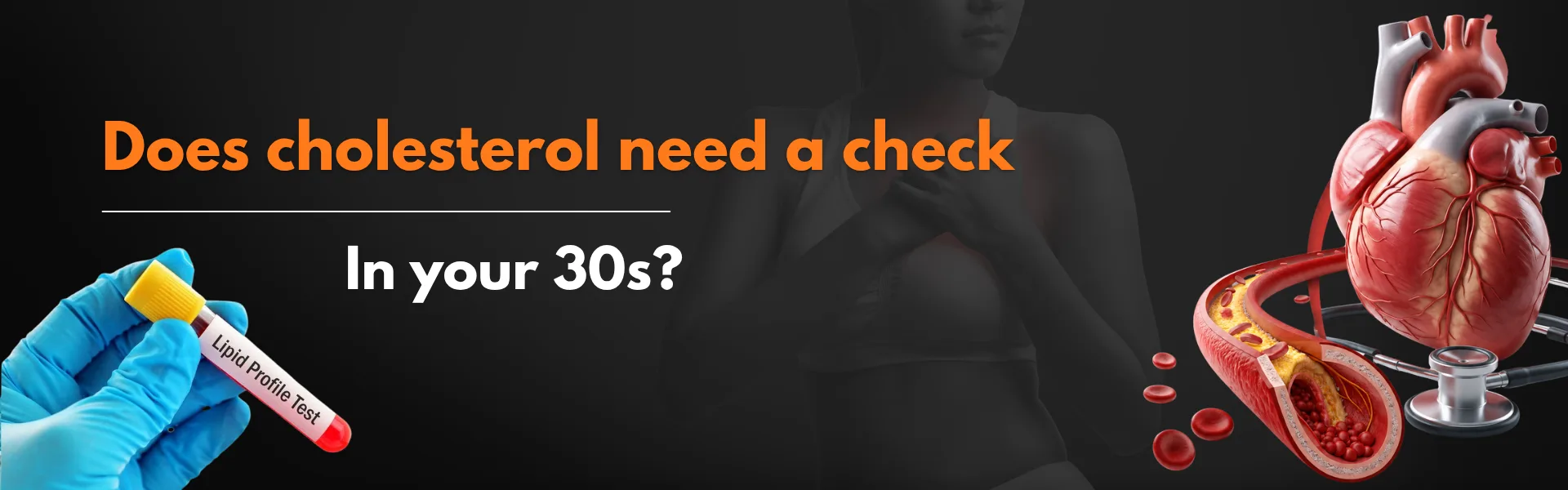
Does Cholesterol Need a Check in Your 30s?
It is the middle age, when plaque starts to deposit in the arteries.
Cholesterol levels must be controlled from the 30s.
High cholesterol levels are a silent killer.
It remains asymptomatic for years.
It shows up in the form of a heart attack or stroke, years later.
Proactive Cardiac Care – Early Statin Therapy
Cholesterol levels (LDL) are directly linked to cardiac health.
The cardiovascular risk is determined based on –
- cholesterol levels
- metabolic dysfunction
- family history
- genetics
- smoking
- Weight, etc.
10-year or elevated 30-year risk factors are evaluated.
The risk factors are classified as low, medium, or high.
The updated guidelines for LDL levels to be targeted-
- Below 100mg/dl –for people at borderline risk
- Below 70mg/dl – for intermediate risk
- Below 55mg /dl – for low-risk people
Prescribing statins in your 30s significantly lowers the risk of cardiovascular issues.
Statins are the first-line therapy due to several benefits –
- Lower cholesterol (LDL) synthesis in the liver.
- Reduce inflammation
- Stabilize existing plaque in the artery walls
- Excellent safety profile
The low LDL levels prevent-
- The accumulation of plaque in the arteries.
- It prevents atherosclerosis.
- It reduces the long-term risk of blockage
- Reduces risk of heart attacks and strokes.
Affordable range of Statins
Aprazer Healthcare is the leading drug manufacturer.
We manufacture a range of generic statins.
- Atorvastatin
- Rosuvastatin
- Simvastatin
Types of anti-cholesterol medicines
- Statins – They inhibit the reductase enzyme in the liver.
It reduces cholesterol formation.
It is a widely prescribed drug.
It is highly safe and effective.
- Cholesterol absorption inhibitors –
Reduce the cholesterol in the small intestine.
It reduces its absorption.
- Injectable medications-
It is injected in conditions of very high cholesterol levels.
It clears the cholesterol from the body.
- Bile acid sequestrants –
It binds to the bile that is excreted.
It increases the utilization of blood cholesterol.
- ACL inhibitors – It lowers LDL formation in the liver.
It is used by people who cannot use statins.
- Fibrates – These lower triglycerides. They increase good cholesterol levels.
- Niacin – A vitamin regulating lipids.
Why get cholesterol levels tested?
Increased cholesterol levels remain asymptomatic.
Annual testing is required for people of all age groups (above 30 years).
Frequent testing is required for –
- Family history of cardiovascular disease
- Existing health conditions
- obesity/smoking
Aprazer Healthcare – Manufacturing Lipid-Lowering Drugs
Aprazer Healthcare, as the drug manufacturer, manufactures a range of cardiovascular drugs.
Our product portfolio consists of –
- Anti-hypertensive drugs
- Lipid-lowering drugs
- Blood thinners
Adhering to the highest manufacturing standards, we are a global drug manufacturer.
We export life saving medicines and affordable generics to countries worldwide.
We are the drug exporters to Africa and Asia.