
The 3 Habits Affecting Your Liver Besides Alcohol

The liver has been the master organ.
It regulates the entire body’s functioning.
The liver has the power to regenerate itself.
Liver is a resilient organ, yet the modern liver’s health is at stake.
Alcohol is usually termed as damaging the liver.
But ironically, advanced liver diseases have now been found in people without alcohol use.
Age is no longer a bar to declining health.
A young guy of 18 years of age and an adult of 65 years of age share the same disease profile.
At Aprazer Healthcare (Hepatology medicine manufacturer), we are focused on manufacturing advanced liver care drugs.
We strive to delve deep to understand the modern-day complexities causing a rise in liver disorders.
What is causing the rise in liver diseases?
Liver health does not decline overnight.
Long- term health is built on daily habits.
The modern-day challenges not only affect mental health, it equally degrades physical health.
It is cutting down the overall health.
The habits of undisciplined eating, sedentarism, and stress are taking a toll on health.
How synthetic diets affect the liver?
Our liver is designed to filter the natural diet.
The processed food, refined carbs, fried foods, and extra sugars lead to an increased workload.
The synthetic products increase the level of toxins, overloading the liver.
The liver is not able to perform its functions of fat breakdown.
The fats accumulate in the liver.
The youngsters constantly serving the junk and the processed items, when tested, show an early start of liver degradation.
Why does lack of sleep stress the liver?
Sleep influences overall well-being.
Besides cognition or energy, it affects the organs, too.
Sleep is the natural time when the body heals.
It is a time for the body to repair cells and metabolism.
The liver filters toxins during the rest stage.
The lack of sleep shuts the repair window.
The body is not able to heal.
The liver starts to accumulate toxins and fats in itself.
No rest is no break to the body’s machinery.
Can chronic stress form a vicious cycle, damaging the liver?
Long-term stress at the workplace, households increases a burden on the mind.
It brings a hormonal shift.
It deregulates the endocrine.
It increases the level of cortisol and inflammation, which in turn slows the liver’s functioning.
The excess stress alters the entire process of the body cycle-
- It disrupts sleep
- It leads to binge eating /skipping meals.
- hormonal imbalance
It forms a triad, severely increasing the workload on the liver.
Conclusion –
The modern lifestyle and the ease of life cannot be completely refrained from.
Balancing is the key to moderation.
Key driver to good liver health- managing the triad
Stress, diet, and sleep

Why Do Pharmaceutical Manufacturers Choose Lyophilization for Injectables?
The process of lyophilization has made the storage and handling of injectable comparatively easy.
The lyophilized products are lightweight and do not require refrigeration.
It significantly reduces the cost of transport, storage, and handling.
It removes the need for cold chain supply systems.
Lyophilized injections, and the process of lyophilization-
The lyophilized injections are the freeze–dried powders.
These are reconstituted to form a liquid solution.
Lyophilization is the process of freeze- drying.
The liquid formulation is frozen to form a solid cake.
Reducing the pressure, it is dehydrated to remove the moisture.
It is filled in airtight vials.
How does lyophilization enhance the shelf life of injectable?
Removing the moisture from the product, rendering it in cake or powdered form, extends the shelf –life by rendering stable formulations.
- Eliminates risk of moisture degradation
- Prevents chemical reactions.
- Does not require harmful preservatives.
- It maintains chemical integrity.
What are the benefits of lyophilization for storage and distribution?
Lyophilized injections are easy to handle/transport in hospitals and healthcare providers.
- They eliminate the need for cold-chain storage.
- It reduces complicated logistics for supply.
- The caked powders have extended shelf lives.
- It eases stock management.
- Can be quickly reconstituted in emergencies.
- Reduced risk of contamination.
- Reduced risk of chemical degradation.
The applications of lyophilization in injectable-
The lyophilization technique is widely used for manufacturing complex, high-stakes cancer drugs.
It is widely used to develop –
- Chemotherapy injections
- Targeted biologics
- Antibody-drug conjugates
- Antifungal injections
- Antiviral injections
- Antibiotic injections
Aprazer Healthcare – Redefining Drug Delivery
As the leading drug manufacturer, we manufacture a wide range of injectables in oncology and critical care range.
We manufacture advanced formulations-
- Prefilled syringes
- Lyophilized formulations
- RTU- injections
Our flagship chemotherapy injections are available in lyophilized formulations.
- Doxorubicin hydrochloride injection – Dorucin 10mg
- Dacarbazine injection – Dacarzer 200mg
- Carboplatin injection – Carbokast 150mg
Choose Aprazer Healthcare for lyophilized injection manufacturing-
- WHO-GMP certified manufacturing plant.
- Advanced lyophilization capabilities.
- Aseptic manufacturing
- Stringent quality control and quality assurance
- Skilled working professionals.
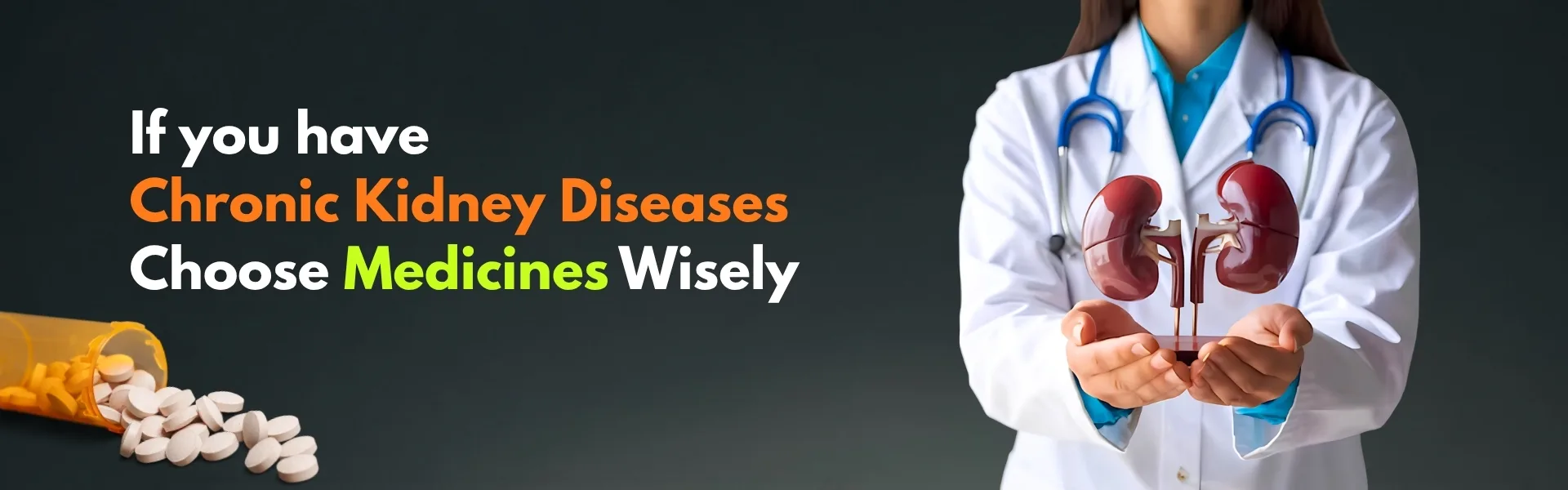
If you have Chronic Kidney Diseases – Choose Medicines Wisely
CKD is a condition in which kidney function is impaired.
The kidney is unable to filter the blood or waste.
When the kidney is already strained, using certain medications may lead to overload.
It may significantly cause renal injury.
It becomes crucial to know what is safe and what is not.
The medicines to be used cautiously in CKD –
Pain killers – They cause vasoconstriction. It interrupts the flow of blood to the kidney.
It increases blood pressure. It can cause fluid retention. It leads to cardiac troubles.
Diabetes Medications – The reduced function of the kidney causes the accumulation of drugs.
It can lead to hypoglycemia and fluid retention.
Antibiotics /Antifungals / Antivirals – The accumulation of drug lead to toxicity.
The dose must be adjusted as per the condition.
Cardiac /blood pressure medicines –
Not all blood pressure medicine damages the kidneys.
Many help manage functions.
The dose must be adjusted in CKD patients.
Certain medications can –
- Increase potassium levels
- Electrolyte imbalance
- Dehydration
PPIs/Antacids – These are widely used OTC medicines for gastric acid issues, GERD, or heartburn.
Longer use of antacids containing calcium, aluminum, etc., can cause an electrolyte imbalance.
It can cause acute renal injury.
Anticoagulant medicines – It increases risk of bleeding.
Reduced kidney function retains the medicine in the body.
It reduces its excretion.
Osteoporosis medicine- It can lead to hypocalcaemia.
The body is unable to process enough calcium.
Awareness is important in CKD patients-
Often involved in self-medication or using supplements may not suit your kidneys.
Managing a healthy lifestyle and determining what to use and what not to can significantly lower the disease progression.
- It can prevent complications.
- Improve survival rates.
- Enhance quality of life.
Aprazer Healthcare Specializes in Manufacturing Nephrology Medicines
Aprazer Healthcare is a pharmaceutical company and a global nephrology medicine manufacturer.
With continuous research and drug development, we are focused on manufacturing advanced drug therapies.
Implementing cutting-edge technology, we manufacture an exclusive range of nephrology medicines.
We work to make healthcare affordable and approachable-
- To meet the unmet needs
- To reach the underserved patients.
Our product portfolio consists of –
- Affordable advanced kidney medicines
- Transplant medicines
- Generic medicines
- Antihypertensive combinations
- Nephrology and diuretics

Microemulsion Coating – A Significant Leap from Traditional Film Coating
The microemulsion coating is a nano-coating technique to develop advanced drug formulations.
Compared to standard coatings, it enhances the solubility, bioavailability, and drug release pattern.
Modern drug manufacturing focuses on developing more stable, effective dosage forms.
Aprazer Healthcare – Advanced Drug Manufacturing
At Aprazer Healthcare (pharmaceutical manufacturer), we are focused on developing advanced drug therapies.
Addressing the manufacturing challenges, leveraging advanced technology, we manufacture a range of advanced formulations.
From targeted therapies to controlled–release formulation, we manufacture a comprehensive range of pharmaceutical dosage forms.
What is microemulsion coating?
It is the coating of the drugs with nano-sized dispersions (thermodynamically stable and transparent).
It enhances the –
- Solubility
- Bioavailability
- Absorption
- sustained release
The components of microemulsion coating –
It is a mixture formed by –
- Oil phase
- Aqueous phase
- Surfactants
- Co-surfactants
The oil and the water phases are mixed.
The surfactants are added. They reduce the interfacial tension, rendering stable dispersions.
The emulsion formed consists of small nanoparticle droplets.
The drug is coated with the mixture using the spray drying technique or fluidized bed coating.
What are the advantages of microemulsion coating?
Controlled release formulation –
They encapsulate the drug within the tiny droplets.
These act as a reservoir.
The drug is released as a process of diffusion through the film coating.
It causes a slow and steady release.
Improved Bioavailability –
The poorly soluble or unstable drugs are coated with polymers.
They are – stable, transparent, and colloidal nanoparticle dispersion.
It enhances the permeability and solubility.
Enhanced Absorption –
The nanoparticle or the ultra-fine droplets have a larger surface area.
It increases drug absorption.
Enhanced Distribution –
These are thermodynamically stable mixtures.
These do not form clumps or crystallize at a place.
Protection from degradation-
The coating protects the drug from enzymatic or PH degradation.
Better Patient Compliance-
Microemulsion coating masks the taste or odor of the drug.
It improves compliance.
Increased stability/shelf –life
These are thermodynamically stable. They do not change the phase.
It enhances stability and shelf life.
Increased Drug Load-
It acts as a reservoir for both –
Hydrophilic /lipophilic drugs
Due to the multiphasic system, high concentrations of the drug can be incorporated.
Multi-functional formulation –
It can incorporate multiple APIs by partitioning them between the two phases.
Scalable /cost- effective manufacturing –
They are low-energy systems. They are cheap and faster to produce compared to nanoparticle carriers.
They are thermodynamically stable and less likely to spoil.
They have an extended shelf life.
The Therapeutic uses of microemulsion coatings-
Oncology –
The anticancer drugs are lipid-soluble.
It becomes difficult to dissolve.
The microemulsion coatings enhance the solubility of lipophilic drugs.
CNS Targeting Drugs –
It solubilizes the poorly soluble drugs to cross the lipid cell membranes.
It enhances the permeability and effectively crosses the blood–brain barrier.
The drugs are coated to increase permeation through the nasal cavity.
Anti- infective drugs-
The microfilm coating improves penetration into the targeted site/wound.
They also increase permeation into the bacterial cell.
Pediatric Drugs-
The microfilm coatings mask the taste.
Encapsulating the bitter drugs, using taste modulators, increases patient compliance.
Transdermal Drug Delivery-
Micro-emulsion coatings enhance the drug permeation through the dermal layer.
Acting as a reservoir, it helps control drug release.
Conclusion –
Microemulsion coatings have overcome the formulation barriers like poor solubility, lower permeation, and poor biocompatibility.
It is the transformation of the old drugs to form more stable and faster-acting solutions.
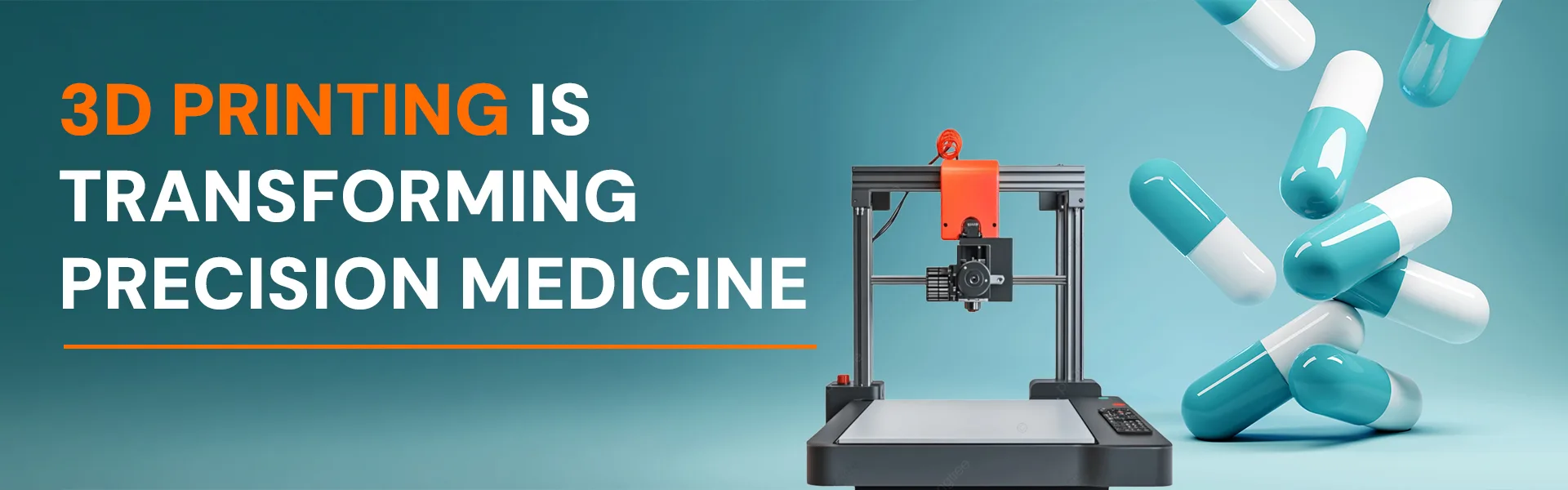
3D Printing of Pharmaceuticals -The Future of Precision Medication
With the era of personalized medicines.
These are tailored therapies.
These are computer-aided designs.
These can be customized rapidly.
It enables personalized medicines and targeted therapies.
The dose is built layer by layer.
It allows for precise and controlled release of medication.
The types of 3D printing pharmaceuticals
Fused deposition modelling-
The polymer is fused and heated through a nozzle.
It is shaped in the form of 3 layers.
It is used for –
- Implants
- Zero-order release tablets
- Gastroretentive floating tablets
Semi-Solid Extrusions –
The substance in semi-solid or semi-molten form.
It is passed through the syringe.
It is compiled in successive layers.
Direct Powder Extrusion-
It is the powdered drug mixture.
It is added to the tailored drug delivery system.
It forms immediate-release tablets.
It leads to uniform drug distribution.
Thermal Inkjet Printing (TIJ)
The micro vapor is passed through a nozzle.
It leads to the uniform distribution of the drug.
It also leads to increased drug loading capacity.
It is used for heat-sensitive drugs.
Inkjet Printing (IP)
It consists of liquid droplets containing API.
It helps to get a continuous flow, rather than clogging.
The formulated ink is printed into-
- Films
- Micro needles
- Contact lenses
Binder Jetting –
In this, the porous material is used for-
- High drug load
- It causes rapid drug dissolution
Light-induced polymerization –
They cause liquid resins in layers.
It causes controlled release.
2 different layers are hardened to form a 3D structure.
It is used for a mould-free micro needle array.
It is used for transdermal drug delivery.
Selective laser sintering –
The powdered material is converted into a solid structure.
The complex geometrics is formed.
It forms non –thermal sensitive products.
3D screen printing-
The materials are combined into semi-solid forms.
It is applied in layers, 10 -150 micrometers.
It is a cold-press system.
It reduces heat-related damage to API.
Melt Extrusion Deposition –
The powdered feedstock is softened.
It is added layer by layer to produce tablets.
These structures enable precise drug release.
It causes delayed, sustained, and pulsed profiles.
The Applications of the 3D printing procedure
- Colon –specific drug delivery
- Micro-Dosing
- Increase solubility
- Enhance bioavailability
- Unique dosage forms
- Non-contact processing
- Better accuracy
Aprazer Healthcare – The Advanced Drug Manufacturer
Aprazer Healthcare is the pharmaceutical manufacturer.
We manufacture drugs using innovative technology.
We are drug exporters.
We manufacture targeted treatments.
We supply medicines across the globe.

Antimicrobial Resistance is Not The Future – It’s a Present-Day Concern
It is not the condition that the body does not respond to antibiotics.
It is caused when the bacteria do not respond to antibiotics.
It is a global health challenge.
The unselective and frequent use of antibiotics has emerged as a threat to effective treatment.
It leads to treatment failure and the spread of the disease.
Ultimately, developing resistance to the drug.
Antimicrobial Resistance- Why and How?
The bacteria or the microbes change their structure.
It gets adapted to the antibiotics.
The medicine becomes ineffective.
It is not able to treat bacterial infection.
Antimicrobial resistance is caused by –
Over prescription/self-medication –
The frequent use of antibiotics.
The self-medication causes an overuse of antibiotics.
Without identifying the strain, these are used over the counter to treat simple flu and viral infections.
Antibiotics in viral infections –
Antibiotics can’t be used for viral diseases.
It cannot cure viral infections.
It causes unnecessary exposure. It provides an opportunity for the bacteria to develop resistance.
Incomplete treatment – It leaves the viable bacteria.
The remaining microbes lead to the development of resistance.
Overuse of antibiotics –
The use of pesticides in agricultural processes.
The antibiotics in cow milk.
It causes an accumulation of antibiotic content in the body.
It increases the risk of developing resistance.
Insanity and unhygienic –
The contaminated water and surface.
It is the breeding area for resistant bacteria.
Incorrect use of antibiotics –
Not using a specific antibiotic for the particular strain.
It increases the risk of resistance.
How does antimicrobial resistance lead to treatment failure?
The development of resistance to the bacteria renders the following effects-
It leads to inefficacy of the treatment.
It causes the spread of bacterial infection.
It leads to the use of stronger antibiotics for infections.
It advances the disease to chronic and complex conditions.
Aprazer Healthcare – Manufacturing a range of antimicrobial drugs
Aprazer Healthcare is leading pharmaceutical company.
It is the largest drug manufacturer.
We continue to invest in research and drug development.
We have robust R&D facilities.
Aprazer Healthcare is at the forefront of developing new drug molecules.
Our antimicrobial range consists of –
- Antibiotics
- Antibiotic injectable
- Antiviral
- Anthelmintic

Why does WHO advise against non–sugar sweeteners?
Non–calorie sweeteners are extensively used in weight loss regimes.
Often, diabetics, to satisfy their sweet tooth, rely on artificial sweeteners.
Artificial sweeteners are usually found in all packaged foods.
Not only adults, but children are also using it excessively in the form of processed food items.
It is one of the major reasons for obesity disease, type -2 diabetes, increasing in children.
It becomes important to be aware of the lifestyle changes that adversely affect health.
At Aprazer Healthcare (pharmaceutical manufacturer), we believe that healthcare extends beyond medication and diagnosis.
Proactive measures play a significant role in disease prevention and management.
Leveraging the cutting –edge technology, we are focused on manufacturing advanced medicines focused on lifestyle disorders.
We are the leading life –saving medicine manufacturer and exporter from India.
Commonly used sweeteners –
Sweeteners are used to prepare food items.
It includes a wide range, from bakery food to beverages.
- Aspartame
- Sucralose
- Saccharin
- Acesulfame Potassium
- High fructose corn syrup
Where are artificial sweeteners used?
Marketed food items-
These are widely used as these sweeteners are 100 times sweeter than sugar.
They offer a cost-effective option.
They are used in small amounts compared to sugar.
They are lower in calories.
These are heat-stable and have longer shelf –life.
Weight management – The artificial sweeteners are calorie-deficient products.
They bring the sweet taste without fat gain.
Diabetes – They do not bring an immediate sugar spike.
It is used for the sweet taste.
Artificial sweeteners are an unhealthy choice. Why?
When used for the short term, it may be a healthy option.
Long-term use leads to several repercussions.
It increases the risk of-
- Type -2 diabetes
- Hypertension
- Obesity
- Heart problems
- Stroke
- Mood changes
- Depression
- Anxiety
Metabolic deregulation –
It leads to cravings.
It causes overeating.
It causes insulin resistance.
It increases hunger.
Gut issues –
They change the gut microbiota.
This leads to depletion of healthy bacteria.
It leads to inflammation in the gut.
It causes bloating and diarrhea.
It can cause IBS.
Cardiovascular issues-
Many sweeteners increase the risk of stroke, blockage, and heart attack.
They increase the platelet formation.
It thickens the blood.
It disrupts the flow of the blood.
Neurological issue-
They cause inflammation in the brain and gut.
It affects the neurotransmitters.
It leads to –
- Mood swings
- Anxiety
- Depression
They release free radicals, damaging brain cells.
Understanding the additive nature of artificial sweeteners-
Excessive sugar use may increase its liking and craving.
It releases dopamine in the brain.
It brings a hike in sugar and the neurotransmitter.
It causes a state of temporary happiness.
After a temporary effect, sugar comes down.
It leads to a craving.
The unnatural sweeteners are much sweeter than sugar.
It leads to the release of a large amount of dopamine in the brain.
Sugar addiction is real in children.
Children unknowingly fall prey to the vicious circle of sugar addiction.
It is available in all the marketed food items.
The symptoms that the child is regularly eating processed items include-
- Aggression
- Hyperactivity
- Anxiety
- brain fog
Moderation is important. The diet should be focused on using natural sugars.
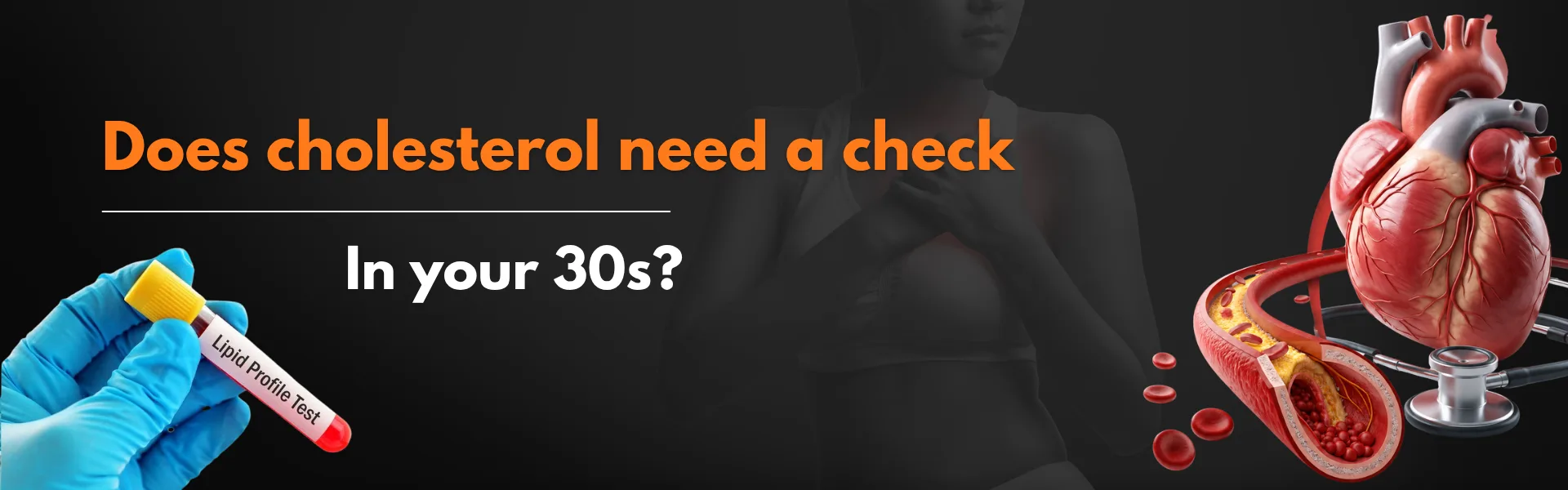
Does cholesterol need a check in your 30s?
It is the middle age, when plaque starts to deposit in the arteries.
Cholesterol levels must be controlled from the 30s.
High cholesterol levels are a silent killer.
It remains asymptomatic for years.
It shows up in the form of a heart attack or stroke, years later.
Proactive Cardiac Care – Early Statin Therapy
Cholesterol levels (LDL) are directly linked to cardiac health.
The cardiovascular risk is determined based on –
- cholesterol levels
- metabolic dysfunction
- family history
- genetics
- smoking
- Weight, etc.
10-year or elevated 30-year risk factors are evaluated.
The risk factors are classified as low, medium, or high.
The updated guidelines for LDL levels to be targeted-
- Below 100mg/dl –for people at borderline risk
- Below 70mg/dl – for intermediate risk
- Below 55mg /dl – for low-risk people
Prescribing statins in your 30s significantly lowers the risk of cardiovascular issues.
Statins are the first-line therapy due to several benefits –
- Lower cholesterol (LDL) synthesis in the liver.
- Reduce inflammation
- Stabilize existing plaque in the artery walls
- Excellent safety profile
The low LDL levels prevent-
- The accumulation of plaque in the arteries.
- It prevents atherosclerosis.
- It reduces the long-term risk of blockage
- Reduces risk of heart attacks and strokes.
Affordable range of Statins
Aprazer Healthcare is the leading drug manufacturer.
We manufacture a range of generic statins.
- Atorvastatin
- Rosuvastatin
- Simvastatin
Types of anti-cholesterol medicines
- Statins – They inhibit the reductase enzyme in the liver.
It reduces cholesterol formation.
It is a widely prescribed drug.
It is highly safe and effective.
- Cholesterol absorption inhibitors –
Reduce the cholesterol in the small intestine.
It reduces its absorption.
- Injectable medications-
It is injected in conditions of very high cholesterol levels.
It clears the cholesterol from the body.
- Bile acid sequestrants –
It binds to the bile that is excreted.
It increases the utilization of blood cholesterol.
- ACL inhibitors – It lowers LDL formation in the liver.
It is used by people who cannot use statins.
-
- Fibrates – These lower triglycerides. They increase good cholesterol levels.
- Niacin – A vitamin regulating lipids.
Why get cholesterol levels tested?
Increased cholesterol levels remain asymptomatic.
Annual testing is required for people of all age groups (above 30 years).
Frequent testing is required for –
- Family history of cardiovascular disease
- Existing health conditions
- obesity/smoking
Aprazer Healthcare – Manufacturing Lipid-Lowering Drugs
Aprazer Healthcare, as the drug manufacturer, manufactures a range of cardiovascular drugs.
Our product portfolio consists of –
- Anti-hypertensive drugs
- Lipid-lowering drugs
- Blood thinners
does-cholesterol-need-a-check-in-your-30sAdhering to the highest manufacturing standards, we are a global drug manufacturer.
We export lifesaving medicines and affordable generics to countries worldwide.
We are the drug exporters to Africa and Asia.
Complex Generics – The Advanced Drug Manufacturing
Changing lifestyle and the rise in diseases has fled the demand for generic medicines.
The emerging economies rely on generic drugs for affordability and availability.
The generic drugs offer cost-effective alternatives with the same clinical outcomes.
The healthcare system is shifting towards precision and targeted therapies.
Pharmaceutical manufacturing is transitioning to develop advanced therapy medicines and complex generics.
Complex generics are generic drugs, manufactured with the latest advancements in novel drug delivery systems, offering a targeted approach.
Aprazer Healthcare – The Generic Drug Manufacturer
Aprazer Healthcare is at the forefront of manufacturing advanced drugs.
- Complex generics
- Branded generics
Leveraging cutting-edge technology, we manufacture the new treatment drugs.
We specialize in manufacturing –
- Modified release tablets/capsules.
- Pre-filled syringes
- RTU technology injections
We are generic drug manufacturers; we are global exporters of a large range of pharmaceutical products.
What are generic drugs?
Generic drugs are medicines that are brand equivalent.
They have the same therapeutic efficacy, safety, and strength as the branded drugs.
Branded drugs are patent medicines manufactured or invented by the company that owns the patent.
These are developed by extensive research and the drug development process.
The manufacturing company retains the rights to manufacture the drug.
They are higher in cost.
What are complex generics?
These are the brand equivalent drugs that contain complex APIs, formulations, and dosage forms.
The various forms include-
-
- Complex dosage forms – Transdermal patches
- Drug – device combination – Inhalers, Auto-injectors
- Complex API – Peptides, liposomes
- Modified release mechanisms- controlled release formulations
- Locally acting drugs – creams, ophthalmic preparations, etc.
Challenges in manufacturing complex generics
The manufacturing of advanced therapy drugs involves both technological and regulatory advancements.
The hurdles faced in manufacturing complex therapeutics include-
Technical complexity –
Manufacturing complex products requires complex equipment and advanced technology.
It requires multi-step controls and testing compared to standard medicines.
Clinical studies required – The development of a complex system requires human trials compared to a conventional drug system.
Patent hurdles – Manufacturing device combination may include a patent or copyright for the use of a device component or parts.
Undeveloped regulatory standards – The regulatory systems are not developed to approve advanced drugs. It leads to delays and failures.
Scale up and process consistency – scaling up complex manufacturing processes and maintaining consistency add up to the rigor.
The development of complex therapeutics requires high investment costs.
Aprazer Healthcare is the leading manufacturer of complex generics.
With world-class infrastructure, Aprazer Healthcare aligns with the latest technological advancements.
A Guide to CTD and DMF Files for Pharma Importers
These are the two documents that are important to import a pharmaceutical product into the destination country.
It ensures that the product to be imported is safe and efficient to be sold in the desired market.
It gives marketing access to the importers for the product.
The two files contain standard steps to harmonize the quality and safety of the products, opening gateways to countries worldwide.
What is CTD (Common Technical Document)?
It is a set of documents that is submitted to the regulatory authorities.
It consists of applications for the authorization to market the pharmaceutical product.
It is developed by the International Council of Harmonization that a single dossier shall be submitted to different regulatory bodies.
It consists of 5 modules.
Module 1 is specific to the country.
The other module remains the same for all the regions.
- Module 1 – It specifies the local labeling or the prescribing content as per the country.
- Module 2 – It summarizes the quality of the finished product.
- Module 3- It consists of the complete details of chemicals used, quality controls, and manufacturing processes.
- Module 4 – It contains all the non- clinical study reports.
- Module 5 – It includes the clinical study reports.
What is DMF (Drug Master File)?
It is a confidential document.
It is submitted by the manufacturer.
It consists of the manufacturing details of the API, intermediates, and the packaging material.
It consists of –
- Details about the API, its synthesis, and processes.
- Manufacturing facility layout, manufacturing processes used.
- Quality protocols, stability, shelf life, etc.
Why is it required for importers?
Importers need these 2 documents to ensure legal compliance-
- It is required to approve a new product in the market.
- It is proof of quality.
- It ensures the ingredients used are pure, safe, and stable.
- It protects intellectual property rights.
- It streamlines the global entry.
- Verify batch consistency and purity.
- build trust based on assured quality
Aprazer Healthcare Steadfast Import Approvals
Aprazer Healthcare navigates the regulatory processes without undue delays.
- Submitting dossiers
- Obtaining authorizations.
We maintain stringent quality parameters and standardized manufacturing processes.
By submitting true and unbiased information, we work in the interests of the stakeholders.
Our foundation, built on consistency and reliability, makes us the leading healthcare partners.
We are a leading pharmaceutical exporter to Asia, Africa, and South America.