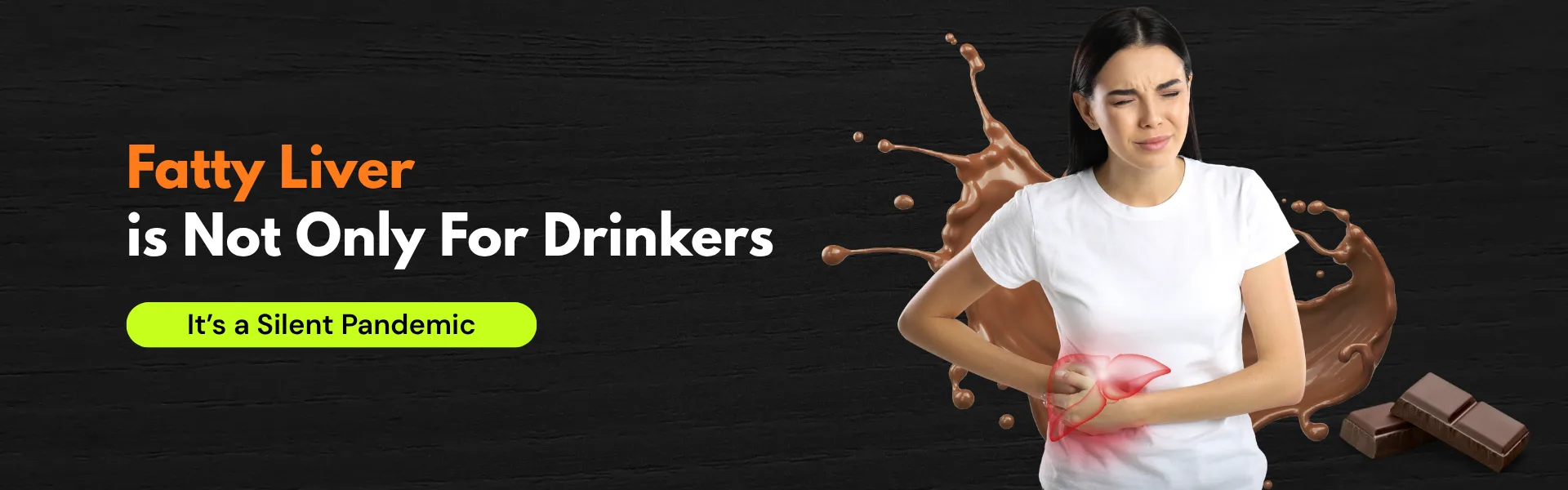
Fatty Liver is Not Only For Drinkers; It’s a Silent Pandemic

Munching on a chocolate bar or grabbing a pair of chips, the youngsters are unaware of getting trapped in a chronic syndrome.
Fatty liver is silently hitting the youth. It is no longer a disease confined to old age.
It is rapidly rising, affecting the majority of young girls and boys at the age of school or college.
The conundrum is that the condition remains silent.
The condition gradually reaches the advanced stages.
Know the fatty liver disorder –
It is a chronic liver condition.
It starts from the accumulation of fat in the liver.
It can cause tissue scarring and advanced liver disorder.
The high amount of fat can cause inflammation.
It causes tissue injury.
What are the fatty liver types?
Alcoholic Fatty Liver –
Fatty liver is usually caused by alcohol.
Alcohol reduces fat metabolism.
It causes fat deposits in the liver.
Non Alcoholic Fatty Liver –
The accumulation of fat in the liver is due to metabolic dysfunction.
The liver function gets impaired due to –
- Obesity
- Diabetes
- High lipids
Why is fatty liver disease happening more in the young?
Lifestyle is the leading factor.
The prolonged hours of desk jobs combined with processed food.
Use of excessive salts and sugars.
Poor sleep habits combine to cause-
- Metabolic dysfunction.
- Distorts glucose metabolism
- Disrupts fat breakdown
Fatty liver causes other than alcohol-
Obesity/excess weight –
The excess fat settles in the liver tissues.
It can lead to inflammation.
It often causes insulin resistance.
Poor diet –
The high intake of processed food.
The extra calories get accumulated as fat.
The body is unable to metabolize glucose. It deposits in the form of fat.
Metabolic disorders –
These interfere with insulin sensitivity.
Inhibits fat breakdown.
It causes excess fat production and its accumulation in the liver.
Physical inactivity-
Due to reduced physical activity, the fat is not metabolized or burned.
The fat gets stored in the liver.
It leads to liver dysfunction.
Rapid weight loss diets-
It overloads the liver to burn excessive fats.
It causes inflammation.
Fat breakdown causes fatty acid influx.
It can cause nutritional deficiency.
It causes the liver to work hard.
What are symptoms of fatty liver?
At an early stage the fatty liver does not show symptoms.
It progresses to form advanced disease.
- Fatigue and weakness
- Abdominal pain
- Fluid retention
- Loss of appetite
- Unusual weight loss
The treatment and medicines used in fatty liver –
The fatty liver can be reversed by changing lifestyle and habits.
Improving diet and exercise can cause a reversal.
The advanced stages include the use of liver supportive medicines like –
Udikast 300 – Ursodeoxycholic acid tablets
Ocabest 10 – Obeticholic acid tablets
Aprazer Healthcare – Pioneering Liver Medicines
Aprazer Healthcare is the leading pharmaceutical manufacturing company.
We are focused on manufacturing drugs targeting liver diseases and the underlying causes.
We have top-class R&D infrastructure.
Aprazer Healthcare is a major player in manufacturing advanced liver care medicines.
We specialize in manufacturing oncology treatment drugs for liver cancer.
We are the largest hepatology medicine manufacturer.
We manufacture drugs for chronic liver diseases like –
- Hepatitis B
- Hepatitis C
- Primary biliary cholangitis
- Fatty liver

Aprazer Healthcare (pharmaceutical manufacturer) – Affordable Hepatitis B Protection in Pregnancy
Aprazer Healthcare stands at the forefront of manufacturing affordable hepatitis B medicines that are widely used for prophylactic treatment to reduce the risk of transmission in pregnancy.
We wish every child born is safe and healthy. Reaching the global platform, we ensure affordable treatment reaches the needed.
The hepatitis B virus in the mother is unsafe for the newborn.
It can be easily transmitted.
Having hepatitis B previously increases the risk manifold.
The virus remains dormant for years.
It may not show in the blood, but the liver cells significantly have the virus.
Even people who have no viral symptoms are at risk of transmission.
Unknowingly, it gets transferred to the newborn.
Timely diagnosis and prevention become crucial.
Can we prevent Hepatitis B transmission from mother to child?
Screening – The mother needs to get screened for viral loads before planning a pregnancy.
The women with high viral loads must start antiviral treatment.
Antiviral treatment – The antiviral medicine consists of regular use of tenofovir.
It starts from the 3rd trimester.
It extends several months after delivery.
The prophylactic antiviral drug widely used during Hepatitis B pregnancy –
Tenofovir Alafenamide tablets – Tafsure, Tafnext
It is the newer generation drug to reduce (hepatitis B) viral load in pregnancy.
It has targeted action. It reduces the viral count in the liver.
It has a better safety profile.
It has less renal toxicity.
It has low bone loss side effects.
Post birth treatment- Immediately after birth, the child is given immunoglobulin shots.
The first vaccine must be given within 12 hours.
The neonate should be given 2 or more vaccines within a time frame.
The course should be completed.
The child should be monitored after every vaccine dose.
The regular monitoring should be done annually.
Can a hepatitis B mother breastfeed the baby?
It is generally safe to breastfeed the child.
The virus is transmitted through – blood, body fluid, or semen.
It does not pass in milk.
Nipples should not be cracked.
They must not have open sores or bleed.
Conclusion –
Hepatitis B transmission from mother to child can be highly prevented.
Early screening becomes mandatory.
It helps identify and rectify the hepatitis B transmission.
Proper vaccination and prophylactic treatment can significantly reduce the risk of transmission to zero.
Aprazer Healthcare – Innovating Hepatitis B Treatment
Aprazer Healthcare manufactures the widest range of Hepatitis B medicines.
We are an Indian hepatology medicine manufacturer, supplying hepatology medicines to the international markets.
We are the trusted hepatitis B medicine manufacturer.
We are relied upon and authenticated for manufacturing affordable, quality – efficient medicines.
Our product catalogue consists of –
Tafnext – Tenofovir Alafenamide 25mg Tablet
Entecor 0.5 – Entecavir tablet
Tudobest – Tenofovir disoproxil fumarate tablet

Know how stress and lack of sleep accelerate HIV progression?
Immunity is the targeted point of attack by HIV.
The advanced anti-retroviral drugs successfully suppress the viral load.
Despite the controlled viral load through anti-retroviral therapy, the lack of sleep and chronic stress accelerate the HIV progression.
At Aprazer Healthcare (HIV medicine manufacturer), we believe HIV management extends beyond viral suppression.
Patient awareness becomes crucial for holistic wellness.
As the leading pharmaceutical manufacturer, we aim to break the financial constraints, manufacturing an affordable range of generic HIV drugs.
We are the leading drug exporter of HIV drugs from India.
How do sleep deprivation and stress affect immunity in HIV?
Sleep- stress cycle depletes the immune functions.
It double hits the immune system along with HIV.
It leads to neuroendocrine dysregulation.
It increases low-grade inflammation, increasing the burden on the immune system.
The prolonged stress and inflammation lead to cell death.
It reduces the immune cell count.
Manage stress, sleep, and immunity in HIV infection-
Strict adherence to the anti-retroviral therapy is the foundation for HIV treatment.
The best results are achieved when it is combined with targeted
Lifestyle changes-
Managing sleep and stress directly boosts CD4 cell count.
- Limit screen time
- Set a fixed sleep/wake-up schedule
- Stress management exercises
- Physical activity
- Proper diet
- Avoid tobacco
- Limit caffeine near to bed
The trio increases the risk of a heart attack. How?
It overly activates the hypothalamic-pituitary axis.
It causes excessive secretion of inflammatory kinases.
These damage the arterial wall.
It increases the heart rate.
The persistent immune activation increases wear and tear of the blood vessels.
It increases the blood pressure.
It increases the risk of a heart attack caused by oxygen demand – supply imbalances.
The highly prescribed HIV medicines worldwide-
- Abakast L –Abacavir and lamivudine
- Lamipure– Lamivudine
- Lopikast – Lopinavir /ritonavir
- Temirazer- Tenofovir Disoproxil Fumarate, Emtricitabine
- Tudobest L – Tenofovir Disoproxil Fumarate ,Lamivudine
- Tudobest LE- Tenofovir Disoproxil Fumurate, Efavirenz,Lamivudine Tablets
- Virarazer – Tenofovir Disoproxil Fumurate, Emtricitabine ,Efavirenz Tablets
Aprazer Healthcare – Leading the fight against HIV with affordable solutions
How Important is WHO-GMP for Patient Safety?
It is the fundamental quality testing.
It is used globally by the pharmaceutical manufacturers to ensure patient safety and quality.
It’s the global health standard. It is accepted worldwide.
What is WHO-GMP certification?
It is the World Health Organization – Good Manufacturing Practices
WHO –GMP certification of the pharmaceutical manufacturing company, ensures its reliability.
It assures that the drugs manufactured are of-
- Standard quality
- Safe to use
- Effective and accurate dose
It confirms that the manufacturing unit follows strict quality and safety protocols.
How is WHO-GMP different from normal quality testing?
WHO -GMP qualifies and tests the entire manufacturing process.
It ensures the quality from the raw material to the final product.
It is a good manufacturing practice to be followed by the drug manufacturers.
It assures patient safety, quality, and reliability.
The normal testing assures the final product quality.
WHO- GMP adherence ensures the product manufactured is safe.
It follows a stringent process of formation.
Even without testing it ensure safe and effective preparations.
How WHO- GMP ensure medicine quality and safety?
WHO guidelines indicate a proactive strategy to mitigate potential risk and errors.
Strict Hygiene Protocols-
WHO –GMP lays strict guidelines to ensure sterile and safe products.
It lays out cleaning processes of the equipment and the manufacturing areas.
It implements the use of a controlled environment with particulate control. It prevents microbial contamination.
- Using air filters (HEPA)
- Positive air pressures
- Unidirectional air flow
- using sanitizable surfaces
Batch to Batch Consistency –
WHO recommends a standard procedure for manufacturing different batches.
It ensures consistent quality and dose accuracy between the two batches.
Purity and stability of the medicines –
It suggests raw material testing, stability studies to ensure shelf–life.
Traceability and Accountability-
WHO recommends maintaining comprehensive documentation from the procurement of the raw material to the launch of the product in the market.
It includes –
- Manufacturing protocols
- Packaging protocols
- Equipment logs
- Calibration records
- Batch distribution records
- Transportation logs
- Storage records
Aprazer Healthcare’s Commitment to WHO–GMP Standards
Aprazer Healthcare is the top pharmaceutical manufacturing company.
We are focused on manufacturing global quality products.
We have WHO-GMP certified manufacturing facilities.
With strict adherence to the quality standards, we are focused on manufacturing safe and effective medicines.
Using high-quality API and robust quality controls, Aprazer Healthcare is a global name in manufacturing top-quality pharmaceutical products.
Our group of trained professionals ensures precision and care at every step of the manufacturing process.

Life after Cancer Treatment – Managing Side Effects
Cancer treatment does not promise complete remission.
It often comes with several doubts in the mind.
How to have a quality life after cancer treatment?
How long do the side effects remain?
Will this cancer recur?
Life after cancer is more than a physical treatment.
It significantly affects both mental and emotional well-being.
It is a second chance at a new life.
The physical challenges after cancer treatment –
The post-treatment cancer recovery is a long-term journey.
It involves a complex healing process.
Some days feel like fatigue is gone, but it returns on other days.
The effects caused by cancer treatment include –
- Persistent fatigue
- Nerve pain and numbness
- Weight changes
- Scarring or loss of body parts
- Swelling in arms or legs
- skin changes
- pain and mobility issues
Management tips to boost physical recovery after cancer treatment-
Pain and fatigue can be maintained through various restoration processes-
- physiotherapy
- yoga
- exercise
- Antioxidant rich diet
- Compression therapy. It reduces swelling.
Reconstructive surgeries for lost body parts.
Resistant exercises to maintain muscle mass.
The emotional challenges after cancer treatment –
Adjusting to a new normal is never a linear process.
Loss of identity or body part often leads to social distress.
Loss of hair, changes in body weight can lead to low self –esteem.
Feeling disrupted from the social circle.
Fear of recurrence.
Chemo brain is one of the ignored effects.
- Memory loss
- Mental fog
- Reduced focus
- Difficulty in multitasking
The management for emotional health includes –
- Counselling sessions
- practice mindfulness
- Complete one task at a time
- Meditation
- brain exercises
- using memory aids
Rebuilding health with a holistic wellness plan –
It is important to focus on oneself.
Know your body. Complete heavy tasks at the peak energy times.
Maintaining a strong routine becomes essential, which includes –
- Everyday exercise
- Hydration
- Stress management
- Healthy diet
- Healthy relationship
Aprazer Healthcare – Innovating Targeted Therapy Medicines
As an oncology medicine manufacturer, Aprazer Healthcare manufactures advanced anticancer drugs.
We manufacture a wide variety of targeted therapy medicines that offer fewer side effects.
Leveraging cutting-edge technology, we manufacture innovative anticancer formulations –
- Chemotherapy medicines
- Targeted therapy medicines
- Hormonal therapy medicines
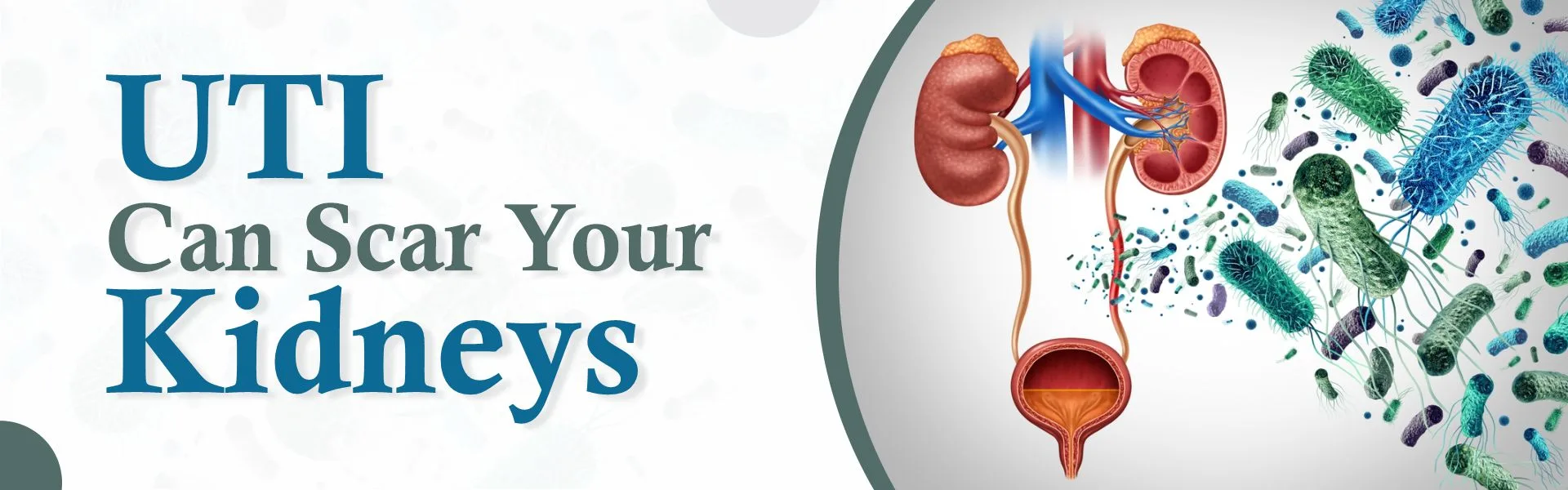
UTI Can Scar Your Kidneys

A urinary tract infection can spread to the kidney. It can cause scarring of renal tissues.
It affects the children most. The delay in diagnosis leads to inflammation and damage.
It occurs in cases of recurrent infections/ severe forms of infection.
What Causes Urinary Tract Infections?
It is the E.coli bacteria. It leads to urinary system infections.
It enters through the urethral opening.
It causes – burning sensation, pain, and increased urination.
How Does UTI Reach the Kidney?
When the infection gets severe. The bacteria from the urethra. It travels upwards to the kidneys.
It causes inflammation in the renal cells. It is often delayed in treatment.
It can lead to renal damage.
The Risk Factors for UTI and Kidney Infections
Delayed treatment is the major reason that leads to renal damage.
1. Females have a short urethra. It can ease the bacterial travel to the kidneys.
In older women, UTIs are common. It is due to the hormonal decline and weakened pelvic floor.
Recurrent infection leads to the kidney.
2. An obstruction to the urinary flow increases the risk of infection.
The blockage can be caused by –
Kidney stone or enlarged prostate
3. Children are prone to UTI infections. It happens due to –
Constipation
Urinary obstruction
Vesicoureteral Reflux- back flow of the urine
4. Medical conditions –
Diseases like diabetes, HIV. It lowers immunity.
It elevates the risk of getting a severe infection.
5. Multiple infections-
When an infection occurs again and again, it causes an additive effect.
It leads to an injury in the kidney.
It can lead to scarring.
6. The long-term use of a catheter can also increase the risk.
It directly opens a passage for bacteria.
7. Unhygienic conditions –
Using public toilets.
Not clearly washing the pubic area.
Not changing intimate clothing.
Why is a Kidney Infection a Serious Condition?
Long-term infection can cause systemic infection. It can cause severe renal injury.
It can lead to tissue scarring.
• It causes high blood pressure.
• Leakage of protein into the urine
• Chronic kidney disorder
• Permanent damage
What Are the Signs That a UTI Has Spread to the Kidneys?
• Very high fever
• Shivering
• Pain in the groin area
• Pain in the back and sides
• Painful urination
• Cloudy urine
• Smelly urine
• Nausea
• Vomiting
The Medicines for UTI
It involves a course of antibiotics –
• Nitrofurantoin
• Fosfomycin
• Cephalexin
• Ciprofloxacin
The Painkillers-
• Ibuprofen
• Paracetamol
Increase water intake. It dissolves toxins. Helps excrete bacteria.
Why Choose Aprazer Healthcare for Kidney Medicines?
Aprazer Healthcare is the leading nephrology medicine manufacturer.
It is the leading pharmaceutical medicine manufacturer.
It manufactures a wide range of products treating infections-
• Antibiotic combinations
• NSAIDS combinations
• Antispasmodic combinations
With multiple manufacturing plants across India, Aprazer Healthcare is recognized as the largest drug manufacturer and exporter.
It manufactures WHO-GMP-compliant drugs.

Childhood Cancer – Types and the Main Treatment
Childhood cancers are increasingly on the rise. The delay in diagnosis is the major reason.
The different types of cancers in children include –
• Blood cancer
• Bone cancer
• Spinal cord cancer
• Other tumors
Chemotherapy forms an essential part of the treatment.
It is highly effective and has better outcomes.
Children can tolerate strong and intensive chemotherapy cycles.
They show faster recovery, which significantly increases the chances of cancer remission and longer survival.
What is Childhood Cancer?
The cancers that occur at a young age.
• Pediatric cancer (0-14 years)
• Adolescent cancer (15 -19 years)
The Difference Between Childhood Cancers From Adult Cancers
It is different from adult cancers.
Adult cancers can be caused by lifestyle or other environmental factors.
Childhood cancers have a genetic origin or some other biological factors.
These cancers are often treatable at the early stages.
What is leukemia?
It is a common type of cancer. It occurs in children below 15 years of age.
It is a white blood cell cancer. The WBCs are produced in excess in the bone marrow.
The white blood cells produced in excess crowd the bone marrow.
It hinders the production of red blood cells and platelets.
The Types of Leukemia –
• Lymphocytic leukemia
• Myeloid leukemia
• Myeloblastic leukemia
The Commonly Used Anticancer Medicines in Leukemia –
Trexager 50 mg (Methotrexate injection)
Cytarzer 1000 mg (Cytarabine injection)
Dorucin 50mg (Doxorubicin injection)
What is Lymphoma?
It is cancer in the lymph nodes/lymphoid system.
It is the excess formation of WBC.
It occurs in lymph nodes, thymus, and spleen.
It includes –
• Non-Hodgkin lymphoma
• Hodgkin lymphoma
The Commonly Used Anticancer Medicines in Lymphoma –
Cyclophosphamide injection
Doxorubicin injection – Dorucin 50
Bleomycin injection – Bleokey
What are Brain Tumors?
It is the second common childhood cancer.
It is the excess growth of glial cells in the brain.
It consists of –
• Astrocytomas
• Ependymomas
• Optic nerve gliomas
• Embryonal Tumors
The Drugs include-
Carbokast 450 mg – Carboplatin injection
Trexager 50 mg – Methotrexate injection
Temzokey 500 mg – Temozolomide capsules
What are Spinal Cord Tumors?
It is the abnormal cell growth in the spinal cord tissue.
It includes –
• Intramedullary tumors
• Intradural tumors
• Extradural tumors
What are Solid Tumors?
It is excess mass growth in tissues or organs.
It includes tumors in the vital organs-
• Bone tumor
• Brain tumor
• Kidney tumor
• Tumor in the eye
• Skeletal muscle tumor
Symptoms of Childhood Cancers-
• Unexplained weight loss
• Chronic pain
• Tiredness
• Lumps or swelling
• Frequent bleeding and bruising
• Severe headache
• Changes in mood
• Digestive issue
• Loss of appetite
• Changes in vision
• Enlarged lymph nodes
The Treatments for Childhood Cancer
Chemotherapy – It forms an important part of the treatment for childhood cancers.
It is given in cycles. It targets the rapidly dividing cells.
It is given before surgery to shrink the tumor.
It is given as adjuvant therapy after surgery.
It can also be given as maintenance therapy.
Surgery is done to remove the tumor.
Radiation therapy is done to reduce the tumor size. It can be done before/after surgery.
Immunotherapy – Antibodies are used to destroy cancer cells.
Stem cell transplant – In this, bone marrow cells are replaced with healthy stem cells.
It then produces new normal blood cells.
Aprazer Healthcare – Pioneering Breakthroughs in Cancer.
Aprazer Healthcare is the leading oncology injectable manufacturer, developing more than 30 cancer molecules.
Through cutting-edge technology and continuous research, and drug development, Aprazer is committed to manufacturing innovative, advanced treatments that match the global health standards.
Developing the widest range of generic anticancer medicines, we are the global exporter of anticancer medicines to 50+ countries.

The Misunderstood Chemotherapy (Cancer Treatment) – Myths/Facts
Chemotherapy is an essential cancer treatment. A widely used cancer therapy.
It significantly improves the survival rates.
However, it causes a few side effects that are often misunderstood.
The common myths include-
1. Chemotherapy is Painful
Chemotherapy is given through different routes (Oral, IV, Intrathecal, intra–arterial).
The most common route is intravenous.
The drugs cause various side effects.
It leads to nerve damage or mouth ulcers.
It causes discomfort and pain.
2. Chemotherapy Makes One More ill
It causes temporary side effects. These effects subside after discontinuation of the therapy.
The side effects are manageable with supportive care.
Chemo causes side effects like-
• Nausea
• Vomiting
• Tiredness
• Hair loss
• Reduced blood count
3. Chemotherapy is Done Only in Advanced Cancer Stages
Chemotherapy is done at different cancer stages-
It is done at early cancer stages to advanced cancers.
It is done before the surgery to shrink the tumors.
The reduced size helps in easy elimination.
Chemotherapy is done after surgery to eliminate leftover cancer cells.
It is also used as maintenance therapy to prevent cancer recurrence.
Chemotherapy is used as palliative care. It is done when cancer is not curable.
It is done in advanced cancer stages to manage cancer symptoms.
4. One cannot Do Daily Routine Work During Chemotherapy
The side effects vary from each other.
It depends upon the dose and the drug.
The supportive care helps manage the effects.
One can easily continue the daily routine.
5. Chemotherapy Permanently Lowers Immunity
Chemotherapy suppresses the bone marrow.
It reduces the formation of blood.
It reduces the WBC count. It can lead to infections.
The drugs destroy even healthy cells. It disturbs gut health.
These are all temporary effects. They improve when the therapy is stopped.
6. Chemotherapy Always Causes Infertility
It can affect fertility in both men and women.
It depends upon the drug and the duration of chemotherapy.
It can cause both temporary issues and permanent infertility.
One must always consult the doctor before chemotherapy.
7. Chemotherapy Always Leads to Permanent Side Effects
Chemotherapy causes several side effects.
Most of them are temporary and improve after the discontinuation of the therapy.
Many of them continue for longer for months or years.
It can severely damage the internal organs.
Continuous monitoring of the therapeutic dose and body functions is required.
8. Chemotherapy Always Causes Bone Loss
Many chemotherapy drugs lead to an imbalance between bone cell formation and bone cell destruction.
It increases the chances of bone fractures/osteoporosis.
This reduction in bone density is effectively managed by supportive cancer therapies/drugs.
The Commonly Used Chemotherapy Medicines
Capecitabine tablets – Capekast 500mg
Temozolomide tablets – Temzokey 100 mg
Carboplatin Injection –Carbokast 150 mg
Cytarabine injection – Cytarzer 1000
Aprazer Healthcare – The Top Oncology Medicine Manufacturer
Aprazer Healthcare is the leading anticancer medicine manufacturer.
We manufacture the widest range of oncology oral and oncology injectable products.
Certified by the WHO-GMP, Aprazer Healthcare manufactures affordable generic anticancer medicines.
As the top oncology orals manufacturer, Aprazer is India’s leading pharmaceutical exporter.
We manufacture global quality pharmaceutical products.
Our affordability makes us approachable.

Polycythemia Extends Beyond Red Blood Cell Cancer
Polycythemia is a rare red blood cell cancer. The increase in RBC count causes several other effects, like metabolic dysfunction of the body, cardiac problems, and neurological problems affecting the overall body functioning.
What is Polycythemia?
It is a cancer of the red blood cells in which bone marrow starts to produce red blood cells in excess.
This causes serious complications, like thickening of the blood that interrupts blood flow.
Symptoms of Polycythemia
• Itchiness and vertigo
• Headache
• Swelling of the joint
• Reddish or purplish skin
• Numbness of hands and feet
• Unusual bleeding
• Pain in the bones
• Shortness of breath
• Trouble with breathing
• Bloating and pain in the upper abdomen
Complications Caused by Polycythemia Vera
Blood Clot – The excess blood cells, thickening the blood and forming clots due to abnormal clumping of platelets. The blood clots increase the risk of cardiac dysfunction, causing heart attacks, strokes, clots in the legs and lungs, causing a life-threatening condition.
Enlarged Spleen – The extra blood cells increase the load on the spleen to increases its surface area to filter more blood. The enlarged spleen causes many gastrointestinal problems, like pain under the ribs, a feeling of fullness after a small meal.
Peptic Ulcers – The abnormal blood cells increase the release of histamine, irritating the stomach lining, leading to ulceration. It leads to the formation of open sores on the intestinal and esophageal lining.
Gout and Kidney Stones – The increased metabolism of the excess red blood cells causes an increase in uric acid production, leading to the formation of gout and stones in the kidney.
It causes pain in the joints and also dark urine or blood in the urine.
Bleeding and Bruising – A small cut or injury leads to excessive blood flow due to an imbalance between platelet count and RBC count, as caused by excess RBC.
Other Blood Disorders – Polycythemia Vera, if untreated, lead to bone marrow scarring and progress to leukemia or Myelodysplastic Syndrome (MDS), producing infectious blood.
Diagnosis of Polycythemia Vera
Polycythemia is diagnosed through various processes and testing-
Blood Test – Total blood count or increased blood volume, low erythropoietin levels, and excess hemoglobin.
Bone Marrow Biopsy – Bone marrow tissue or the fluid is taken from the stem cells to examine the abnormal production of blood cells. It is used to diagnose various blood disorders like lymphoma, leukemia, anemia, etc.
Genetic Testing – DNA testing is done to identify various genetic mutations possible to cause Polycythemia.
Treatment of Polycythemia Vera
Blood Withdrawal – It is the manual removal of the extra blood formed in the body through a vein. It is done regularly, depending upon the severity of the disease.
The blood removal in polycythemia reduces various other complications, like stroke or blood clots.
Low-dose Aspirin – Sometimes low aspirin doses are given to reduce the risk of clotting and stroke.
Targeted Therapy – It includes the drugs that target the mutated genes.
Other Medications – They include medicines for symptomatic relief.
Like – Allopurinol for gout.
Antihistaminic drugs to reduce itching.
Medicines to Reduce Blood Formation
It includes chemotherapy drugs. They inhibit blood cell proliferation in the bone marrow.
Aprahydro (Hydroxyurea Capsules)
It is a widely used medicine for blood cancer.
It starts with a dose of 500mg twice a day.
It inhibits the enzyme that converts RNA to DNA.
It inhibits cancer cell propagation.
It is widely used in –
• Sickle Cell Anemia
• Myeloproliferative Disorders
Busulfan – It directly damages the cancer cell DNA, inhibiting cell proliferation. It is widely used in polycythemia Vera to reduce excessive blood count, in bone marrow transplant, and various other myeloproliferative disorders.
Interferon – It is widely used in young adults or childbearing women for polycythemia, myeloproliferative disorders (PV, ET, myelofibrosis), and other viral infections.
It enhances the immune system and targets the signaling pathway for cancer cell proliferation.
Ruxolitinib – It is used in various blood cancers, targeting the cancer cell proliferation pathway.
It decreases spleen size. It reduces blood cell formation.
Aprazer Healthcare – World Class Manufacturing Capacities
Aprazer Healthcare is the leading anticancer drug manufacturer, developing a range of effective anticancer solutions.
Reaching worldwide with effective, innovative solutions and targeted therapies, Aprazer Healthcare marked a leadership in oncology drug development and is the leading exporter of oncology medicines worldwide.
We are at the forefront in developing new drug molecules for effective cancer treatments.
We manufacture the widest range of affordable anticancer generics medicines.

Erectile Dysfunction Can Be an Early Warning Sign of Heart Disease
Know-How and Why?
Erectile dysfunction and heart disease have the same cause.
In both disorders, the blood vessels are blocked
The arteries in the penis are narrow.
The blockade in the blood flow occurs at first in the penile arteries.
Erectile dysfunction can be a signal for later heart disease.
What Causes Blood Vessel Damage?
The blood vessels are damaged by—
Atherosclerosis — It is an interruption to the flow of the blood.
It is the plaque buildup in the arteries.
It causes the arteries to harden and stiffen.
Endothelial Dysfunction — it is when the inner lining of the blood vessels is damaged.
It interrupts the blood circulation.
Artery Size – The penile arteries are very small in size.
The blockade to blood flow immediately shows up in the penile glands.
The plaque deposition occurs at first in the small arteries.
The Factors that Put You at Risk of Erectile Dysfunction and Heart Disease
Diabetes – The blood sugar damages the inner lining of blood vessels.
It leads to a buildup of plaque. It leads to nerve damage.
It affects nerves and blood vessels in the penis and the heart.
Cholesterol – High cholesterol levels get deposited in the arteries.
It causes plaque to build up in the arteries.
It interrupts the blood flow to the penis as well as the heart.
Obesity – Excessive fat leads to plaque buildup in the blood vessels.
It can cause high blood pressure.
It leads to inflammation in the body.
It can disrupt the walls of blood vessels.
High Blood Pressure — The excessively high bp causes wear and tear of the blood vessels.
It causes narrowing of the blood vessels.
It leads to stiffening of the blood vessels.
Sedentary Lifestyle – The inactivity leads to obesity. It reduces the blood circulation.
It weakens the cardiac muscles.
It leads to inflammation. It leads to increased cholesterol in the blood.
Age – with the increasing age, flexibility of the blood vessels reduces.
It causes reduced blood flow.
Low testosterone levels lead to a lowered sexual urge.
It greatly reduces the libido.
Smoking – The use of tobacco damages the blood vessels.
It causes narrowing of the arteries.
It impairs blood flow.
Key Points –
Erectile dysfunction can indicate the start of cardiovascular disease. It is important to diagnose the underlying causes and risks.
The necessary steps to reduce the risk include-
- • Stop smoking
- • Exercise
- • Better diet
It reduces the risk of cardiac diseases.
It leads to better erectile functioning.
What Can Be the Role of Erectile Dysfunction Medicine?
Erectile disorder is not cured by ED medicines.
The ED medicines play a role in improving sexual function.
They increase the blood flow to the penis.
It relaxes the muscles of the penis. It leads to an erection.
It is widely used to bring on an erection during the time of intercourse.
The Types of Sexual Dysfunction Medicine
Erectile Dysfunction Medicine – These medicines cause an erection.
It is used by men 30 minutes before sex.
Viabest 100 – Sildenafil Citrate 100mg
Tadabest 40 – Tadalafil 40mg
Premature Ejaculation Medicine – It is the medicine that causes delayed ejaculation.
It is also used 30 minutes before sexual activity.
Dapobest 60 – Dapoxetine Hydrochloride 60mg tablets
Dapobest 30 – Dapoxetine Hydrochloride 30mg tablets
Aprazer Healthcare Manufactures the Top-Quality Erectile Dysfunction Medicines
Recognized in India as the top erectile dysfunction medicine manufacturer, Aprazer Healthcare is a leading erectile dysfunction medicine exporter.
We manufacture top-quality, affordable erectile dysfunction medicine.
Our medicines are available worldwide.
We manufacture global-quality medicines for erectile dysfunction and premature ejaculation.
Keeping in mind the over-the-counter use and patient safety, we strictly adhere to the regulatory norms.
We are committed to manufacturing safe, effective erectile dysfunction medicines.