
Atrial Fibrillation – Treatment and The Role of Anticoagulants
It is the unusual rhythm caused in the heart.
The chambers of the heart beat fast (arterial chamber).
It stops the blood flowing smoothly into the body.
It can leads to –
- Blood clots
- Strokes
- Heart failure
The causes of atrial fibrillation-
Arterial fibrillation is the disruption in electrical signals in the heart.
It is the change in the structure or damage to cardiac tissues.
It heart rhythm fluctuates.
- High blood pressure
- Blocked /narrow arteries.
- Faulty heart valves
- Congenital heart disorder
Other medical conditions that may affect pumping of the heart.
- Obesity
- Sleep apnea
- Thyroid disorders
- Diabetes and kidney disorders
- Lung diseases
- Heart surgery
The other habits that may cause arterial fibrillation –
- Smoke
- Alcohol
- Illicit drug use
The Atrial Fibrillation symptoms-
- Racing heart
- Weakness
- Trouble breathing
- Light headedness
- Chest discomfort
- Reduced exercise capacity
- Chronic health disorders
Anticoagulants in Atrial fibrillation. Why?
During arterial fibrillation, the blood flow through the heart is not smooth or streamlined.
The blood pool or slow down, it forms pockets in the appendages.
It blood cells cling together to form a clump.
It leads to the clot formation.
The clot can travel through the blood stream and reach brain.
It can block the blood vessels.
It can lead to stroke in the brain.
The anticoagulants break down the clump/clot formation.
These dissolve the clumps caused due to blood pooling.
The commonly used anticoagulants in atrial fibrillation-
Direct oral anticoagulants –
These work by blocking the clotting proteins.
These inhibit the formation of thrombin or fibrin clot.
- Apixaban
- Rivaroxaban
Vitamin K antagonist –
These drugs block the natural clotting factors.
They inhibit clot formation.
- Warfarin
- Acenocoumarol
The injectable anticoagulant – Heparin.
Anticoagulant drug side effects-
Anticoagulants increase the risk of bleeding.
Always look for – bleeding gums, easy bruising, nosebleeds or heavy menstrual flow.
The signs of internal bleeding –
- Blood in stool/urine
- blood in vomiting and cough
Other side effects include –
- Stomach upset
- Indigestion
- Nausea
- Diarrhea
Other medicines used in managing atrial fibrillation-
Medications to control heart rate-
Beta blockers-
These slow down the heart rate.
They block the adrenaline.
These stops the electrical signals.
- Metoprolol
- Bisoprolol
- Carvedilol
Calcium channel blockers –
It slows down the heart rate.
It targets the AV node.
It slows down the electrical signals.
- Diltiazem
- Verapamil
Digoxin – It reduces the electrical activity from the upper chamber to the lower heart chambers.
Medicines to control heart-rhythm-
Sodium channel blockers –
These block the sodium induced repolarization /depolarization of the heart.
Quinidine, Lidocaine
Potassium channel blockers-
These delay the repolarization.
It inhibits tachycardia.
Amiodarone and Sotalol.
The contract drug manufacturer for global exports-
Aprazer Healthcare is the leading pharmaceutical manufacturer.
We export drugs globally to countries in Asia, Africa and America.
We manufacture a diverse range of Anticoagulants /Anti-fibrinolytic agents.
We are anticoagulant /antifibrinolytic drugs exports from India.
Why global manufacturers choose us?
- Export ready product dossier
- Regulatory compliant manufacturing
- Quality control and assurance
- Audit –ready labs
- Complete documentation
- Transparent dealings
- Robust distribution network
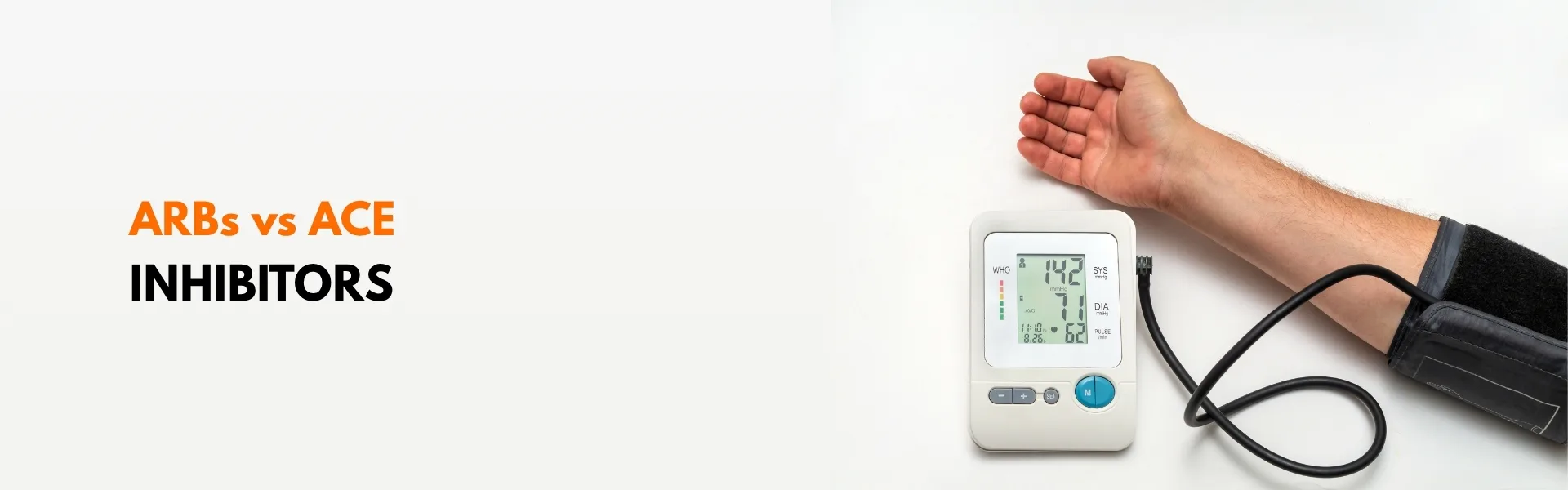
ARBs versus ACE Inhibitors
They form a major class of antihypertensive drugs.
They work by lowering the action of the hormone angiotensin 2.
These are the drugs that treat –
- High blood pressure
- Heart failure
- Kidney disorders
Angiotensin II Receptor Blockers-
Angiotensin 2 is a hormone. It narrows the blood vessels.
Angiotensin 2 blocker stops the binding of angiotensin- 2 to the receptors.
It stops the working of Angiotensin II.
It relaxes blood vessels. This widens the veins/arteries.
It reduces strain on the heart and kidneys.
Angiotensin-converting enzyme inhibitor –
These drugs block the enzyme forming angiotensin -2.
It stops the formation of the angiotensin hormone.
It inhibits the hormone that constricts the blood vessels.
It also reduces the release of aldosterone and thus increases salt excretion from the kidneys.
It reduces fluid volume in the body.
Which antihypertensive drug causes cough?
ACE inhibitors cause dry cough.
These block the breakdown of bradykinin.
Bradykinin deposits in the lungs.
It causes itching in the throat.
What are the ACE inhibitors’ side effects?
- Dry cough
- Hypotension
- Hyperkalemia
- Tiredness
- Extreme weakness
- Headache /drowsiness
- Mild skin rash
- Altered taste
What are the ARBs side effects?
- High potassium
- Dizziness /Lightheadedness
- Headaches
- Fatigue
- Stomach upset
- Back/joint pain
When does the doctor prescribe ACE inhibitors or ARBs?
ACE inhibitors are the first choice used to control high BP.
If a person shows a persistent cough or swelling in the face or throat.
ACE inhibitors are changed to ARBs.
Do these drugs prevent damage to the heart and kidneys?
Heart protection –
The ARBs and the ACE inhibitors reduce the strain on the heart.
These smooth the blood flow and reduce the extra workload on the heart.
They also reduce the blood volume by excreting extra fluid.
These are widely used after a heart attack, it prevents heart muscles from structural changes.
These are used to manage heart-failure
Kidney protection-
These relax the tiny blood vessels in the kidneys.
It reduces blood pressure.
High blood pressure injures the tiny nephrons.
It reduces the filtration load.
The precautions while using ACE inhibitors or ARBs-
They must be avoided in pregnancy.
Do not take potassium food.
Do not stand up at once; it can cause a fall in BP.
Maintain hydration
The leading contract drug manufacturer-
Aprazer Healthcare is a pharmaceutical manufacturer and exporter.
We are global drug distributors. We export the widest range of antihypertensives to countries in Asia, Africa, and America.
We have the strongest distribution network.
Our antihypertensive product portfolio includes –
ARBs (Angiotensin II Receptor Blockers)-
- Losartan
- Valsartan
- Telmisartan
ACE (Angiotensin-converting enzyme) inhibitor-
- Lisinopril
- Ramipril
Beta blockers – Nebivolol
Alpha–beta blockers – Labetalol
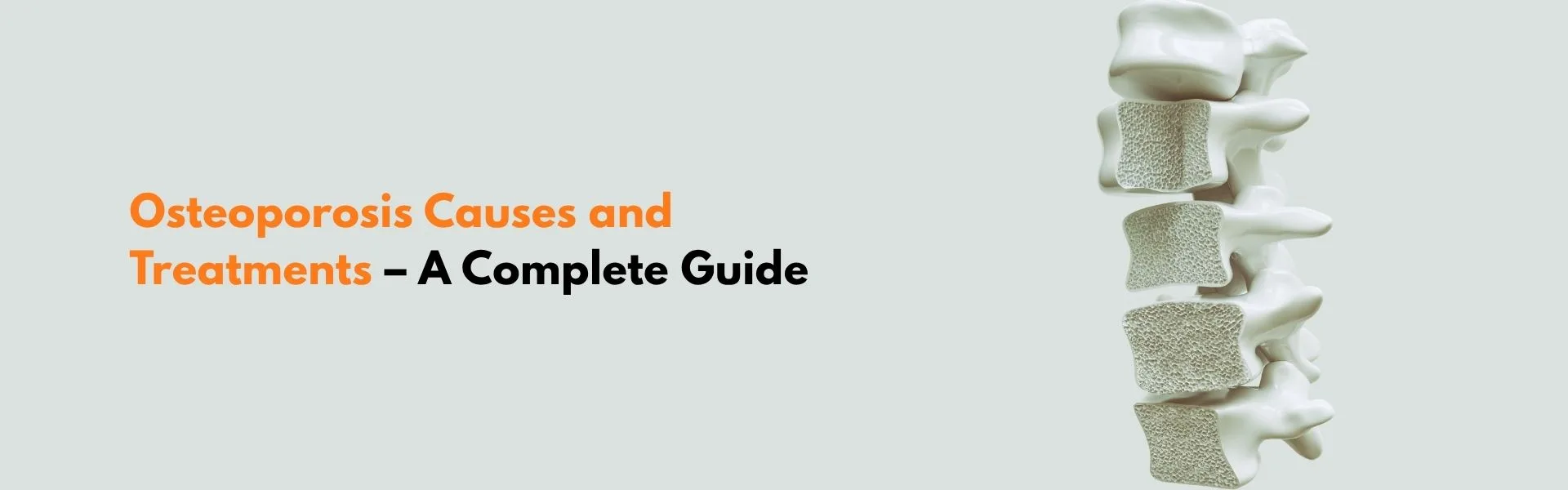
Osteoporosis Causes and Treatments – A Complete Guide
It is a bone disorder. The bones become fragile.
It is a disorder in which bone mineral density or bone mass decreases.
It is a change in bone strength.
It is a silent disorder. The bone loss is not diagnosed until the bone breaks.
The commonly begins in Hips, wrists, and spine.
Are there any symptoms of Osteoporosis?
The bone loss does not cause any symptoms.
It is a sudden fracture in the bone.
The bones gradually lose strength and density.
The warning signs may include-
- Losing an inch of your height
- Posture changes
- Shortness of breath
- Lower back pain
What is osteopenia?
It is a condition in which bone loss occurs gradually.
The bone loss is invisible.
The bone damage is less severe.
If it is not treated, it progresses to osteoporosis.
People who are at the risk of developing Osteoporosis-
Family history-
The risk of osteoporosis increases in people having a family history of bone disorders.
Growing age –
Bone loss naturally occurs with the growing age.
Until the age of 30, the bones are formed.
After the age of 30, the rate of bone degradation exceeds the rate of bone formation.
This leads to bone loss.
Gender – Females have an increased risk of osteoporosis.
It usually occurs in postmenopausal women.
Estrogen levels decline after menopause.
It is a hormone responsible for bone formation.
The reduced hormone declines bone formation.
Chronic disorders – The disease induces inflammation and also impairs absorption.
- Endocrine disorders
- Gastrointestinal disorders
- Autoimmune disease
- Blood disorders
Medication side effects- Certain medicines reduce the absorption of nutrients.
- Proton pump inhibitors
- Glucocorticoids
- Anti-convulsants
- Hormone therapies
Lifestyle factors-
- Smoking tobacco
- Sedentary lifestyle
- Alcohol use
What medicines are used in Osteoporosis?
Osteoporosis can be treated by a balanced approach-
- A healthy, balanced diet
- Active lifestyle
- Using vitamins and mineral supplements
- Hormone therapy
- Bisphosphonates
- Parathyroid hormone
Can calcium preparations improve osteoporosis?
These do not cure the underlying cause of osteoporosis.
They are just added to strengthen the bones and slow down disease progression.
Calcium forms the building blocks of the bones.
These are the external supplements that contain calcium.
- Maintain bone density
- Slow down bone breakdown
- Prevents bone scavenging
- Strengthen the collagen matrix
Why is calcium combined with vitamin D?
Vitamin D is usually given with calcium supplements.
It increases the absorption of calcium.
It increases the absorption of calcium from the intestine into the blood.
Vitamin D also strengthens the muscles.
Are all calcium preparations available over the counter?
The standard calcium preparations like calcium citrate or calcium carbonate are usually available over the counter.
However, specific formulations or high-dose variants need a doctor’s prescription.
The leading contract pharmaceutical manufacturer
Aprazer Healthcare is the top pharmaceutical manufacturer.
Manufacturing global standard products, we export qualified products to countries in Asia, Africa, and America.
We are a third-party Pharma manufacturer for a general range of products.
We manufacture a global range of bone health medicines and supplements.
The product portfolio includes –
- Calcium preparations
- Osteopadicare Products
Migraine is More Than a Headache: Types and Treatment
Migraine is a neurological condition.
It is a severe pain in the head.
It is usually pain on one side of the head.
The attack can last for 4 to 72 hours.
What are the types of migraine?
Migraine with aura – It is a moderate to severe headache.
It includes nausea, vomiting, or smell.
Migraine without aura – It is the sensory disturbances followed by a headache.
It includes flashing lights, zigzag lines, and a blind spot.
Migraine aura without headache –
These are the visual and sensory disturbances in the brain.
Hemiplegic migraine-
It causes temporary motor weakness or paralysis on one side of the body.
Vestibular Migraine: It is an imbalance that causes episodes of severe dizziness and vertigo.
Retinal migraine – It is the temporary changes in one eye.
It leads to vision disturbance in one eye.
Migraine with Brainstem Aura-
It is the head pain that affects the brainstem.
It causes –
Slurred speech, double vision, and ringing in the ears.
What are the causes of migraine?
- A family history of migraines
- Changes in neurotransmitters.
- Abnormal electrical conduction in the brain.
- Incorrect nerve signals.
How does a migraine headache occur? Describe phases.
Migraine is a complex chain of events.
It includes abnormal brain activity, chemical shifts, and nerve signaling.
- Prodrome phase-
These are the early warning signs that occur before a headache.
These occur hours or days before severe pain.
It consists of –
- Frequent yawning
- Food cravings
- Neck stiffness
- Increased urination
- The sensory phase –
This phase lasts for 5 to 60 minutes before the pain.
Shimmering zigzag lines, flashing lights.
Tingling sensation in arms and face.
Slurred speech
- The headache phase-
It is the peak period of the episode.
It lasts from 4 -72 hours (if untreated).
- Pulsating pain
- Extreme sensory sensitivities
- Nausea and vomiting
- Slight movement may aggravate the pain
- Migraine hangover-
It is the phase when the severe pain stops.
It is the recovery phase extending between 24 and 48 hours.
- Extreme weakness
- Brain fog
- Pain on moving the head
What are the symptoms of migraine?
- Throbbing /pulsating headache
- Pain on one side of the head
- Pain behind the eye.
- Stomach upset
- Increased sensitivities
What are the triggers for migraine?
- Changes in hormones
- Overexertion
- Stress
- Sleep changes
- Dehydration
- Specific food /alcohol
- Bright lights
- Strong smell
- Weather changes
How to manage migraines?
It is always advised to avoid the triggers.
Immediate relief steps –
- Turn off the lights
- Avoid sound
- Ice packs on your head or neck
- Drink water
- Small amount of tea
What are the medicines used in migraine?
Acute medication:
It is used when the first signs of pain occur.
These are taken immediately.
- Triptans
- Gepants
- Pain killers
- Ditans
- Anti-nausea drugs
Preventive medications include-
- Monoclonal Antibodies
- Beta-Blockers
- Anticonvulsants
- Antidepressants
- OnabotulinumtoxinA
Which is the contract drug manufacturer?
Aprazer Healthcare is a pharmaceutical company, globally known for quality drug manufacturing.
We are a leading drug exporter from India.
Along with quality manufacturing, we are recognized for transparent communication.
We are capable of large-scale production.
We supply a wide range of products worldwide.
Our export-ready product list comprises –
- Anti-histamines
- Anti-hypertensive combinations
- NSAID combinations
- Anticonvulsants
- Antidepressants
Is Vertigo a Disease or a Symptom?
It is a symptom.
The feeling of spinning or motion is called vertigo.
A person may feel the surroundings are moving.
Vertigo versus Lightheadedness-
Lightheadedness is a feeling when one feels about to faint.
Lose consciousness.
Vertigo is the sense of spinning or swaying movements.
What causes vertigo?
Vertigo is caused by an imbalance in the inner ear or brain.
It can stem from infection or a brain issue.
Vertigo-associated diseases –
Peripheral Vertigo disorders related to the inner ear-
- BPPV:
Crystalline calcium deposits in the inner ear.
It causes revolving sensations.
- Ménière’s disease:
Fluid retention in the ear.
It causes ringing in the ear.
Hearing loss.
- Labyrinthitis:
Infection in the inner ear.
- Acoustic neuroma:
A tumor on the nerve.
Central vertigo disorders related to the brain –
- Vestibular migraine: Recurring dizziness or vertigo due to migraine.
It may be without head pain.
- Stroke or TIA-
It is reduced blood flow to the brainstems/ cerebellum.
- Multiple Sclerosis (MS)-
It is the demyelination of the nerves.
It affects nerve conduction.
What are the symptoms of vertigo?
Vertigo due to ear dysfunction –
- Dizziness
- Hearing loss
- Difficulty focusing eyes
- Loss of balance
- Ringing ears
- Nausea
- vomiting
- Loss of body fluids
Vertigo symptoms due to a problem in the brain-
- Difficulty in swallowing
- Blurred vision
- Double sight
- Slurred speech
- Weakness of limbs
- Facial paralysis
The medicines used in vertigo management-
The medicines used to manage vertigo symptoms.
These provide short-term relief.
They prevent acute attacks.
Antihistamine drugs –
These are widely used in acute vertigo attacks.
These block the histamine receptors and sensory nerve endings.
It reduces the nerve signals and firing.
Anti- nausea drugs – These drugs act upon the vomiting center in the brain.
These control severe nausea and vomiting.
Vestibular suppressants –
Benzodiazepines – They effectively suppress the inner ear activity.
Anticholinergics- These reduce nerve conduction.
The other drugs based on the disease or illness –
Calcium channel antagonists are widely used in vestibular migraines.
L-channel calcium channel antagonists, tricyclic antidepressants, beta-blockers
for vestibular migraines.
Betahistine or diuretics for Ménière’s disease.
How to manage vertigo?
Immediate ways to relieve –
- Lying down
- Closing eyes
- Moving slowly
- Practicing physiotherapy exercises https://aprazerhealthcare.com
Daily prevention habits-
- Getting up slowly
- Sleep with your head elevated
- Maintain hydration
- Reduce stress
Which is the leading contract pharmaceutical manufacturer in India?
Aprazer Healthcare is a top-tier drug manufacturer in India.
We are the leading drug exporters.
WHO-GMP /EU-GMP licensed, we are trusted and accepted globally.
Our product portfolio comprises a comprehensive range of pharmaceutical products.
- Antihistamine products
- Anti-allergic cold combinations
Our regulatory-compliant, quality-efficient products comprise an affordable and reliable medication
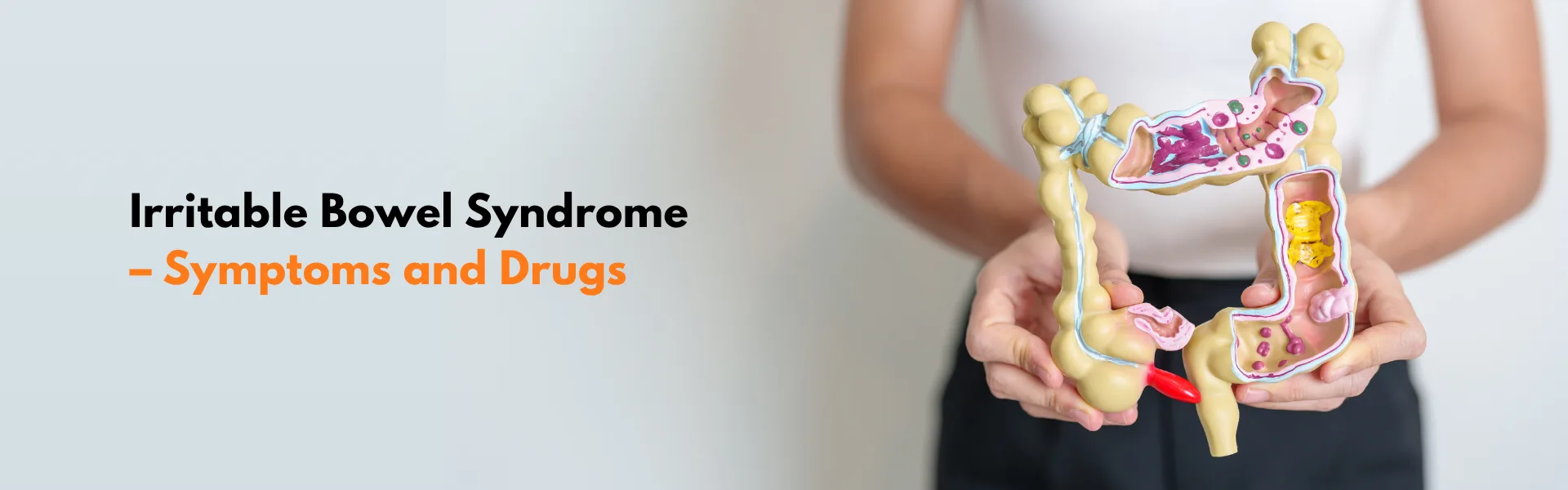
Irritable Bowel Syndrome – Symptoms and Drugs
It is a gastrointestinal disorder.
It affects the large intestine.
It causes recurring symptoms.
- Stomach cramps
- Bloating and gas
Changes in bowel habits –
- Diarrhea
- Constipation
What are the symptoms of IBS?
- Abdominal pain /cramps related to poop.
- Excessive gas /bloating
- Diarrhea/constipation
- Mucus in the poop
- Unable to complete vacate the bowel.
Does IBS comprises diarrhea /constipation?
IBS with diarrhea – It is the condition in which watery loose stool is passed.
It consists of frequent urges.
IBS with constipation – It is characterized by hard and dry stools.
The stool is difficult to pass.
Mixed IBS – It is a condition with mixed symptoms.
It is both diarrhea and constipation.
It is an alternating condition between the two.
Irritable bowel syndrome causes –
It is caused by multiple reasons-
- Muscular contractions –
Stronger contractions cause bloating, gas, and abdominal pain.
Weaker contractions cause slower digestion.
It leads to constipation.
- Gut-brain axis – The imbalance in the gut and brain connection. It changes the gut motility.
- Severe infection – Any infection that changes the gut micro biome. It can cause GIT symptoms like diarrhea and constipation.
- Gut–microbiome changes – Changes in the microbiome in the gut also alter gut functioning.
- Visceral hypersensitivity- The weakening of the nerves in the gut. It also leads to sensitivities.
- Food intolerance – Sensitivities /allergies to some foods can also induce IBS.
- Childhood stress – Any severe trauma, stress, sexual or emotional abuse leads to IBS symptoms.
What are the triggers for IBS?
Periods – The drop in hormone levels triggers the release of cytokines.
It induces IBS symptoms.
Stress – It activates the fight-or-flight response.
It makes the gut oversensitive. It disrupts intestinal functions.
Food – sensitivities to food, spicy, oily food can trigger IBS symptoms.
Managing irritable bowel syndrome-
People with IBS must manage their food habits.
- Low dairy or gas-inducing foods.
- Increase fiber in the diet
- Avoid gluten
- Drink plenty of water
Stress management –
Regular sleep, exercise, and other therapies.
What are the medicines used in IBS?
The IBS treatment consists of symptomatic relief –
Constipation drugs – Laxatives, fiber supplements
Anti-diarrheal drugs – They reduce gut motility.
Antibiotics – These are used for gut infections.
Antispasmodic drugs – These are smooth muscle relaxants. It helps relieve painful spasms.
Neuromodulator – These are the low-dose TCAs that calm down the nerve activity.
Why is Aprazer Healthcare chosen by the global drug exporters?
Aprazer Healthcare is a top-tier pharmaceutical manufacturer.
We manufacture global-quality products for worldwide exports.
Our product portfolio comprises a range of essential medicines.
We are the recognised contract pharma manufacturers for –
- NSAID combinations
- Antispasmodic combinations
- Proton Pump Inhibitor & Gastro-resistant drugs
Hypertension Treatment – A Complete Guide
It can lead to severe complications.
- Heart attacks
- Strokes
- Kidney damage
Symptoms of high blood pressure-
The rare symptoms –
- Headache
- Dizziness
- Bleeding from the nose
- Blurry vision
The Hypertension crisis –
It is BP < 180/120 mm Hg.
It needs immediate medical intervention.
The symptoms include-
- Chest pain
- Shortness of breath
- Confusion
- Weakness
- blurred vision
- Sudden headache
What is dangerously high blood pressure?
A reading above 180/120mm Hg is an emergency condition.
It can directly damage the organs.
What are the types of Hypertension?
High blood pressure –
BP<120-129 mmHg/ 80mm Hg
Stage 1 –BP < 130–139 mm Hg/ 80 mm Hg.
Stage 2- BP <140 mm Hg/90 mm Hg or higher. Hypertensive Crisis- <180 mm Hg/120 mm Hg.
Hypertension Medicines –
- Thiazide diuretics
- ACE inhibitors
- Calcium channel blockers
- Angiotensin 2 blocker
Other medications that are combined to treat high blood pressure
- Alpha blockers
- Alpha and beta blockers
- Beta blocker
- Aldosterone antagonists
- Renin inhibitors
- Vasodilators
- Central-acting agents
What are the main causes of hypertension?
There is no single identifiable cause of hypertension.
- Genetics
- Aging
- Obesity
- High-sodium diet
- Sedentary lifestyle-
About 5% to 15% of cases are due to underlying health conditions.
- Kidney diseases
- Sleep apnea
- Hormonal disorders
- Medications
High blood pressure in pregnancy-
When the blood pressure in pregnancy is higher than 140/90 mmHg.
It is of 3 major types-
- Chronic Hypertension: It is the high blood pressure noted before pregnancy or before the 20th week of pregnancy.
- Gestational Hypertension: High BP after the 20th week of pregnancy.
- Preeclampsia: When high blood pressure starts affecting the kidneys or liver.
Antihypertensive medicines are used in pregnancy –
- Labzer (Labetalol) – It is a beta-blocker safely used to manage high BP in pregnancy.
- Methyldopa – It is a centrally acting drug used for long-term hypertension management.
- Nifedipine – A calcium channel blocker for extended-release BP management.
- Hydralazine-
It is given intravenously in an acute pre-eclampsia emergency.
Anti- hypertensive medications to be avoided in pregnancy-
ACE Inhibitors- lisinopril, benazepril, and captopril
ARBs- candesartan, losartan
Standard Diuretics- hydrochlorothiazide or furosemide
It is important to maintain hydration during hypertension. Why?
It is important to maintain hydration during hypertension.
Dehydration may lead to several complications-
- Increased blood viscosity
- Constricted blood vessels
- Electrolyte imbalance
Antihypertensive drug side effects –
- Dizziness
- Weakness
- Swollen ankles or feet
- Frequent urination
- Cold hands and feet
- Lightheadedness
- Occasional back pain
Do all the antihypertensive drugs cause coughing?
Only the ACE inhibitors cause persistent dry cough.
If it is irritating, one must change the drug combination.
Which is the leading contract pharmaceutical manufacturer for antihypertensive combinations?
Aprazer Healthcare is the top antihypertensive drug manufacturer.
We manufacture a global range of cardiovascular medicines.
Our specialty manufacturing includes-
- WHO-GMP/EU-GMP manufacturing facilities
- Worldwide distribution
- Strong supply chain network
Our specialty product catalogue includes-
- Anti-hypertensive combinations
- Lipid–lowering agents
- Antilipemic Agents Combination & HMG-CoA Reductase Inhibitors (Statins)
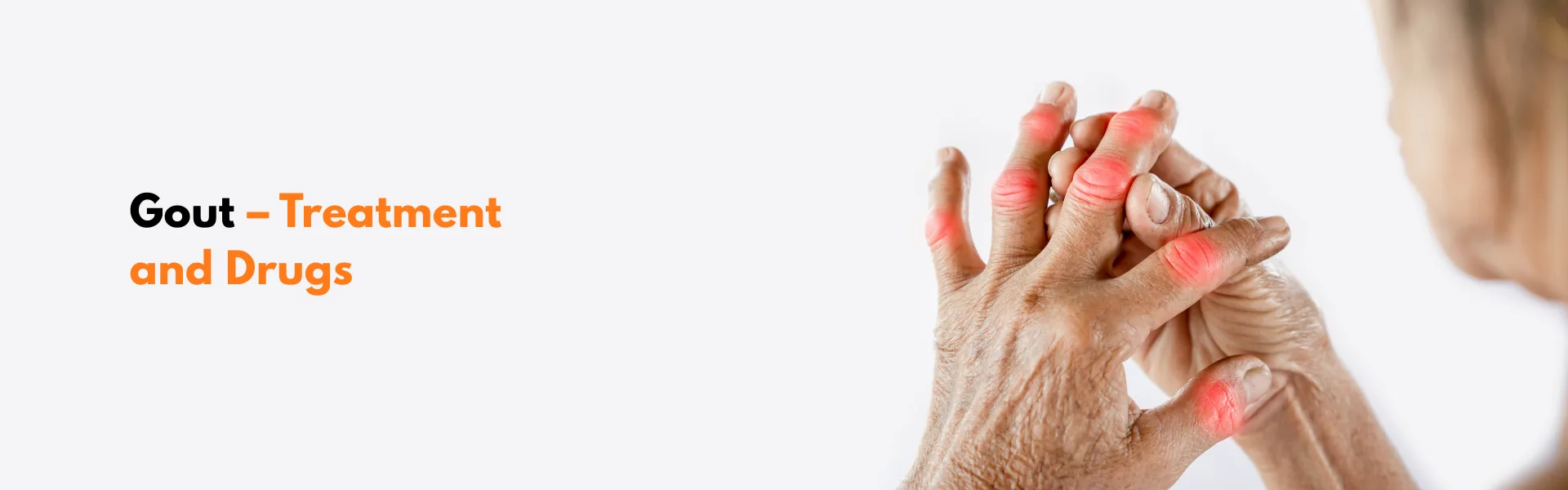
Gout – Treatment and Drugs
It is caused when the body produces excess uric acid.
The kidneys are not able to filter uric acid.
The uric acid forms sharp crystals.
They deposit in the joints.
A sudden pain usually starts in the toe.
What are the higher levels of uric acid?
- 7mg/dl for adult men
- 6mg/dl for adult women
Uric acid levels at 10mg /dl is an emergency condition.
It requires immediate attention.
What are the signs of Gout?
- Sharp pain in the joints
- Warmth or swelling around the joint
- Difficulty in moving the joint.
- The joints get red, puffy, dark, and painful
- Joint stiffness
What are the causes of Gout?
Gout is hyperuricemia. It is a condition due to excessive uric acid buildup in the blood.
It is the extra uric acid production.
It is also caused by reduced renal clearance.
The risk factors include-
Family history – Gout runs in families.
Any close member having gout increases the risk in the family.
Diet – Eating red meat and beverages with excess sugar/fructose increase uric acid levels.
Weight – Obese people make excess uric acid.
The extra uric acid is not excreted from the body.
Chronic disorders- Metabolic disorders like BP, diabetes, etc. increase the risk of gout.
These alter the renal filtration rate.
Older age – Males are likely to develop gout at an age of 30 -40 years.
Females usually develop gout after the age of 60.
The risk increases after menopause.
Surgery or injury – Gout may be caused by physical stress on the kidneys.
Dehydration or blood loss causes volume depletion.
It causes hypoxia in the cells, leading to cell death.
Kidney disorders – Any damage or impaired kidney function may increase the risk of high uric acid.
What are the complications of High uric acid?
- Recurrent gout- Gout precipitates several times in a year.
- Kidney stones – The recurrent gout may lead to the formation of kidney stones.
- Severe arthritis – It can trigger the arthritis /joint pain or inflammation.
- Tophi formation – The uric acid crystals may deposit under the skin.
- Frequent joint stiffness and pain– The crystals deposit in the joints, causing joint pain and inflammation.
How to manage uric acid?
Lifestyle changes –
- Keep the weight in balance
- Exercises without overexertion
- Manage stress levels
- Reduce caffeine and alcohol consumption
Medications –
Drugs to lower uric acid-
Allopurinol- It blocks the enzyme xanthine oxidase.
It inhibits the secretion of uric acid.
Febuxostat- It is given to inhibit the secretion of uric acid.
It is given as an alternative to allopurinol.
Pain-relieving drugs-
These are used to relieve acute gout attacks.
These inhibit the pain and inflammation caused
Increasing uric acid excretion –
These stops the uric acid absorption in the kidney.
It aids in uric acid excretion.
- Probenecid
- Benzbromarone
The Pharmaceutical Manufacturer with Global Export
Aprazer Healthcare is the contract drug manufacturer.
We manufacture and export the widest range of drugs worldwide.
Our manufacturing capabilities are WHO-GMP/EU-GMP licensed.
Expanding our portfolio, we manufacture a wide range of generic and branded drugs.
Focused on rheumatology and joint health, our product portfolio comprises-
- Rheumatology medicines manufacturer
- Gout medicines
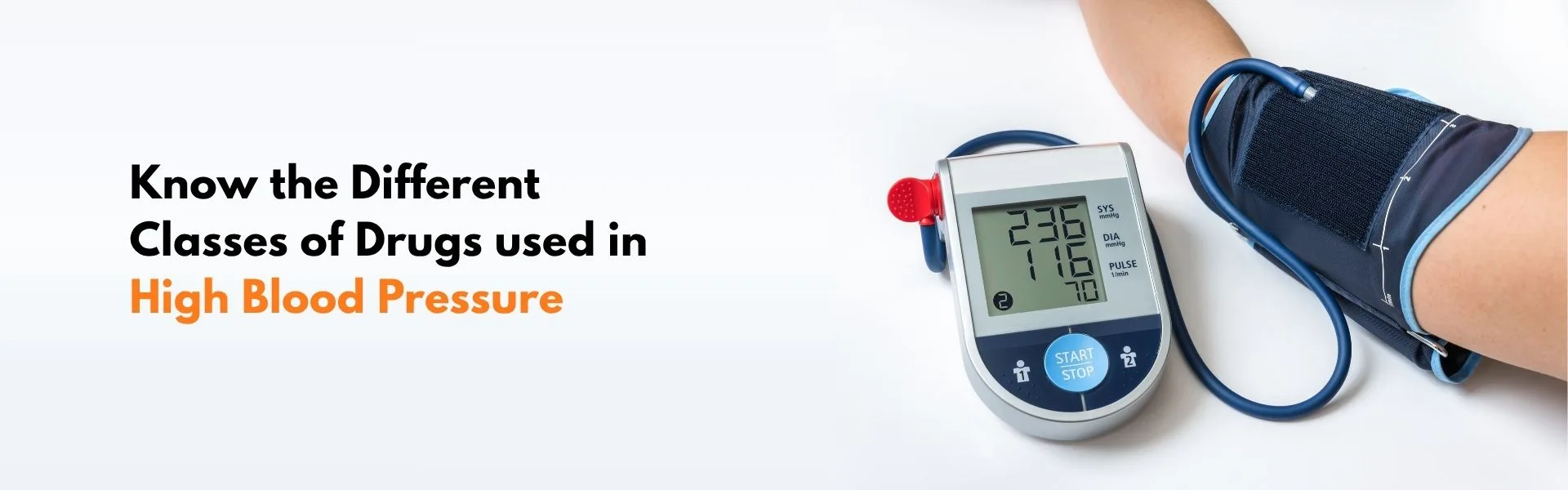
Know the Different Classes of Drugs used in High Blood Pressure
High blood pressure > 120- 129 mm Hg / 80 mm Hg.
Hypertension > Above 130 mm Hg/89 mm Hg.
High blood pressure elevates cardiovascular risk.
Complications caused by high blood pressure-
When blood flows with high pressure through the arteries.
It increases strain on the blood vessels and the vital organs.
- Heart complications –
High BP damages and narrows the arteries.
It increases strain on the heart.
- Brain issues-
High pressure may burst the blood vessels.
It stops oxygen from reaching the brain.
- Kidney dysfunction –
High blood pressure strains the blood vessels.
It damages the nephron.
- Vision loss – The small blood vessels in the eye get strained, and it damages the retina.
- Erectile dysfunction: The blood flow to the penis is obstructed. The tiny blood vessels are damaged. It inhibits erection.
The commonly used medications for high blood pressure –
Diuretics –
These are also called water pills.
These manage blood pressure by removing extra salt and fluid from the body.
These increase the urination frequency.
These widen the blood vessels, reducing the pressure.
These eliminate extra body fluid, reducing the blood volume. This helps reduce pressure.
Examples –
- Thiazides – Chlorthiazide
- Loop diuretics – Furosemide
- Potassium- sparing diuretics- Spironolactone
ACE inhibitors –
These inhibit the conversion of angiotensin 1 to angiotensin 2.
The angiotensin 2 constrict the blood vessels.
Blocking this widens the blood vessels.
Angiotensin inhibition also decreases aldosterone release.
Aldosterone increases blood pressure.
Ace inhibitors also reduce fluid volume.
Captopril, Enalapril
Angiotensin-2 receptor blockers (ARBs) –
These inhibit the binding of angiotensin 2 to the receptors.
They effectively block angiotensin 2 effects.
This helps reduce the fluid volume.
It inhibits blood vessel constriction.
Losartan, Valsartan
Calcium channel blocker –
These block the entry of calcium into the heart muscles /blood vessels.
The calcium ions constrict the blood vessels.
Blocking calcium relaxes the blood vessels and the cardiac muscles.
It also reduces the strain and speed of the heart contractions.
Amlodipine, Verapamil
Other drugs used to control BP-
- Beta–blockers –
These work by blocking adrenaline and noradrenaline.
These hormones reduce the heart rate and reduce the force of contraction.
It relaxes blood vessels. This reduces blood pressure.
- Alpha –blockers-
These block the hormone norepinephrine.
Norepinephrine cause vasoconstriction.
Blocking norepinephrine widens the blood vessels.
It lowers the blood pressure.
- Vasodilators-
These widen the blood vessels.
They relax the muscles and ease the pathway of blood.
The Leading Antihypertensive drug manufacturer–
Aprazer Healthcare is the leading drug manufacturer.
We are a trusted contract drug manufacturer from India.
We are the exporter of a large range of pharmaceuticals.
Licensed with WHO-GMP/EU/GMP, we manufacture global quality products.
Our product portfolio comprises –
- Anti-hypertensive combinations
- Nephrology & Diuretics
Schizophrenia – Treatment and Drugs
It is a severe condition that affects people’s behavior and psychology.
A person loses touch with reality.
It is a condition of hallucinations, delusions, and disorientation.
A person remains in an imaginary world.
What can be Schizophrenia symptoms?
False beliefs – The person starts believing things that are not real.
False perceptions – A person starts seeing or hearing imaginary things.
They hear unusual voices. They see people that aren’t real.
Disoriented speech and thinking- The person is not able to organize their thoughts.
The behavior is disoriented. A person may continue to laugh excessively or do repetitive movements.
Negative symptoms – It widely impairs attention or mental functions.
Physical inactivity. Negative thoughts, flat expressions.
Causes of schizophrenia-
Family history and genetics – Any close family member having a disorder may pass it on to the family.
Changes in brain chemicals – It is the changes in the neurotransmitters in the brain.
Changes in brain structure- It is the structural changes in the brain.
Changes in the central nervous system.
Pregnancy issues – It is due to various issues caused during pregnancy. Low birth weight, premature labor, etc.
Childhood trauma- Severe stress during adolescence, neglect from the parents, or any other tragedy may trigger schizophrenia.
Drug use – Using drugs like amphetamine, cannabis that alter brain functions or its working.
How to manage schizophrenia?
Schizophrenia treatment consists of lifelong therapies.
It includes vocational rehabilitation therapies alongside regular medication.
The common age for developing schizophrenia –
It is mostly diagnosed in late teens and early 30s.
During adolescence, changes in hormones increase the risk.
It is not diagnosed in children below 12 years of age.
It is rare above 40 years of age.
Does Schizophrenia affect old age?
It is rare and usually occurs in women during menopause due to some hormonal changes.
What are red flag warnings of developing schizophrenia?
- Pulling away from friends and family.
- Sudden decline in activities and performance.
- Difficulty in showering, brushing teeth.
- Odd behaviors
- Sudden intense fear
- Illogical beliefs
- Blurred reality
- Rapid mood changes
- Flat expression or voice tone
Schizophrenia medicines –
The antipsychotics are widely used in schizophrenia.
These alter the dopamine levels in the brain.
- Atypical antipsychotics –
- Risperidone
- Olanzapine
- Clozapine
- Typical antipsychotics-
- Haloperidol
- Chlorpromazine
- Newer medications –
Xanomeline and trospium chloride
The leading pharmaceutical manufacturer of antipsychotic drugs-
Aprazer Healthcare is the top pharmaceutical company.
Focused on brain health and development, we manufacture a wide range of psychotropic or psychiatric medicines.
Our extensive portfolio includes –
- Neurology Combinations
- Anticonvulsants
Manufacturing our own products, we are also recognized as a leading contract Pharma manufacturer from India.
Our manufacturing facilities, equipped with modern infrastructure, are highly compliant with WHO-GMP manufacturing standards.
Beyond WHO-GMP, our premises are licensed with EU-GMP, offering world-class manufacturing facilities catering to the European markets.