
The Emerging Role of Metformin in Cancer – Its Future Lies in Precision Medicine
Metformin is the commonly used drug for type-2 diabetes.
The diabetic patients using metformin have shown lower incidences of cancer.
It is widely gaining popularity for its repurposed drug effect.
It is not considered or acclaimed as a standard treatment for cancer.
However, it shows a significant effect in people with metabolic issues. Like – insulin resistance.
It can be a targeted tool for precision medicine.
It can be used against a specific type of population or specific tumors.
The role of metformin in diabetes control-
It inhibits glucose synthesis in the liver.
It increases insulin sensitivity.
It improves glucose uptake and utilization.
It reduces glucose absorption in the intestine.
Metformin role in cancer treatment –
Metformin is repurposed in oncology for its potential benefits –
- Lowering cancer risk
- Improved survival rates
It stops the growth signal to the tumor cells.
It inhibits fuel supply to the cancer.
It enhances the T-cell and CD4 + cell activity.
It lowers the spread of cancer cells.
It inhibits protein and lipid synthesis in the tumor.
It inhibits inflammatory kinases.
The metformin use in various cancers-
Breast Cancer – It reduces the risk of hormone-sensitive cancer in diabetic women.
Gastric cancer- It slows down cancer cell proliferation.
Colorectal cancer– It reduced the recurrence of precancerous adenomas.
Liver cancer – It reduces the risk of bile duct cancer.
It reduces the progression of fatty liver to liver cancer.
Ovarian cancer- It reduces the resistance to chemotherapy drugs.
It targets cancerous stem cells.
Pancreatic cancer –It kills the pancreatic cancer cells.
How will metformin be used in cancer treatments in the future?
Metformin is the new hope for cancer patients.
It can be used in people resistant to traditional chemotherapy drugs.
It is an attractive and affordable option for cancer cure in the future.
Bottom line –
It cannot work as a replacement for chemotherapy.
It may be used as an adjuvant therapy in a specific group of patients.
Aprazer Healthcare – Generic Anticancer Drug Manufacturer
Aprazer Healthcare, with its leadership in pharmaceutical drug manufacturing, is the largest drug manufacturer.
With the strongest portfolio in anticancer therapy, Aprazer Healthcare manufactures a comprehensive range of generic anti-cancer medicines.
We possess world-class infrastructure supporting R&D.
We continue to invest in advanced drug development and discovery.

Why is Cancer Awareness Important?
Knowing cancer causes or symptoms can dramatically change the patient outcomes.
It reduces mortality rates and severe complications.
Cancer symptoms are silent. They are often missed.
A single symptom may not assure cancer.
A tumor or cancer may not be painful.
Understanding cancer becomes crucial.
Knowing cancer at the earliest stage saves lives. It improves life quality.
It reduces the progression of the disease.
It reduces the treatment cost.
Early cancer diagnosis can change patient outcomes –
The stage of cancer plays an important role in treatment and prognosis.
90 percent of cancers are curable when detected at the first stage.
At stages 3 and 4, the survival chances are much reduced.
The advanced cancer stages incur high treatment costs –
The disease progresses. It requires advanced treatment methods.
It incurs inadvertent cost. There is no single therapy for cancer.
It requires multiple treatments and supportive therapies.
Due to the advanced stage, the treatment goes longer.
It requires prolonged intensive therapies and expensive medication.
Aprazer Healthcare – Innovating the Affordable Cancer Care
Aprazer Healthcare is an Indian pharmaceutical company.
With world-class infrastructure, Aprazer Healthcare continues to invest in research and drug development.
We are focused on developing advanced cancer medicines that are affordable and accessible.
We manufacture drugs in all therapeutic segments.
We are recognized as a trusted pharmaceutical manufacturer from India.
Early signs of cancer that must not be ignored-
Any persistence or unusual change in the body must not be overlooked.
Any symptom that persists for longer may turn out to be chronic and later on become cancer.
If treated earlier, it can be prevented from developing cancer.
- Sudden loss of weight
- Weakness
- Lumps and swelling
- Irregular menstrual cycle
- Abnormal bleeding
- Skin changes
- Prolonged cough
- Changes in voice
- Difficulty swallowing
- changes in bowel
Can cancer risk be reduced?
A healthy lifestyle can reduce risk to a great extent.
- Healthy diet
- Limit smoking /alcohol
- Regular exercise
- Preventing infections
- Avoiding pollution and radiation
- Identifying family history of cancer
Conclusion –
It is a reminder –listen to your body.
Cancer is highly curable when detected at the earliest.
With increased awareness, proper treatment of cancer can be cured or managed effectively.

Are You Wondering if Orlistat (Orlikast) is the Right Option for Weight Loss?
Obesity is a rising health threat and a defining modern disease.
In the past, being underweight was a concern.
Countries faced food scarcity.
Today, being overweight is the biggest challenge.
The easy availability and lowered cost of junk food have led to an over reliance on processed food.
Obesity is not confined to a sedentary life or adults.
The children also suffer from being obese.
The obesity rates have doubled in recent years.
It is not only the excessive body mass.
It creates a severe imbalance in the entire body’s functioning.
It is the driver for several health complications.
High BP, high cholesterol, type -2 diabetes, etc.
What is Orlistat (Orlikast)?
It is a weight loss drug.
Orlikast is manufactured by Aprazer Healthcare.
Available worldwide, it is used as an anti-obesity drug.
Aprazer Healthcare is a pharmaceutical manufacturer.
We manufacture a general range of medicines and life-saving treatment drugs.
We are a trusted drug exporter from India.
We are known for our diverse oncology product portfolio.
We supply a complete range of pharmaceuticals worldwide.
Will orlistat (Orlikast) help reduce my weight? How?
It inhibits the enzyme lipase.
It blocks the breakdown of fats from the food.
It reduces fat absorption.
The indigestible fat moves out of the body through the feces.
Why should I use Orlistat (orlikast)? Benefits
It does not act on the brain or suppress the appetite.
It is not absorbed into the bloodstream.
It acts locally in the GIT and is excreted with undigested fat.
It does not stimulate the CNS.
It does not cause –
- rapid heartbeat, jitter, or insomnia
Can I lose weight fast with Orlistat (Orlikast)?
Orlistat efficacy maximizes when combined with –
A low-fat diet and regular exercise
Plan your diet with lesser fat value.
Do not get into complete starvation.
It may be dangerous.
Avoid medicine without meals.
Take it with a meal.
Use within 1 hour after a meal.
Take health supplements with an hour gap from Orlistat.
Does Orlistat (Orlikast) cause any major side effects?
It can cause side effects locally in the GIT.
Very rarely, it causes severe side effects.
- fatty, oily stool
- Oil spotting
- Passing gas with oil discharge
- Increased bowel
- Stomach pain
It reduces the absorption of vital nutrients.
It also lowers the absorption of other medicines.
Who all should not use Orlistat (Orlikast)?
- Pregnant women
- People with bile disorders
- Malabsorption
- Organ transplant
- Allergy to the drug
Can I take Orlistat (Orlikast) on my own? Is it safe?
Orlistat is a prescription medicine.
Take, after the doctor’s consultation.
However, lower doses of orlistat 60mg are available over the counter.
Conclusion –
Weight loss is achievable with Aprazer’s trusted solutions.
Combined with exercise and low-calorie meals, Orlistat (orlikast) produces visible results in a few weeks.
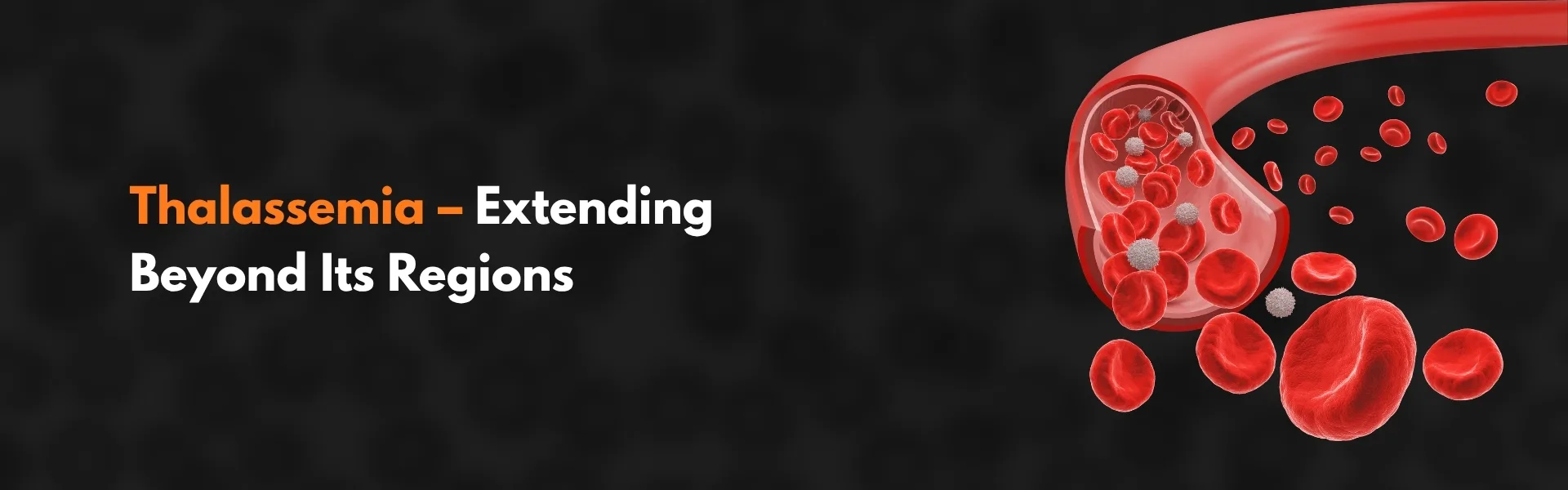
Thalassemia – Extending Beyond Its Regions
Thalassemia, known to be rare and inherited.
The number of cases is rapidly rising globally.
The countries of the Middle East, Southeast Asia, and the Mediterranean are called the “thalassemia belt”.
India, Thailand, etc., have the highest prevalence.
Europe and America no longer remain behind due to global migration and genetic exchange.
What is Thalassemia?
It is a disorder of the blood.
In this, the body declines to produce hemoglobin.
What are the causes of the rise in Thalassemia?
Inheritance of the defective gene-
It is the inheritance of a defective gene from the parents.
Genetic mutation –
It is in regions of malaria prevalence.
The gene gets mutated. It is a natural occurrence to prevent malaria.
Migration –
The migration to new places has led to the transfer of genetic factors.
Internal family marriages –
The culture of marrying close family members.
Both parents have similar genes.
The Rapidly Rising Thalassemia Can Be Curbed Through Informed Decisions
Genetic counseling and understanding the family history help identify new cases.
Thalassemia is an inherited disorder. The severity of the disease can be identified by genetic testing of the fetus.
Parents can make an informed decision about pregnancy-
- Use other methods through IVF
- It helps with early treatment
Aprazer Healthcare – Making Healthcare Accessible, Affordable, and Informed
Aprazer Healthcare is a top pharmaceutical manufacturer/exporter.
We manufacture the widest range of pharmaceutical products for the critical needs.
A complete range of medicines for rare diseases, chronic diseases, blood disorders, and
Supportive therapies for complicated health conditions.
We have a strong global presence in domestic and international markets.
We are a trusted Indian pharmaceutical company with top exports.
The Types of Thalassemia-
- Alpha thalassemia
- Beta thalassemia
Thalassemia symptoms-
It can be asymptomatic.
It can show mild to moderate symptoms.
- Anemia
- Fatigue
- Yellowish skin
- Difficulty in breathing
- Dizziness
- Fast heartbeat
In severe cases –
- Jaundice
- Inhibits growth in children
- Bone defects
- Swelling in the stomach
- delayed puberty
- enlarged spleen
What complications are caused by Thalassemia?
- Iron overload – Due to blood transfusion
- Severe anemia – reduced hemoglobin
- Enlarged spleen – compensatory effect of the body
Treatment for Thalassemia –
- Blood Transfusion –
It is the external administration of blood into the body.
- Iron chelation-
It is the condition in which excess iron is removed through chelation.
- Stem cell therapy-
The faulty blood cells are replaced with the healthy ones.
The new blood cells are produced.
Conclusion –
Though inherited, Thalassemia cases can be reduced through genetic awareness.

The Declining Libido in Young Men
A decline in sexual desire with age is inevitable.
The reduced libido at the age of 30 years in a man is not desirable.
Low sex drive is termed as the hormone testosterone decline.
The hormone degrades by 1 percent every year after the age of 30.
However, libido is believed to rise until the age of 40.
Hormones matter, but they don’t complete the story.
It becomes important to identify the real causes and the complexities leading to sexual dysfunction.
At Aprazer Healthcare (erectile dysfunction medicine manufacturer), we are dedicated to manufacturing effective, reliable solutions to improve sexual functionality.
We manufacture a wide range of sexual dysfunction medicines-
- Erectile dysfunction medicines
- Medicines for premature ejaculation
We are the largest exporters of erectile dysfunction combinations.
We supply ED drugs to all –
- Leading hospitals
- Pharmacies
- community centers
Know why your sex desire is reducing, even at a young age?
Sexual desire is not purely individualistic.
It is influenced by several psychological and environmental factors.
- Overall life satisfaction
- Stress level
- Relationship status
- Health status
How does stress influence your libido?
The long-term stress influences hormones.
It increases the production of cortisol.
In turn, it reduces testosterone formation.
The stress puts the body into survival mode.
It saddens the mood.
It affects both –
Psychological and Physical sexual functioning.
Why does physical inactivity reduce libido?
The lack of physical activity increases body fat.
The excess fat increases testosterone breakdown.
The minimal physical work reduces the blood flow to the pelvis.
It declines energy levels.
An alcohol habit may affect your sex drive. How?
A small amount of alcohol initially improves sexual efficacy.
However, chronic consumption depresses the nervous system.
It slows down blood flow.
It lowers testosterone production.
It damages the nerves and blood vessels, leading to erectile dysfunction.
Other drugs that reduce sex desire-
- Stimulants can constrict blood vessels, leading to ED.
- Sedatives suppress the natural desire.
- Opioids lower testosterone production.
Can a habit of pornography reduce sexual urge?
It replaces the need for intimacy.
It desensitizes the brain (dopamine).
The highly edited visuals cause brain to habituate to novel material.
The person loses desire and satisfaction in natural ways.
The idealized bodies in porn lead to performance anxiety and higher expectations.
The practice of solo masturbation reduces the emotional connect for a partner.
The last but not least is sleep dysfunction-
Sleep balances the body cycle.
It regulates hormones and stress.
Poor sleep drops testosterone levels and reduces blood flow.
It affects both the sexual desire and the physical arousal.
Underlying Medical Conditions –
Various chronic illnesses directly influence sexual functioning.
- Diabetes
- Heart disease
- Thyroid dysfunction
- Depression
They cause hormonal shifts. It decreases blood flow.
Certain medications also suppress hormone secretion.
Conclusion-
The majority of the causes of sexual decline in young people are lifestyle factors.
These can be reversed easily through proper interventions.
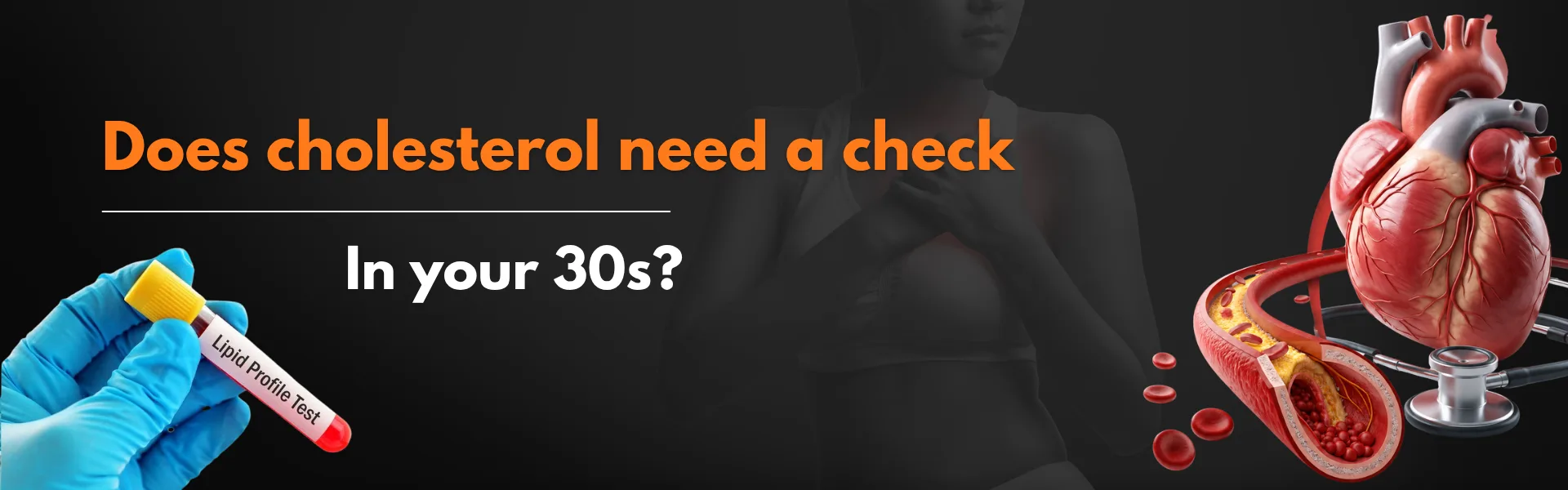
Does Cholesterol Need a Check in Your 30s?
It is the middle age, when plaque starts to deposit in the arteries.
Cholesterol levels must be controlled from the 30s.
High cholesterol levels are a silent killer.
It remains asymptomatic for years.
It shows up in the form of a heart attack or stroke, years later.
Proactive Cardiac Care – Early Statin Therapy
Cholesterol levels (LDL) are directly linked to cardiac health.
The cardiovascular risk is determined based on –
- cholesterol levels
- metabolic dysfunction
- family history
- genetics
- smoking
- Weight, etc.
10-year or elevated 30-year risk factors are evaluated.
The risk factors are classified as low, medium, or high.
The updated guidelines for LDL levels to be targeted-
- Below 100mg/dl –for people at borderline risk
- Below 70mg/dl – for intermediate risk
- Below 55mg /dl – for low-risk people
Prescribing statins in your 30s significantly lowers the risk of cardiovascular issues.
Statins are the first-line therapy due to several benefits –
- Lower cholesterol (LDL) synthesis in the liver.
- Reduce inflammation
- Stabilize existing plaque in the artery walls
- Excellent safety profile
The low LDL levels prevent-
- The accumulation of plaque in the arteries.
- It prevents atherosclerosis.
- It reduces the long-term risk of blockage
- Reduces risk of heart attacks and strokes.
Affordable range of Statins
Aprazer Healthcare is the leading drug manufacturer.
We manufacture a range of generic statins.
- Atorvastatin
- Rosuvastatin
- Simvastatin
Types of anti-cholesterol medicines
- Statins – They inhibit the reductase enzyme in the liver.
It reduces cholesterol formation.
It is a widely prescribed drug.
It is highly safe and effective.
- Cholesterol absorption inhibitors –
Reduce the cholesterol in the small intestine.
It reduces its absorption.
- Injectable medications-
It is injected in conditions of very high cholesterol levels.
It clears the cholesterol from the body.
- Bile acid sequestrants –
It binds to the bile that is excreted.
It increases the utilization of blood cholesterol.
- ACL inhibitors – It lowers LDL formation in the liver.
It is used by people who cannot use statins.
- Fibrates – These lower triglycerides. They increase good cholesterol levels.
- Niacin – A vitamin regulating lipids.
Why get cholesterol levels tested?
Increased cholesterol levels remain asymptomatic.
Annual testing is required for people of all age groups (above 30 years).
Frequent testing is required for –
- Family history of cardiovascular disease
- Existing health conditions
- obesity/smoking
Aprazer Healthcare – Manufacturing Lipid-Lowering Drugs
Aprazer Healthcare, as the drug manufacturer, manufactures a range of cardiovascular drugs.
Our product portfolio consists of –
- Anti-hypertensive drugs
- Lipid-lowering drugs
- Blood thinners
Adhering to the highest manufacturing standards, we are a global drug manufacturer.
We export life saving medicines and affordable generics to countries worldwide.
We are the drug exporters to Africa and Asia.

Mitigating Supply Chain Risk in Pharmaceutical Manufacturing
The supply chain is the flow of APIs, raw materials, packaging materials, and the distribution of finished goods.
The supply chain stakeholders include –
- The raw material suppliers
- Drug manufacturers
- Regulatory agencies
- wholesale distributors
- Pharmacies
Maintaining continuity through the complex system remains challenging.
Aprazer Healthcare ensures End-to-End integrity in pharmaceutical manufacturing
Aprazer Healthcare, as a pharmaceutical drug manufacturer, is a global drug supplier.
Focused on maintaining product integrity, we have an effective supply chain system.
Along with certified GMP facilities, we have dedicated warehousing and cold rooms.
Our supply system is traceable and transparent.
Implementing the advanced technology and maintaining regular audits, we maintained a streamlined flow from API sourcing to distribution of finished goods.
Why is the integrated supply chain important?
The supply chain not only includes product flow.
It involves the procurement of raw material, the flow of information, and funds.
It is responsible for managing product integrity and costs.
Many temperature-sensitive products require temperature-controlled manufacturing and transit.
Interrupted supplies may lead to –
- Reduced production
- Inflation
- Shortage of product
- Product damage
- Inconsistency in quality
- Regulatory issues
- Risk of counterfeit medicines
- Harms the reputation
Challenges in supply chain management-
The supply may get interrupted due to –
- Geopolitical issues –
It includes conditions like war or a discrepancy between the countries.
- Natural disasters – Earthquakes or natural calamities that destroy ports or the supply channels.
- Poor visibility and traceability- As the supply chain involves a multi-tier network.
The lack of a unified tracking system leads to unchecked interruptions.
- Fragmented global standards –
Different practices of distribution and regulatory norms in different countries hinder the global supply.
- Cold chain supply and stability
The products requiring sterility and controlled temperature require proper storage and transport.
- Overstocking – the stocking of the product in conditions of a pandemic leads to reduced production and a shortage in the market.
- availability of counterfeit drugs –
The counterfeit drugs of low quality disrupt the supply and distribution of authentic drugs.
- Limited sourcing – the raw material or the API is usually supplied from China or India, creating high dependency.
The ways to maintain a resilient supply chain-
Multi-channel sourcing –
Relying on a single country or source, it becomes important to opt for multiple channels.
Finding out domestic sources or from different places.
Predictive analytics-
Using AI or blockchain methods can ensure traceability.
It helps maintain transparency.
It allows tracking shipments and inventory management.
The machine learning system helps predict demand.
Intact cold-chain supply system –
Temperature controls for sensitive drugs.
Use Data Lodger and real-time temperature monitors for tracking the temperature.
Refrigerator truck, cold room storage.
Using IoT sensors, which report any deviation.
It helps in timely action and management.
Preventing counterfeit medicines-
The risk of counterfeit drugs can be mitigated by –
- Using barcodes
- serialization
- QR codes
- holograms
- tamper-evident packaging
It ensures the authenticity and originality of the products.
It prevents its misuse or duplication.
It enhances product security.
Just –in- time inventory approach –
Using AI and predictive analytics helps forecast the demand for drugs.
It is a condition in which drugs are produced only when they are needed.
- It prevents overstocking of the drugs.
- It eliminates storage cost and product cost.
Using the advanced methods to trace and monitor the supply chain helps build a resilient distribution network.
- It increases visibility and traceability.
- It helps mitigate risk in advance.
- Reduces the cost and enhances quality.
- It leads to effective management.
Aprazer Healthcare as a pharmaceutical manufacturer, supplies drugs globally.
We manufacture a comprehensive range of pharmaceuticals, including injectables and orals.
Maintaining an efficient supply chain, we are committed to manufacture standard quality products.
Know how stress and lack of sleep accelerate HIV progression?
Immunity is the targeted point of attack by HIV.
The advanced anti-retroviral drugs successfully suppress the viral load.
Despite the controlled viral load through anti-retroviral therapy, the lack of sleep and chronic stress accelerate the HIV progression.
At Aprazer Healthcare (HIV medicine manufacturer), we believe HIV management extends beyond viral suppression.
Patient awareness becomes crucial for holistic wellness.
As the leading pharmaceutical manufacturer, we aim to break the financial constraints, manufacturing an affordable range of generic HIV drugs.
We are the leading drug exporter of HIV drugs from India.
How do sleep deprivation and stress affect immunity in HIV?
Sleep- stress cycle depletes the immune functions.
It double hits the immune system along with HIV.
It leads to neuroendocrine dysregulation.
It increases low-grade inflammation, increasing the burden on the immune system.
The prolonged stress and inflammation lead to cell death.
It reduces the immune cell count.
Manage stress, sleep, and immunity in HIV infection-
Strict adherence to the anti-retroviral therapy is the foundation for HIV treatment.
The best results are achieved when it is combined with targeted
Lifestyle changes-
Managing sleep and stress directly boosts CD4 cell count.
- Limit screen time
- Set a fixed sleep/wake-up schedule
- Stress management exercises
- Physical activity
- Proper diet
- Avoid tobacco
- Limit caffeine near to bed
The trio increases the risk of a heart attack. How?
It overly activates the hypothalamic-pituitary axis.
It causes excessive secretion of inflammatory kinases.
These damage the arterial wall.
It increases the heart rate.
The persistent immune activation increases wear and tear of the blood vessels.
It increases the blood pressure.
It increases the risk of a heart attack caused by oxygen demand – supply imbalances.
The highly prescribed HIV medicines worldwide-
- Abakast L –Abacavir and lamivudine
- Lamipure– Lamivudine
- Lopikast – Lopinavir /ritonavir
- Temirazer- Tenofovir Disoproxil Fumarate, Emtricitabine
- Tudobest L – Tenofovir Disoproxil Fumarate ,Lamivudine
- Tudobest LE- Tenofovir Disoproxil Fumarate, Efavirenz,Lamivudine Tablets
- Virarazer – Tenofovir Disoproxil Fumarate, Emtricitabine ,Efavirenz Tablets
Aprazer Healthcare – Leading the fight against HIV with affordable solutions
How Important is WHO-GMP for Patient Safety?
It is the fundamental quality testing.
It is used globally by the pharmaceutical manufacturers to ensure patient safety and quality.
It’s the global health standard. It is accepted worldwide.
What is WHO-GMP certification?
It is the World Health Organization – Good Manufacturing Practices
WHO –GMP certification of the pharmaceutical manufacturing company, ensures its reliability.
It assures that the drugs manufactured are of-
- Standard quality
- Safe to use
- Effective and accurate dose
It confirms that the manufacturing unit follows strict quality and safety protocols.
How is WHO-GMP different from normal quality testing?
WHO -GMP qualifies and tests the entire manufacturing process.
It ensures the quality from the raw material to the final product.
It is a good manufacturing practice to be followed by the drug manufacturers.
It assures patient safety, quality, and reliability.
The normal testing assures the final product quality.
WHO- GMP adherence ensures the product manufactured is safe.
It follows a stringent process of formation.
Even without testing it ensure safe and effective preparations.
How WHO- GMP ensure medicine quality and safety?
WHO guidelines indicate a proactive strategy to mitigate potential risk and errors.
Strict Hygiene Protocols-
WHO –GMP lays strict guidelines to ensure sterile and safe products.
It lays out cleaning processes of the equipment and the manufacturing areas.
It implements the use of a controlled environment with particulate control. It prevents microbial contamination.
- Using air filters (HEPA)
- Positive air pressures
- Unidirectional air flow
- using sanitizable surfaces
Batch to Batch Consistency –
WHO recommends a standard procedure for manufacturing different batches.
It ensures consistent quality and dose accuracy between the two batches.
Purity and stability of the medicines –
It suggests raw material testing, stability studies to ensure shelf–life.
Traceability and Accountability-
WHO recommends maintaining comprehensive documentation from the procurement of the raw material to the launch of the product in the market.
It includes –
- Manufacturing protocols
- Packaging protocols
- Equipment logs
- Calibration records
- Batch distribution records
- Transportation logs
- Storage records
Aprazer Healthcare’s Commitment to WHO–GMP Standards
Aprazer Healthcare is the top pharmaceutical manufacturing company.
We are focused on manufacturing global quality products.
We have WHO-GMP certified manufacturing facilities.
With strict adherence to the quality standards, we are focused on manufacturing safe and effective medicines.
Using high-quality API and robust quality controls, Aprazer Healthcare is a global name in manufacturing top-quality pharmaceutical products.
Our group of trained professionals ensures precision and care at every step of the manufacturing process.

Life after Cancer Treatment – Managing Side Effects
Cancer treatment does not promise complete remission.
It often comes with several doubts in the mind.
How to have a quality life after cancer treatment?
How long do the side effects remain?
Will this cancer recur?
Life after cancer is more than a physical treatment.
It significantly affects both mental and emotional well-being.
It is a second chance at a new life.
The physical challenges after cancer treatment –
The post-treatment cancer recovery is a long-term journey.
It involves a complex healing process.
Some days feel like fatigue is gone, but it returns on other days.
The effects caused by cancer treatment include –
- Persistent fatigue
- Nerve pain and numbness
- Weight changes
- Scarring or loss of body parts
- Swelling in arms or legs
- skin changes
- pain and mobility issues
Management tips to boost physical recovery after cancer treatment-
Pain and fatigue can be maintained through various restoration processes-
- physiotherapy
- yoga
- exercise
- Antioxidant rich diet
- Compression therapy. It reduces swelling.
Reconstructive surgeries for lost body parts.
Resistant exercises to maintain muscle mass.
The emotional challenges after cancer treatment –
Adjusting to a new normal is never a linear process.
Loss of identity or body part often leads to social distress.
Loss of hair, changes in body weight can lead to low self –esteem.
Feeling disrupted from the social circle.
Fear of recurrence.
Chemo brain is one of the ignored effects.
- Memory loss
- Mental fog
- Reduced focus
- Difficulty in multitasking
The management for emotional health includes –
- Counselling sessions
- practice mindfulness
- Complete one task at a time
- Meditation
- brain exercises
- using memory aids
Rebuilding health with a holistic wellness plan –
It is important to focus on oneself.
Know your body. Complete heavy tasks at the peak energy times.
Maintaining a strong routine becomes essential, which includes –
- Everyday exercise
- Hydration
- Stress management
- Healthy diet
- Healthy relationship
Aprazer Healthcare – Innovating Targeted Therapy Medicines
As an oncology medicine manufacturer, Aprazer Healthcare manufactures advanced anticancer drugs.
We manufacture a wide variety of targeted therapy medicines that offer fewer side effects.
Leveraging cutting-edge technology, we manufacture innovative anticancer formulations –
- Chemotherapy medicines
- Targeted therapy medicines
- Hormonal therapy medicines